
HEALTH & LIFE SCIENCES

Study Occupational Therapy Overseas

Explore occupational therapy degrees, study pathways and university options
in the UK and Australia.

Occupational therapy support with meal preparation using an adaptive utensil.

What is Occupational Therapy?

Occupational therapy helps people of all ages take part in everyday activities that matter to them, such as looking after themselves, studying, working and enjoying leisure activities. Occupational therapists help people develop skills, adapt tasks and use practical equipment or changes to their surroundings to support independence, wellbeing and participation in daily life.

What Will You Study?

Human Body & Mind

Explore anatomy, human development and psychology to understand how physical health, thinking and emotions affect everyday activities.

Everyday Activities & Participation

Learn how activities such as self-care, study, work and play support health, identity and wellbeing throughout life.

Assessment & Practical Support

Discover how to assess daily living challenges and plan support through skill development, adapted activities, assistive equipment and changes to the environment.

Supervised Practice Placements

Apply your learning in practice settings, developing communication, assessment and professional skills while supporting people with different needs.

These are typical study areas. Subjects and placement arrangements vary by university and programme.

Entry Requirements & Study Pathways

Your entry pathway depends on your academic qualifications, subject background and the requirements of your chosen university.

Your Qualification Possible Study Pathway
Singapore O Levels A suitable foundation or diploma pathway may lead towards an occupational therapy degree where progression is specifically available and the required grades and other conditions are met.
Singapore A Levels / IB Diploma You may be eligible for direct entry into an occupational therapy degree, depending on your grades, subject background and the university’s entry requirements.
Polytechnic Diploma Your application will be assessed against the university’s requirements, including your diploma discipline and GPA. Any credit or advanced entry is assessed separately and is not automatic.
Bachelor’s Degree Selected universities offer graduate-entry or pre-registration occupational therapy master’s programmes. Eligibility depends on your previous degree, grades and any required prerequisite subjects.

Additional Admission Requirements

Depending on the university and programme, you may need specific prerequisite subjects, evidence of English language proficiency and an interview. Health screening, vaccinations and background checks may also be required before practice placements.

Featured Universities

Explore occupational therapy degree options at selected universities in the United Kingdom and Australia.

United Kingdom

Glasgow Caledonian University campus

Glasgow Caledonian University

BSc (Hons) Occupational Therapy

Develop occupational therapy knowledge and practical skills to help people participate in meaningful everyday activities.
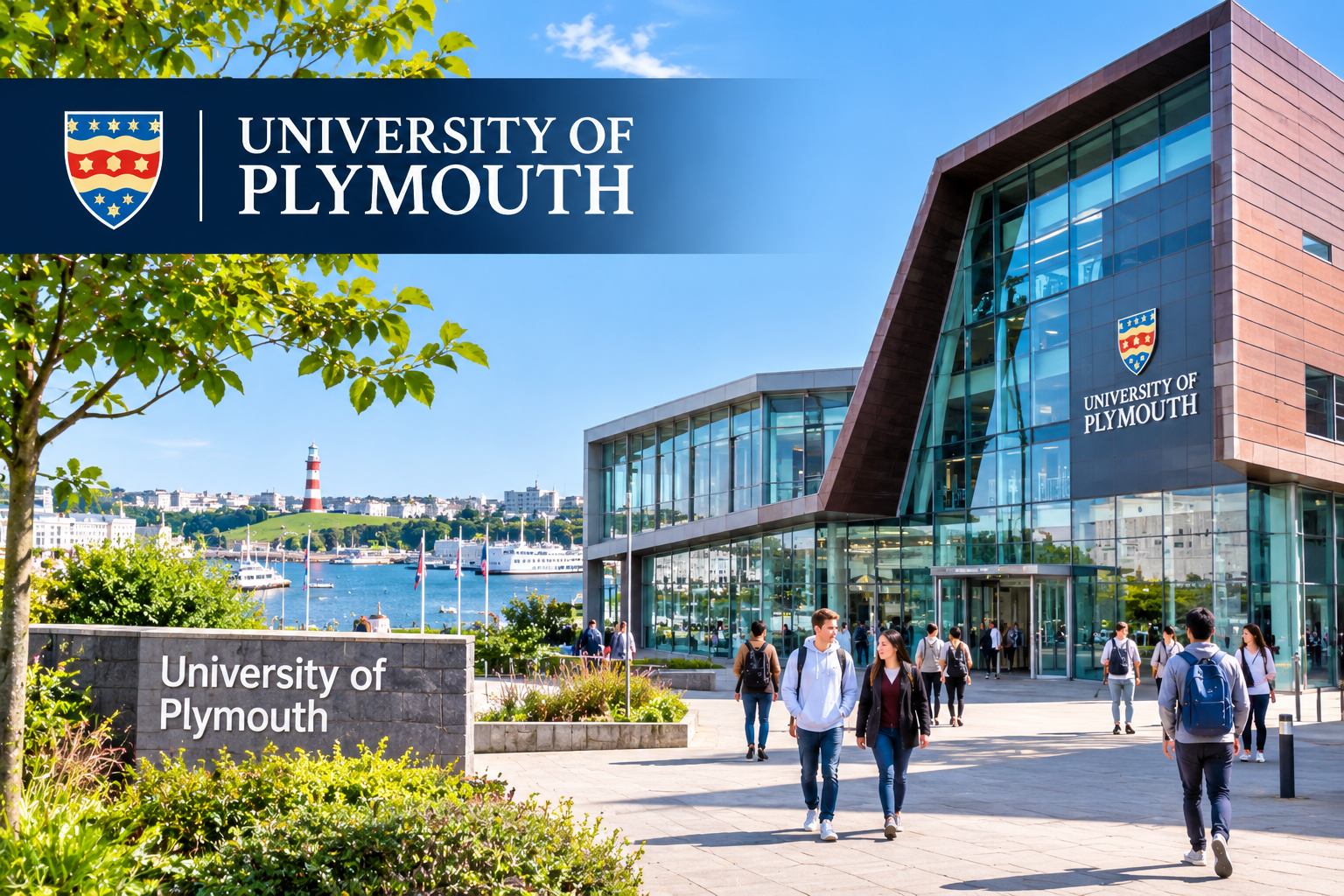
Illustration of the University of Plymouth coastal campus

University of Plymouth

BSc (Hons) Occupational Therapy

Explore how everyday activities support health and wellbeing, with practical learning and placements in a range of settings.

Australia
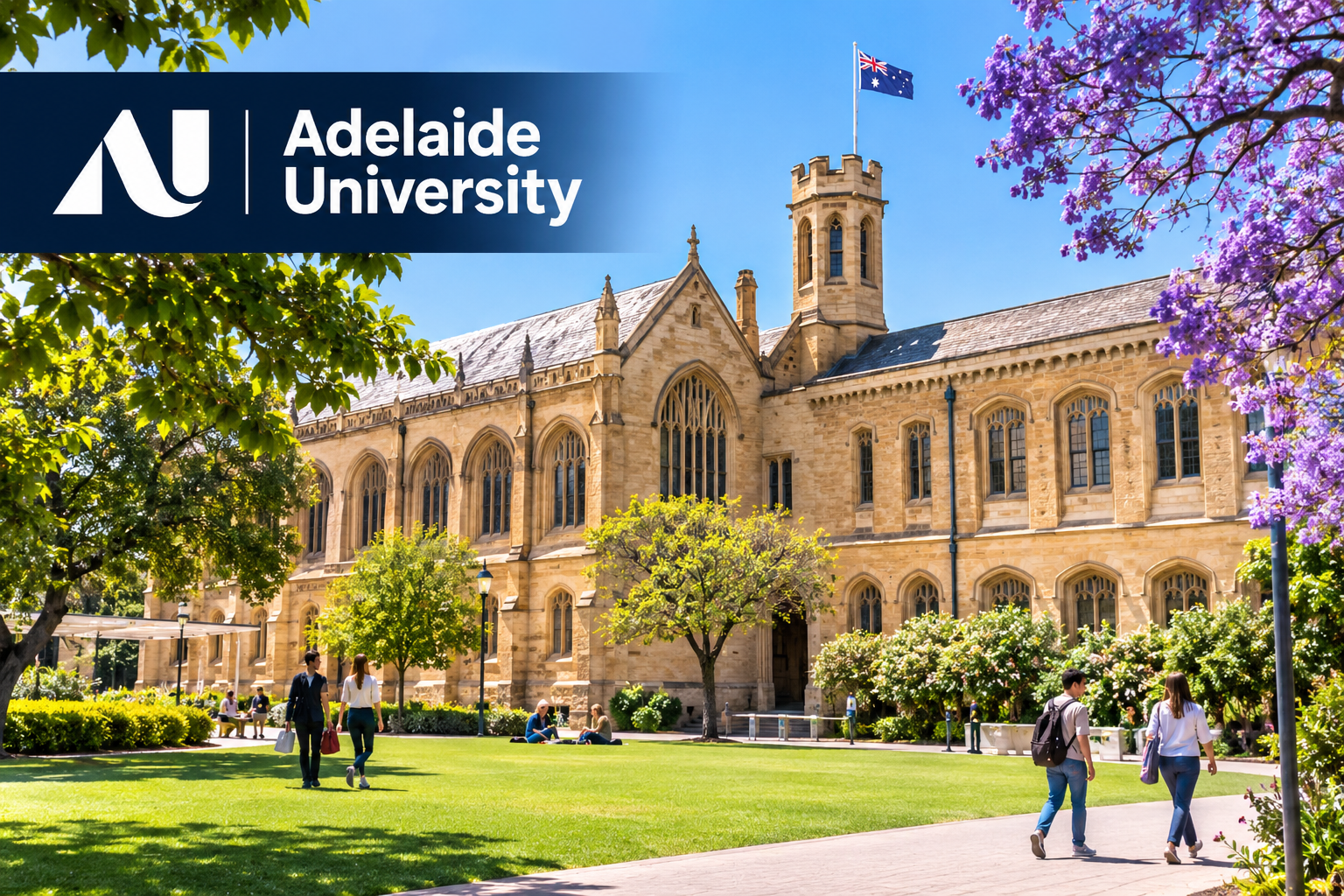
Illustration of an Adelaide University campus scene

Adelaide University

Bachelor of Occupational Therapy (Honours)

Build occupational therapy knowledge and practical skills to support people’s independence and participation in daily life.

Curtin University campus

Curtin University

Bachelor of Science (Occupational Therapy) (Honours)

Learn how physical, psychological and environmental factors affect daily activities, supported by practical learning and fieldwork.

Looking for Other University Options?

We can help you explore additional occupational therapy programmes based on your qualifications, preferences and study goals.


Explore More Universities →

Professional Recognition in Singapore

If you plan to work in Singapore as an occupational therapist, check the Allied Health Professions Council’s (AHPC) qualification and registration requirements before choosing your course.

AHPC-Recognised Qualifications

Before applying, check the exact qualification title and awarding institution against AHPC’s current list of recognised occupational therapy qualifications. If the course title or university name differs from the list, seek clarification from AHPC before enrolling.

Having a recognised qualification does not automatically allow graduates to practise in Singapore. Graduates must meet AHPC’s prevailing registration requirements and hold a valid Practising Certificate before practising.

View Official AHPC Recognition List ↗

Career Opportunities

Occupational therapists work across health, education and community services, helping people participate in daily activities and live more independently.

Hospital & Rehabilitation Services

Help people recovering from illness, injury or surgery rebuild daily living skills, use adaptive equipment and prepare for a safe return home.

Children & Education Services

Support children and young people with activities such as play, self-care and learning, working with families and educators to encourage participation.

Mental Health Services

Help people experiencing mental health difficulties develop daily routines, build confidence and take part in meaningful work, leisure and community activities.

Community & Independent Living

Support older adults and people with disabilities or long-term conditions through daily living strategies, assistive equipment and adaptations at home.

These are examples of occupational therapy work areas. Professional registration and employment requirements vary by country, and some roles require additional experience or training.

Let’s plan your next step

Tell us about your qualifications and occupational therapy study goals.


Enquire about studying occupational therapy. →

Entry requirements and available pathways vary by institution and course.