HEALTH & LIFE SCIENCES
Study Prosthetics and Orthotics Overseas
Explore prosthetics and orthotics degrees, study pathways and university options in the UK and Australia.
What is Prosthetics and Orthotics?
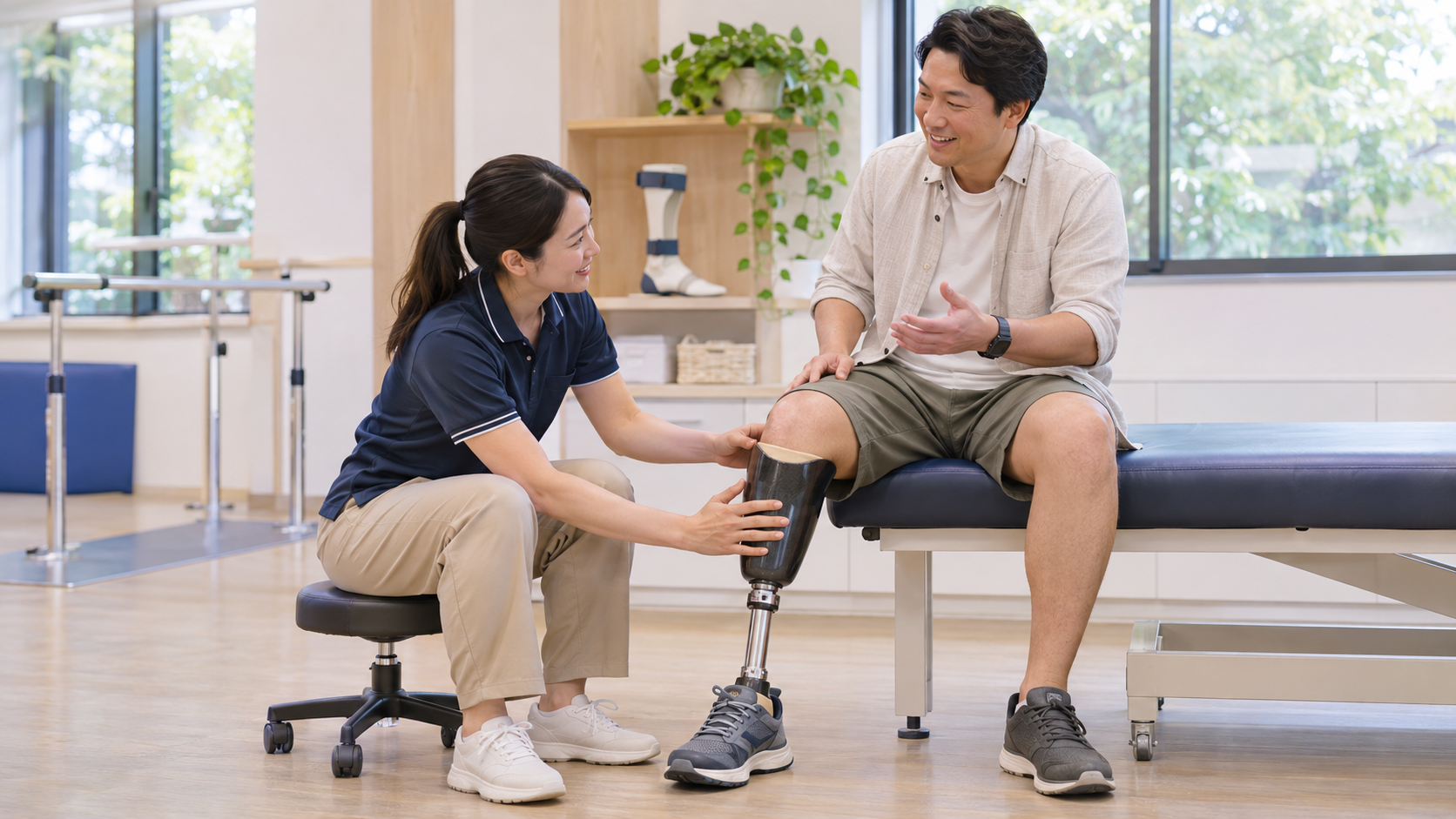
Prosthetics and orthotics combines healthcare, engineering and design to help people improve movement, function and independence. Practitioners assess individual needs and design, fit and review devices that replace missing limbs or support parts of the body.
Prosthetics focuses on artificial limbs, known as prostheses, for people who were born without a limb or have had an amputation. Prosthetists work with each person to select suitable components, create a comfortable fit and make adjustments that support their daily activities, work and recreational goals.
Orthotics focuses on external devices, known as orthoses, such as braces, splints and supports for the limbs or spine. Orthotists work with people who have a range of neurological, muscular or skeletal conditions, providing devices to support alignment, protect joints, manage movement or improve function.
Both professions involve direct patient care, knowledge of anatomy and biomechanics, and practical skills in materials and manufacturing. Prosthetists and orthotists work with people of different ages and collaborate with doctors, physiotherapists, occupational therapists and other professionals. Ongoing reviews help ensure devices remain suitable as a person’s needs change.
What Will You Study?
Human Anatomy & Biomechanics
Study the structure and function of the human body, including the limbs, spine, muscles and nervous system. Explore how forces affect the body and analyse movement and walking patterns to understand how prosthetic and orthotic devices can support function.
Prosthetic & Orthotic Care
Learn how to assess people who need artificial limbs, braces or other external supports. Develop skills in planning care, selecting suitable devices, checking fit and alignment, and reviewing comfort and function according to each person’s needs and goals.
Materials, Design & Manufacturing
Explore the materials, components and manufacturing methods used to create prostheses and orthoses. Build practical skills in measuring, shaping, making and adapting devices, with opportunities to learn about digital design and manufacturing technologies depending on the programme.
Supervised Clinical Practice
Apply your learning through supervised clinical experience with people who have different mobility and support needs. Develop assessment, fitting and communication skills while learning about patient safety, professional responsibilities and working within rehabilitation teams.
These are typical study areas. Subjects, technologies and clinical placement arrangements vary by university and programme.
Entry Requirements & Study Pathways
Your pathway into prosthetics and orthotics depends on your academic qualifications, subject background and the requirements of your chosen university. Check that your intended course provides the professional training needed to enter practice.
| Your Qualification | Possible Study Pathway |
|---|---|
| Singapore O Levels | Further study through A Levels, the IB Diploma or a suitable foundation or diploma programme may help you meet undergraduate entry requirements. Confirm that your chosen pathway is accepted for the specific prosthetics and orthotics degree, including the required subjects and progression grades. |
| Singapore A Levels / IB Diploma | You may be eligible for direct entry into an undergraduate prosthetics and orthotics programme, depending on your grades and subject combination. Check the university’s requirements for science and mathematics subjects, as these vary between programmes. |
| Polytechnic Diploma | Your application will be assessed against the university’s requirements, including your diploma discipline, GPA and relevant subjects. Any credit transfer or advanced entry is assessed separately and is not automatic, particularly where clinical and practical training must be completed. |
| Bachelor’s Degree | Degree holders can enquire about entry into a professional qualifying programme and whether previous study can be recognised. Do not assume that a postgraduate course qualifies you to enter the profession: some master’s programmes are intended for existing practitioners or focus on research and advanced study. |
Additional Admission Requirements
Depending on the university and programme, you may need prerequisite subjects, evidence of English language proficiency, a personal statement or an interview. Health screening, vaccinations and background checks may also be required before clinical placements. Review any published requirements for practical and clinical participation, and discuss support needs with the university before applying.
Featured Universities
Explore prosthetics and orthotics programmes at selected universities in the UK and Australia. Compare academic content, practical training and clinical learning opportunities to find an option that suits your goals.
United Kingdom
University of Strathclyde
BSc (Hons) Prosthetics & Orthotics
Combine healthcare, engineering and practical design with clinical placements to develop skills in assessing patients and providing prosthetic and orthotic care.
University of Salford
BSc (Hons) Prosthetics and Orthotics
Study human biology, biomechanics and device design, supported by practical workshops and clinical placements to build assessment, manufacturing and fitting skills.
Australia
La Trobe University
Bachelor of Prosthetics and Orthotics (Honours)
Develop skills in assessing patients and designing, manufacturing and fitting prostheses and orthoses, combining scientific knowledge with practical and clinical learning.
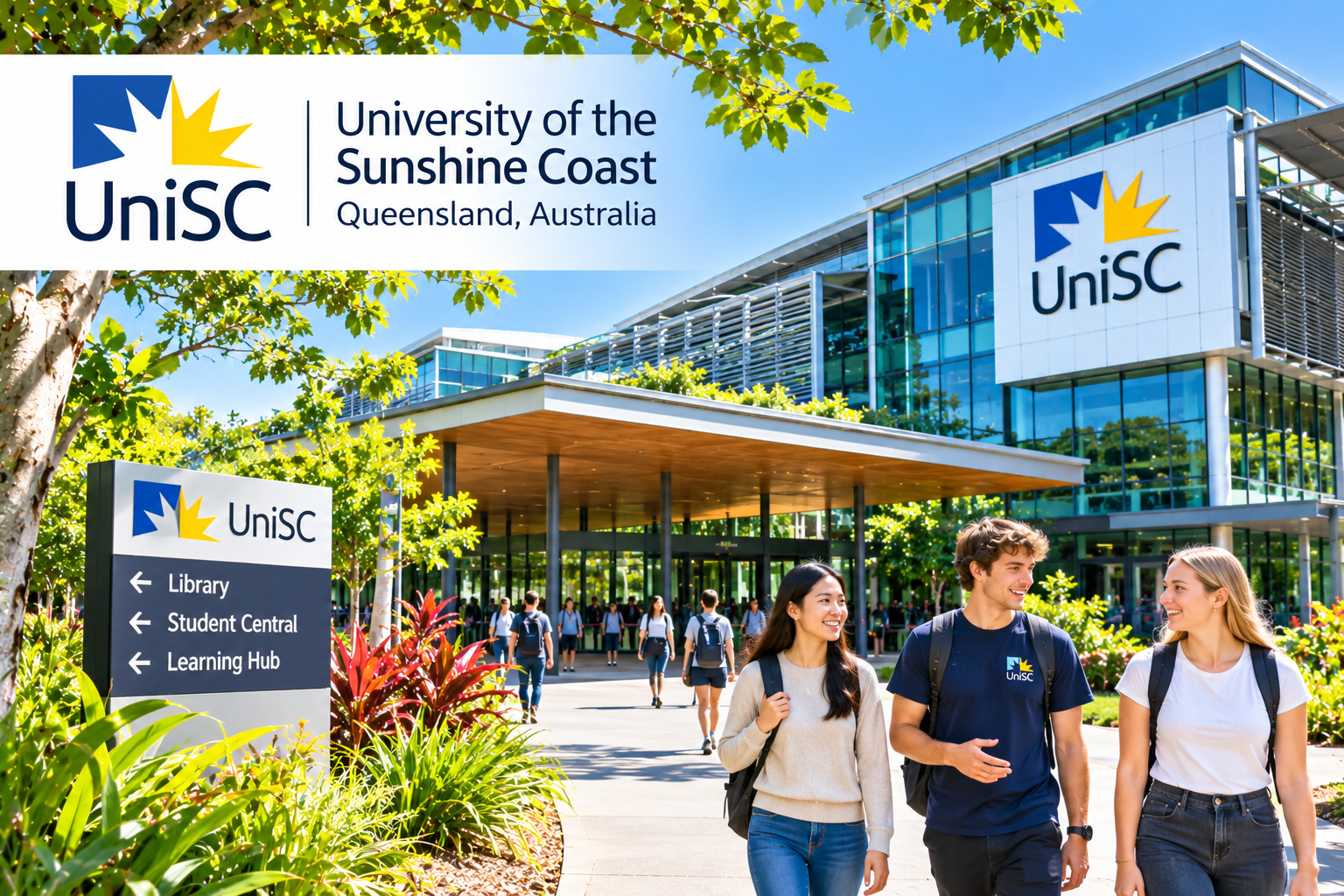
University of the Sunshine Coast
Bachelor of Prosthetics and Orthotics
Explore prosthetic and orthotic practice through health science study, practical skills development and clinical placements, helping people improve mobility and function.
Need Help Choosing Your Programme?
Contact UniGlobal to discuss prosthetics and orthotics study options based on your qualifications, interests and career goals.
Explore My Study Options →Professional Practice in Singapore

If you plan to work in Singapore as a prosthetist or orthotist, check that your chosen qualification provides professional clinical training and meets the requirements of prospective employers before enrolling.
Qualifications & Professional Requirements
Prosthetists and orthotists are not currently among the professions required to register with Singapore’s Allied Health Professions Council (AHPC). An AHPC Practising Certificate is therefore not currently required for practice in this profession.
Choose a professional qualifying programme in prosthetics and orthotics that includes supervised clinical training. A related engineering, design or general health science degree does not necessarily provide the clinical qualification needed to practise as a prosthetist or orthotist.
For UK programmes, check that the course is approved by the Health and Care Professions Council (HCPC) and that graduates are eligible to apply for registration as a prosthetist/orthotist. Registration is subject to meeting the HCPC’s other requirements.
For Australian programmes, check accreditation with the Australian Orthotic Prosthetic Association (AOPA) and eligibility for professional certification. Prosthetics and orthotics is a self-regulated profession in Australia, and AOPA certification is voluntary rather than statutory registration through Ahpra.
Ask prospective Singapore employers about their requirements for qualifications, clinical experience, professional registration or certification, and any relevant international accreditation. Overseas approval or certification does not automatically confirm acceptance by a Singapore employer.
Completing an overseas degree does not guarantee employment in Singapore. Check the latest professional and employment requirements before enrolling and again before returning to practise.
Career Opportunities
Prosthetists and orthotists combine patient care with practical design and technical skills. They work in hospital, rehabilitation and specialist services, helping people use artificial limbs and external supports to improve function, mobility and independence.
Prosthetic Rehabilitation
Work with people who have missing limbs, assessing their needs and designing, fitting and reviewing prostheses. Collaborate with rehabilitation teams to support comfort, movement and the use of artificial limbs in daily life, work and recreation.
Orthotic Clinical Services
Assess people who need braces, splints or other external supports for the limbs or spine. Provide and review orthoses for people with neurological, muscular or skeletal conditions, helping support alignment, protect joints and improve function.
Private & Specialist Practice
Provide individualised prosthetic and orthotic services in private clinics or specialist providers. Work with patients of different ages, adapt devices as their needs change and offer guidance on device use, care and ongoing follow-up.
Technology, Research & Education
With suitable experience or further study, explore roles in device development, clinical research, product support or professional education. Contribute clinical knowledge to improving materials, components, digital design methods and patient outcomes.
These are examples of prosthetics and orthotics work areas. Professional registration, certification and employment requirements vary by country, and some roles require additional experience or training.
Let’s plan your next step
Tell us about your qualifications and prosthetics & orthotics study goals.
Enquire about studying prosthetics and orthotics →
Entry requirements and available pathways vary by institution and course.