HEALTH & LIFE SCIENCES

Study Biotechnology Overseas

Explore biotechnology degrees, study pathways and university options in the UK and Australia. Discover how living systems and biological processes are used to develop products and technologies for healthcare, agriculture, industry and the environment.

What is Biotechnology?

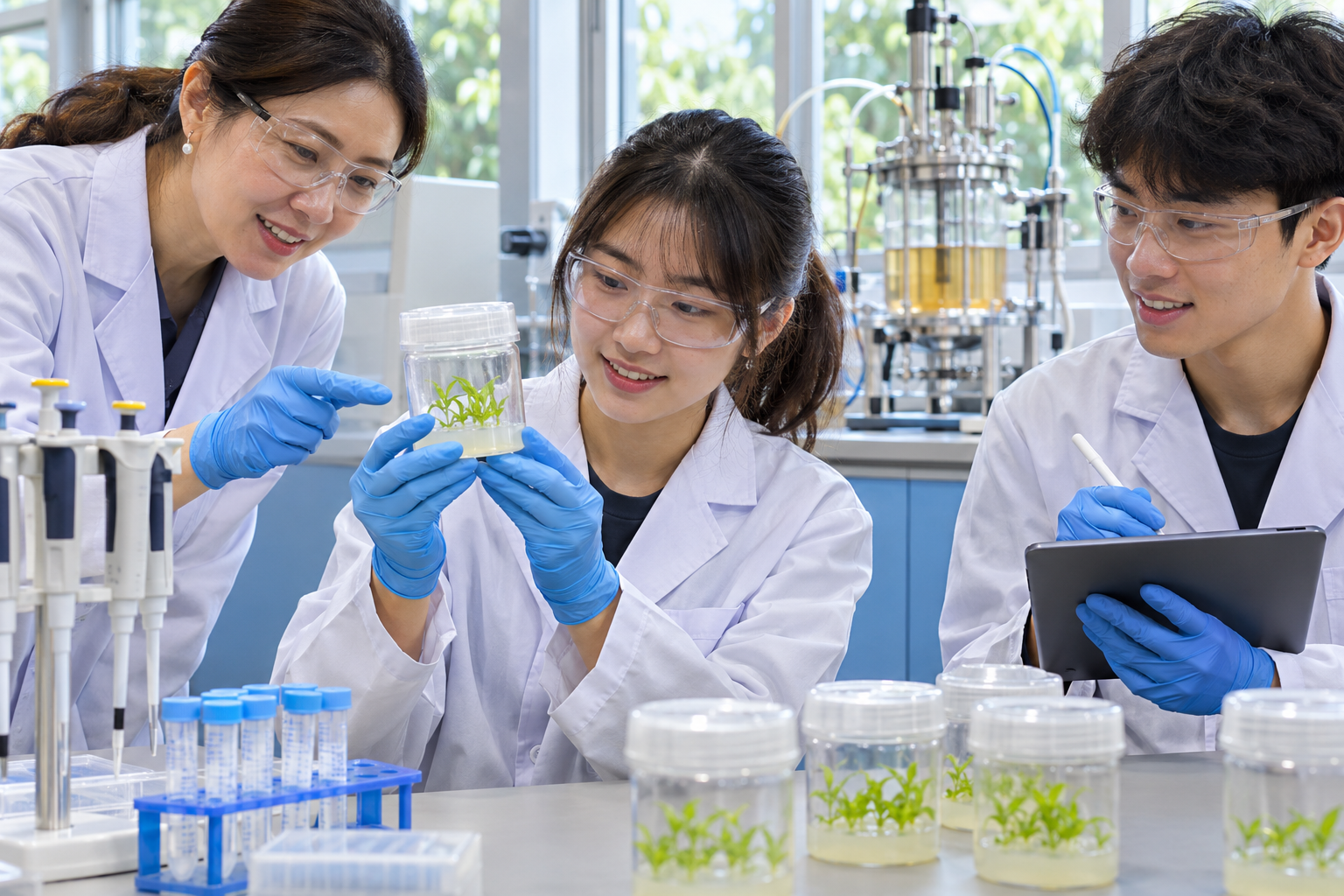
Biotechnology uses living organisms, cells and biological molecules to develop useful products, processes and technologies. It combines biology with chemistry, engineering and data science to address challenges in healthcare, agriculture, food production, industry and the environment. Applications range from fermentation and enzyme production to modern genetic and cell-based technologies.

Students build a foundation in genetics, molecular biology, microbiology and biochemistry. They explore how cells function, how genes influence biological processes and how microorganisms produce useful substances. This knowledge helps explain how biological systems can be selected, adapted or engineered for particular purposes.

In healthcare, biotechnology contributes to developing medicines, vaccines and diagnostic tools. For example, cells can be used to produce therapeutic proteins, while molecular techniques can help detect biological targets. Depending on the programme, students may explore areas such as recombinant DNA technology, cell culture, antibody production and approaches to investigating potential treatments.

Beyond healthcare, biotechnology supports crop improvement, food fermentation and the production of enzymes, materials and other useful compounds. Environmental applications can include using microorganisms to treat waste or help break down pollutants. Students learn to consider whether a biological approach is effective, safe and practical for its intended use.

Practical learning develops skills in laboratory techniques, experimental design and analysing biological data. Students may investigate how laboratory processes can be scaled up using bioreactors, and how useful products are recovered and purified. Quality control, biosafety, ethics and the commercial development of scientific ideas help connect research with real-world applications.

Biotechnology degrees can support careers in research, biomanufacturing, pharmaceuticals, agricultural technology and related industries, depending on the course and further experience. Programmes vary in their emphasis on medical, industrial, agricultural or environmental applications. Before applying, compare laboratory training, specialist subjects, research projects and industry opportunities. A biotechnology degree does not qualify graduates as doctors or automatically provide a professional diagnostic laboratory qualification.

What Will You Study?

Molecular Biology & Genetic Technologies

Study DNA, gene expression and how genetic information influences cell function. Explore techniques used to analyse and modify biological systems, including DNA amplification, sequencing and recombinant DNA methods. Learn how these tools support research and applications across medicine, agriculture and industry.

Microbiology, Cell Culture & Biochemistry

Explore how microorganisms and cells grow, function and produce useful substances. Study proteins, enzymes and metabolism, alongside practical principles of culture techniques and contamination control. Depending on the programme, work may involve microbial, plant or animal cell systems.

Bioprocessing & Product Development

Learn how biological processes are developed for practical production. Explore fermentation, bioreactors and methods for recovering and purifying products. Consider the challenges of moving from laboratory experiments to larger-scale manufacturing while maintaining quality, consistency and efficient use of resources.

Research, Bioinformatics & Responsible Innovation

Develop skills in experimental design, statistics and interpreting biological data. Explore how computational tools support the analysis of genes, proteins and other biological information. Through projects and case studies, consider biosafety, ethics, intellectual property and the evidence needed to develop scientific ideas responsibly.

These are typical study areas. The balance of medical, agricultural, industrial and environmental biotechnology varies by university and programme. Laboratory techniques, computational subjects, research projects and placement opportunities also differ, so compare the exact course structure before applying.

Entry Requirements & Study Pathways

Your pathway into biotechnology depends on your academic qualifications, science background and the requirements of your chosen university. Compare each programme’s emphasis on molecular biology, bioprocessing, computational methods and practical laboratory learning alongside its entry requirements.

Your Qualification Possible Study Pathway
Singapore O Levels Further study through A Levels, the IB Diploma or an accepted foundation or diploma programme may help you meet undergraduate entry requirements. Confirm that your chosen pathway leads to the intended biotechnology degree and includes any required science and mathematics subjects. Check progression grades and other conditions before enrolling.
Singapore A Levels / IB Diploma You may be eligible for direct entry into an undergraduate biotechnology programme, depending on your results and subject combination. Check requirements for biology, chemistry, mathematics or other accepted subjects. Engineering-focused biotechnology courses may have different prerequisites from programmes centred on biological sciences.
Polytechnic Diploma Your application will be assessed against the university’s requirements, including your diploma discipline, GPA and relevant modules. Provide details of biotechnology, molecular biology, chemistry, bioprocessing, statistics and laboratory studies where relevant. Credit transfer or advanced entry is assessed individually and is not automatic.
Bachelor’s Degree Graduates can explore postgraduate biotechnology programmes, subject to academic results, prerequisite subjects and relevant experience. Some courses require a related science or engineering background, while others consider a wider range of disciplines. Compare taught and research options, including their emphasis on laboratory science, biomanufacturing, bioinformatics or commercial development.

Additional Admission Requirements

Depending on the programme, you may need specific subjects, evidence of English language proficiency, references or a personal statement. Postgraduate applications may require module descriptions, relevant experience or a research proposal. Research degrees may also require an available supervisor. Check international student eligibility, application deadlines and whether placements are included, optional or competitive, along with any additional participation requirements and costs.

Featured Universities

Explore biotechnology programmes at these UK and Australian universities, including a modern university in each country. Compare their specialist subjects, laboratory learning and research opportunities to find a course that matches your scientific interests and career goals.

United Kingdom
Illustration of the University of Nottingham campus entrance

University of Nottingham

BSc (Hons) Biotechnology

Explore how biological knowledge can be applied to practical challenges, including applications in plant science and agriculture. Develop an understanding of molecular processes alongside laboratory and research skills. Compare the available modules and project options with your interests in medical, industrial or agricultural biotechnology.
Illustration of Northumbria University campus

Northumbria University

BSc (Hons) Biotechnology

Study biotechnology through molecular biology, bioinformatics and industrial applications at a modern UK university. Develop scientific understanding and analytical skills relevant to investigating biological systems and their practical uses. Check the current course structure, laboratory activities and opportunities for applied learning.

Australia
Illustration of the University of Queensland campus

University of Queensland

Bachelor of Biotechnology

Build a foundation in biotechnology and explore specialist applications of biological science. Compare available study areas with your interests in fields such as molecular, microbial or agricultural biotechnology. Students interested in research can also investigate the separate honours programme and its entry requirements.
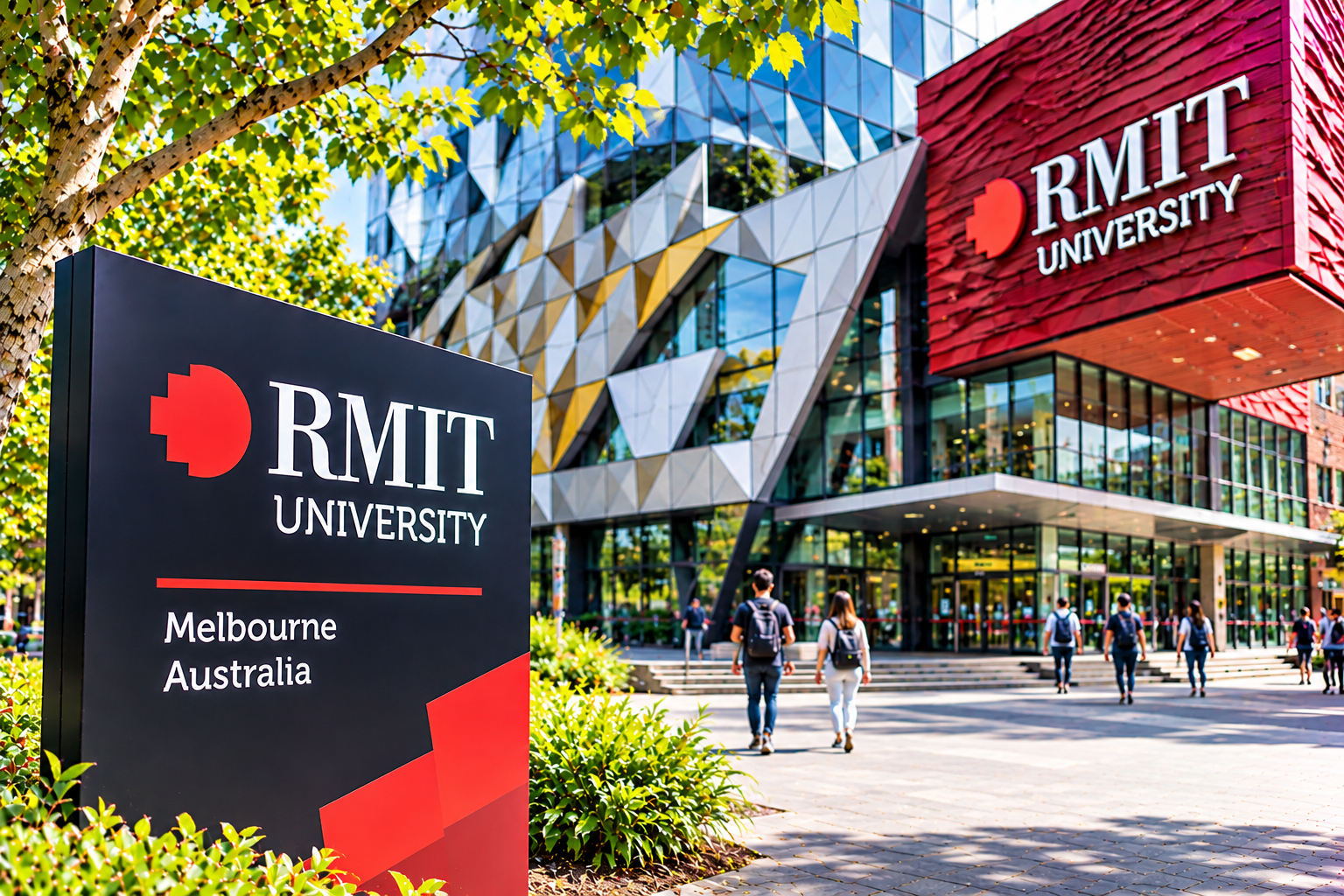
Illustration of RMIT University’s Melbourne campus entrance

RMIT University

Bachelor of Science — Biotechnology Major

Study biotechnology as a specialist major within RMIT’s Bachelor of Science. Combine biological knowledge with practical learning while exploring how scientific methods can address real-world challenges. This option offers a broader science degree structure, so review the major’s subjects, electives and practical experience arrangements.

Programme titles and structures differ: biotechnology may be offered as a dedicated degree or a major within a broader science degree. Check the subjects, campus, international entry requirements and practical opportunities for your intended intake. Admission and placement opportunities are subject to university requirements.

Looking for Other University Options?

Every student is different. Speak with UniGlobal Education about your qualifications, preferred destination and scientific interests to explore suitable biotechnology programmes and study pathways.

Enquire Now

Working in Singapore

If you plan to work in Singapore after studying biotechnology overseas, compare your chosen programme with the scientific knowledge, practical skills and experience required for your intended role. Research, biomanufacturing, quality and commercial positions can require different combinations of expertise.

Qualifications & Industry Requirements

Employers assess biotechnology graduates against the requirements of individual positions. A degree’s title alone does not establish suitability: relevant modules, laboratory training, research projects and industry experience can all influence your application.

Singapore’s biotechnology and pharmaceutical activities include research and development, biological product manufacturing and the commercial development of scientific discoveries. Opportunities extend across research institutes, universities, established companies and biotechnology start-ups.

For laboratory and research roles, look for opportunities to develop molecular biology, microbiology, cell culture and analytical skills. Experimental design, statistics, bioinformatics and scientific communication may also be relevant. The specific techniques required depend on the research area and organisation.

For biomanufacturing and quality roles, compare training in fermentation, bioprocessing, product recovery and analytical testing. Familiarity with accurate documentation, contamination control and quality systems can be valuable. Employers may require further training in Good Manufacturing Practice (GMP), equipment operation or validated procedures.

Some positions accept relevant bachelor’s degrees and practical laboratory experience, while advanced scientist roles may require a PhD and specialist expertise. Review current vacancies to understand the difference between graduate-entry roles and positions requiring substantial research or industry experience.

An overseas biotechnology degree does not guarantee employment or qualify a graduate to practise medicine. For diagnostic laboratory or other specialist careers, check the separate qualification and competency requirements. Use your studies to build relevant projects, practical experience and evidence of your skills.

Career Opportunities

Biotechnology graduates can explore careers applying biological science to healthcare, manufacturing, agriculture, food and environmental challenges. Opportunities depend on your specialist subjects, laboratory and computational skills, practical experience and any further qualifications required by employers.

Biotechnology Research & Development

Contribute to projects investigating genes, cells, microorganisms and biological products. Work may involve preparing experiments, developing assays, analysing results and documenting findings. Opportunities span university laboratories, research institutes and companies, with advanced scientist positions often requiring postgraduate study and specialist experience.

Biomanufacturing & Process Development

Support the production of biological products such as therapeutic proteins, enzymes and fermentation-derived ingredients. Depending on your training, work may include cell culture, fermentation, product recovery or process monitoring. Develop practical knowledge of contamination control, equipment operation and consistent production procedures.

Quality Assurance & Analytical Testing

Help organisations maintain reliable laboratory and manufacturing processes. Test materials and products against specifications, review records and investigate inconsistencies. Roles may require further training in validated analytical methods, quality systems and Good Manufacturing Practice, depending on the products and working environment.

Agricultural, Food & Environmental Biotechnology

Apply biological knowledge to areas such as crop improvement, food fermentation, waste treatment and resource recovery. Support investigations into useful microorganisms, plant systems or biological processes. Opportunities depend on your programme’s specialist content and may require additional skills in food science, agriculture or environmental analysis.

Bioinformatics & Biological Data

With suitable computational training, help analyse genetic, protein or other biological datasets. Use statistics, programming and specialist software to identify patterns and support research decisions. Technical bioinformatics roles may require substantial additional study in coding, data management and computational methods.

Technical Support & Commercial Development

Combine scientific knowledge with communication and business skills to support biotechnology products and services. Opportunities may include product applications, scientific sales, customer training or commercial project support. Roles involving technology transfer, intellectual property or regulatory affairs may require further qualifications and industry experience.

These are examples of career directions rather than guaranteed outcomes. Some roles require specialist technical training, industry experience or postgraduate qualifications. A biotechnology degree does not automatically provide a professional diagnostic laboratory qualification, qualify graduates as doctors or guarantee entry to medicine.

Let’s plan your next step

Tell us about your qualifications and biotechnology study goals.


Enquire about studying biotechnology →

Entry requirements and available pathways vary by institution and course.