
HEALTH & LIFE SCIENCES

Study Clinical Physiology Overseas

Explore clinical physiology degrees, study pathways and university options in the UK and Australia. Discover how measurements of body functions, specialist diagnostic tests and patient care help healthcare teams investigate and monitor health conditions.

Clinical physiology student learning to conduct a lung function test under a lecturer’s supervision.

What is Clinical Physiology?

Clinical physiology applies knowledge of how the body functions to investigating and monitoring health conditions. It combines human physiology, specialist equipment and patient care to measure the activity of organs and body systems. These measurements help healthcare teams understand symptoms, assess changes in function and evaluate responses to treatment.

Students build a foundation in anatomy, physiology and disease processes, alongside the scientific principles behind physiological measurements. They explore how the heart, lungs, nervous system and other body systems work, and how illness can alter their function. Understanding normal variation and the limitations of different tests helps students evaluate the quality and significance of recorded information.

Clinical physiology includes distinct specialist areas, with the available pathways varying between programmes and countries. Cardiac physiology investigates heart function, respiratory physiology examines breathing and lung function, and neurophysiology measures electrical activity associated with the nervous system. Some pathways also cover sleep investigations. A course may focus on one specialty rather than preparing students to work across all these areas.

Depending on their specialist pathway, students may learn about tests such as electrocardiography (ECG), spirometry or electroencephalography (EEG). Practical training develops skills in preparing equipment, explaining procedures, obtaining reliable measurements and recognising technical errors. Students learn to follow protocols, assess recording quality and seek appropriate advice when findings or patient responses require attention.

Patient communication, safety and professional judgement are central to clinical physiology. Students practise supporting people who may be anxious, unwell or unfamiliar with diagnostic procedures, while respecting consent, dignity and confidentiality. Depending on the programme, simulation and supervised clinical placements connect scientific learning with patient investigations. Research methods and data analysis help students evaluate evidence and consider improvements in practice.

Clinical physiology differs from physiotherapy, which focuses on movement, physical function and rehabilitation. A general physiology degree also does not automatically provide professional clinical training. Before enrolling, check the exact qualification, specialist pathway, accreditation, placement arrangements and any further training or professional requirements in your intended country of work. Completing a course does not qualify graduates as medical doctors or automatically establish competence in every physiological investigation.

What Will You Study?

Human Physiology & Disease Processes

Study the structure and function of body systems, including the heart, lungs and nervous system. Explore how physiological processes are regulated and how illness can affect their function. Connect scientific knowledge with symptoms, functional changes and the reasons for requesting different physiological investigations.

Specialist Physiological Investigations

Develop knowledge of investigations within your chosen specialty, such as cardiac, respiratory or neurophysiology. Depending on the pathway, examples may include electrocardiography (ECG), lung function testing or electroencephalography (EEG). Learn the purpose, principles and limitations of relevant tests; individual programmes do not necessarily train students across every specialty.

Measurement Technology, Quality & Patient Safety

Explore how specialist equipment records physiological signals and measurements. Develop skills in preparing equipment, following test protocols, recognising recording artefacts and checking data quality. Study patient identification, infection prevention, accurate documentation and safety procedures, including recognising when a test requires review or assistance from a suitably qualified professional.

Patient Communication, Clinical Practice & Research

Practise explaining investigations, supporting patients and respecting consent, dignity and confidentiality. Where included, simulation and supervised clinical placements help develop practical competence, teamwork and professional judgement. Build skills in research design, statistics and critical appraisal to evaluate evidence, interpret findings within your training and communicate information clearly.

These are typical study areas. Specialist pathways, practical techniques and clinical placements vary by university and programme. A general physiology degree does not automatically provide professional clinical training, and training in one specialty does not establish competence in another. Check the exact course’s accreditation, clinical training and professional requirements for your intended country of work.

Entry Requirements & Study Pathways

Your pathway into clinical physiology depends on your academic qualifications, science background and intended specialty. Check whether the programme provides professional clinical training in an area such as cardiac, respiratory or neurophysiology, or focuses on academic physiology. Compare clinical placements, accreditation and any further training required for your intended career.

Your Qualification Possible Study Pathway
Singapore O Levels Further study through A Levels, the IB Diploma or an accepted foundation or diploma programme may help you meet undergraduate entry requirements. Confirm that your chosen pathway leads to the intended degree and includes the required science and mathematics subjects. Progression to a general science degree should not be assumed to provide access to a professional clinical physiology pathway.
Singapore A Levels / IB Diploma You may be eligible for direct entry into a clinical physiology or related healthcare science programme, depending on your results and subject combination. Check requirements for biology, chemistry, physics, mathematics or other accepted subjects. Confirm the specialist pathway, clinical training arrangements and international applicant eligibility for the exact course and intake.
Polytechnic Diploma Your application will be assessed against the university’s requirements, including your diploma discipline, GPA and relevant modules. Provide details of anatomy, physiology, biomedical science, electronics, mathematics or clinical studies where relevant. Credit transfer and advanced entry are assessed individually. Check how exemptions affect specialist subjects, clinical placements and the professional outcome of the programme.
Bachelor’s Degree Graduates can explore postgraduate clinical physiology or specialist diagnostic programmes where available. Admission may require a relevant degree, prerequisite subjects, clinical employment or access to an approved training placement. Distinguish initial professional training from advanced courses for existing practitioners. A general physiology degree or postgraduate academic qualification does not automatically establish competence to perform clinical investigations.

Additional Admission Requirements

Depending on the programme, you may need evidence of English language proficiency, references, a personal statement or an interview. Health screening, vaccination evidence and background checks may be required for clinical placements. Confirm whether clinical training is arranged by the university or must be secured separately, and whether the course requires existing employment or employer sponsorship. Check international student eligibility, placement locations and additional costs. Before enrolling, review the exact qualification, specialist pathway and professional requirements for your intended country of work.

Featured Universities

Explore clinical physiology study options in the UK and Australia. Compare each programme’s specialist focus, clinical placements and professional outcomes. Cardiac physiology, broader clinical measurement and postgraduate clinical physiology courses provide different study pathways.

United Kingdom — Undergraduate Options
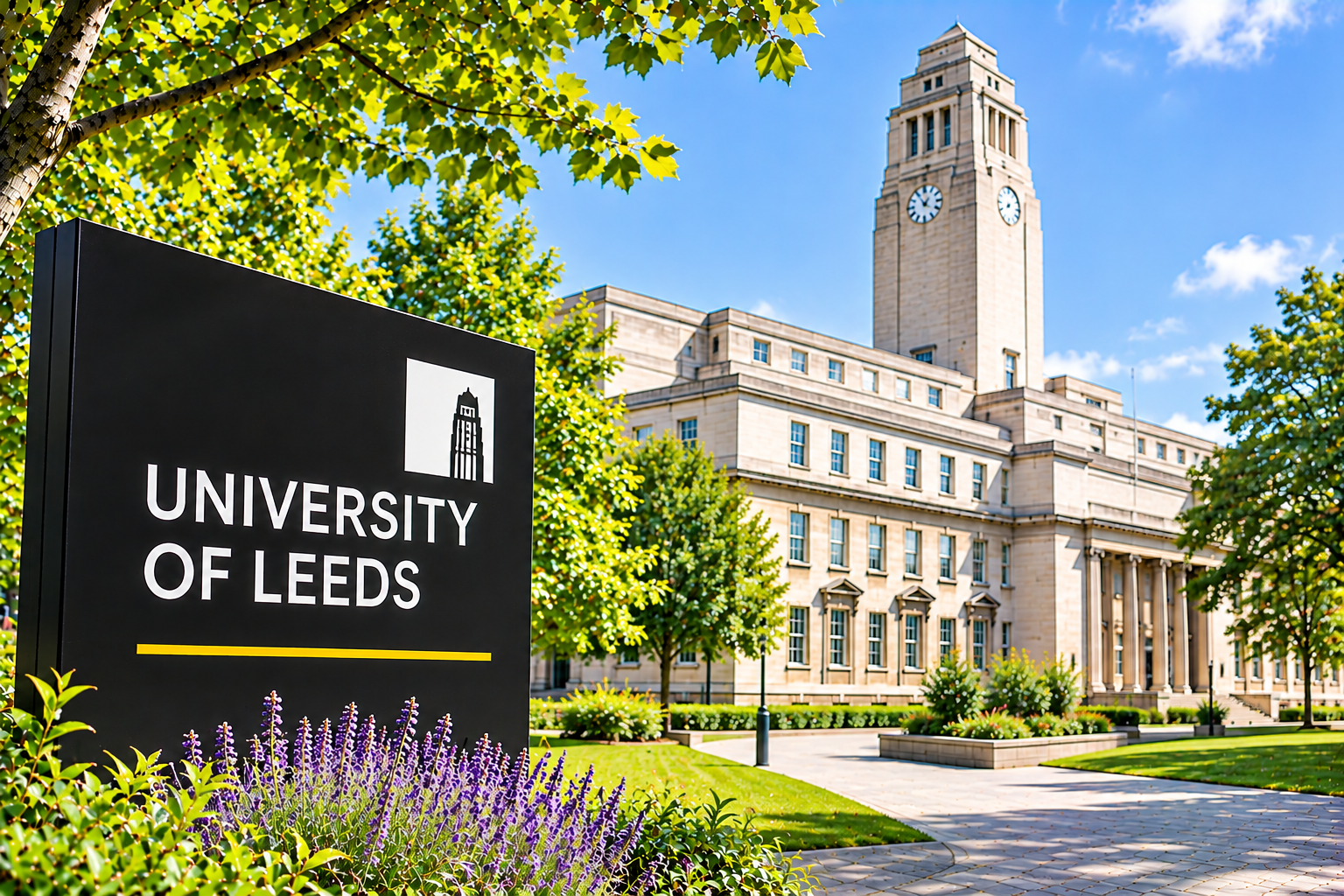
Illustration of the University of Leeds campus and clocktower

University of Leeds

BSc Healthcare Science (Cardiac Physiology)

Focus on heart function and cardiac investigations through academic study, simulation and clinical placements. Based within the School of Medicine, the programme connects scientific learning with supervised practice in cardiac departments. Successful graduates are eligible to apply for Academy for Healthcare Science practitioner registration, subject to its requirements.
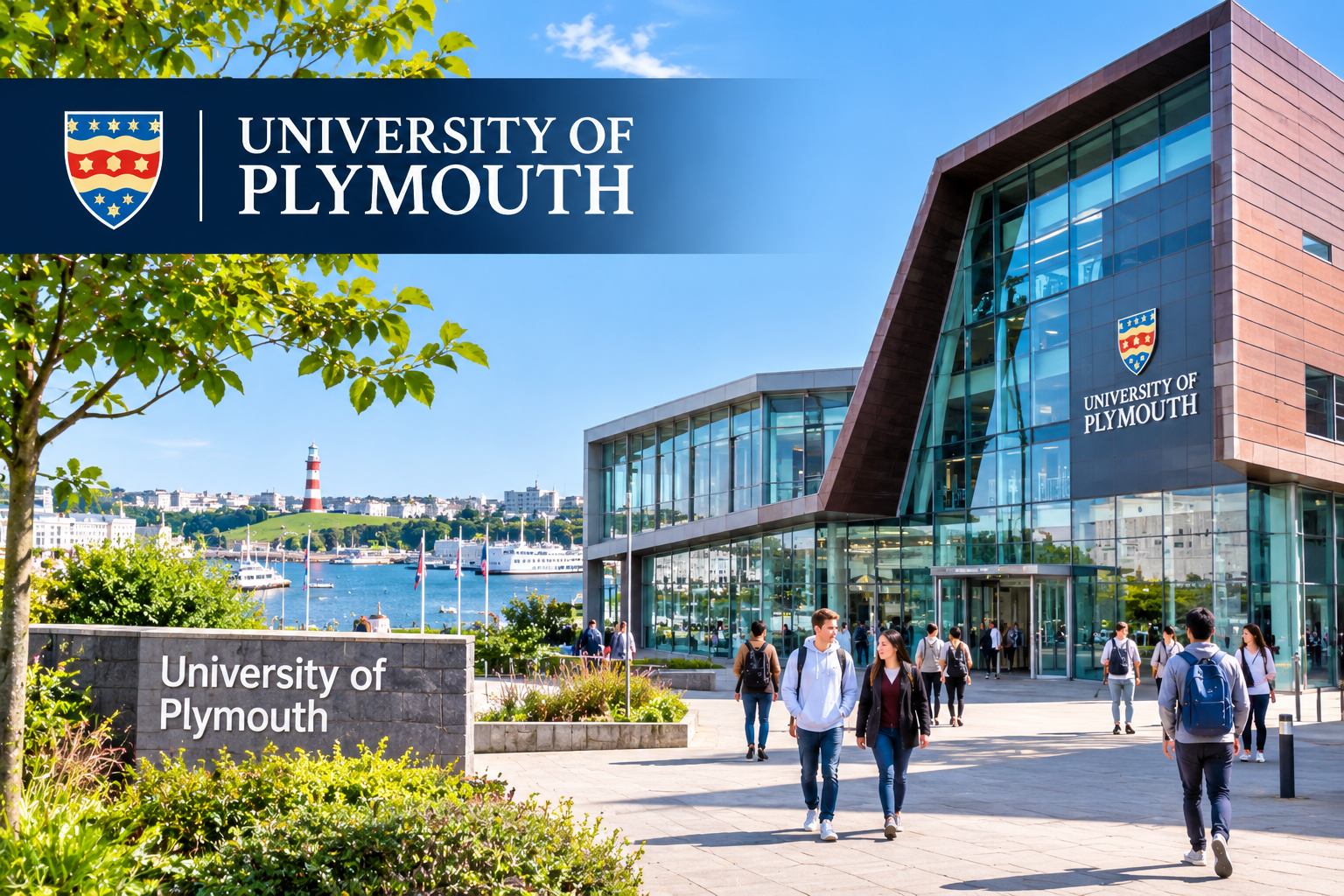
Illustration of the University of Plymouth campus

University of Plymouth

BSc (Hons) Clinical Physiology (Cardiac Physiology)

Study cardiac physiology through a four-year programme that includes a mandatory clinical placement year. Develop knowledge of physiological measurement, cardiac investigations, patient care and professional practice. The university lists National School of Healthcare Science accreditation. Check the clinical placement requirements and any foundation progression conditions for your intended intake.

Australia — Undergraduate Option
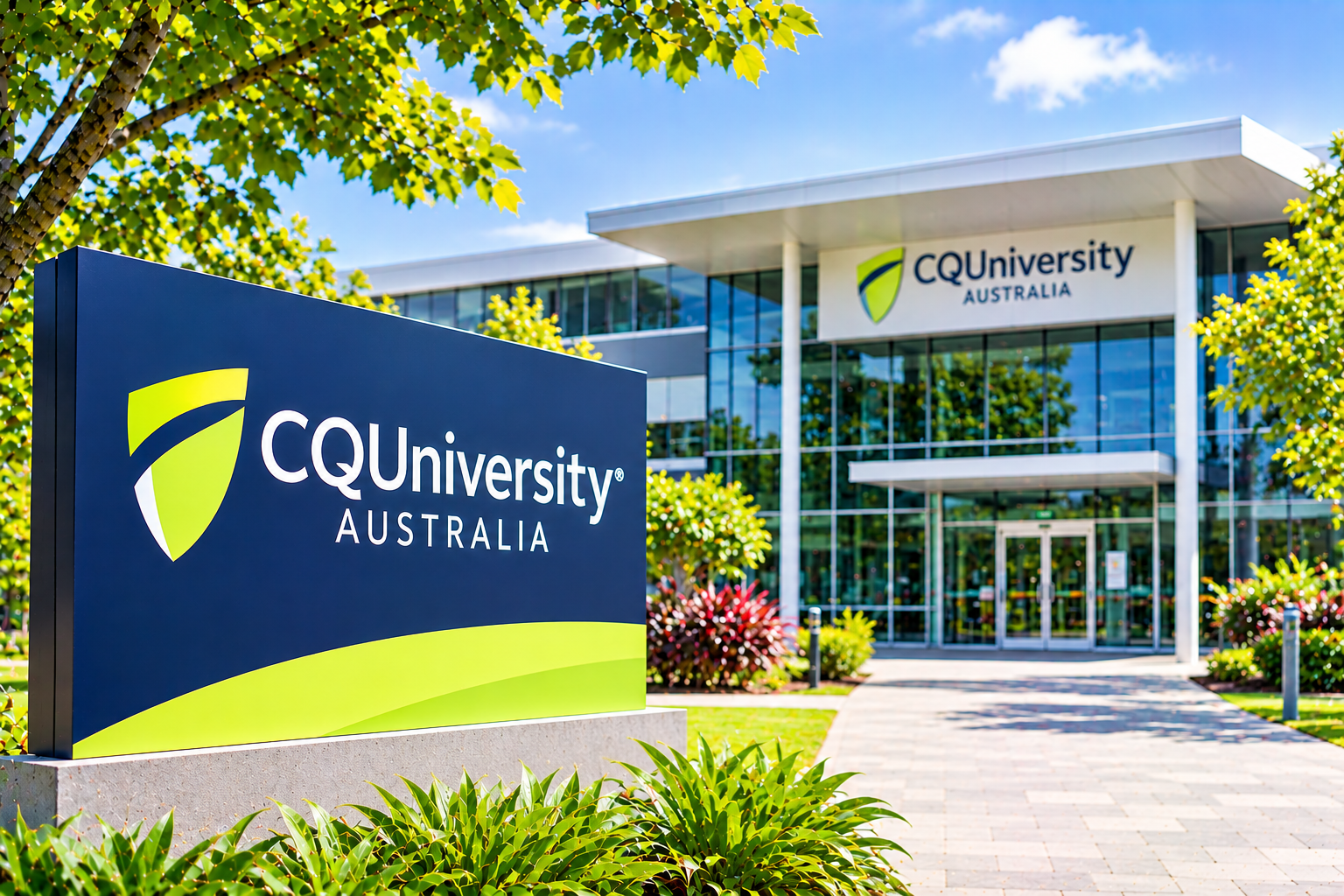
Illustration of a CQUniversity Australia campus entrance

CQUniversity Australia

Bachelor of Medical Science (Specialisation)
Clinical Physiology Pathway

Explore the application of physiological science to patient testing and monitoring through an undergraduate medical science programme. The clinical physiology pathway includes compulsory work experience and learning relevant to physiological measurement. Confirm the current specialisation title, campus availability and clinical training arrangements for international students before applying.

View official course information ↗

Enquire About CQUniversity Australia

Australia — Postgraduate Option

Illustration of a Griffith University campus entrance

Griffith University

Graduate Diploma of Clinical Physiology

Designed for graduates with a relevant physiology or biomedical science background. Explore physiological measurement, diagnostic testing and biomedical instrumentation, supported by two six-week clinical placements in different areas of clinical physiology. The programme lists approximately 450 hours of professional placement.

International availability: Confirm the current intake, international admission eligibility and student visa arrangements directly with Griffith before planning an application. This is a postgraduate diploma, not an undergraduate degree.

View official course information ↗

Enquire About This Postgraduate Option

These are selected examples rather than a ranking or a guarantee of admission, professional registration or employment. Qualification levels, specialist pathways, accreditation and placement arrangements differ. Training in cardiac physiology does not automatically establish competence in respiratory physiology, neurophysiology or other specialties. Clinical exercise physiology is a separate professional pathway.

Check Your Intended Professional Pathway

Before accepting an offer, confirm the exact qualification, specialist training, assessed clinical competencies and professional registration or credential pathway. Check whether clinical placements are included, how they are arranged and whether international students can complete all required components.

If you intend to work in Singapore, compare your course and clinical experience with the requirements of prospective employers for the specific role. Overseas accreditation or eligibility for a UK professional register does not guarantee employment in Singapore.

Looking for Other University Options?

Every student is different. We can help you compare clinical physiology study options based on your qualifications, intended specialty, budget and career interests.

Discuss Your Study Options

Career Opportunities

Clinical physiology graduates can explore careers investigating and monitoring how body systems function. Opportunities depend on your specialist pathway, assessed clinical competencies, supervised training and the professional requirements of your intended country of work. Training in one area does not automatically qualify you to practise in another specialty.

Cardiac Physiology

With appropriate cardiac training, perform investigations that help healthcare teams assess heart function. Work may include electrocardiography (ECG), ambulatory monitoring and exercise testing. Areas such as echocardiography, cardiac devices and invasive investigations require specific competencies, further supervised experience and any relevant professional credentials.

Respiratory Physiology

With suitable specialist training, investigate breathing and lung function through tests such as spirometry and other respiratory measurements. Prepare equipment, guide patients through procedures and assess the quality of recorded results. More complex investigations require additional competencies and adherence to clinical protocols and safety procedures.

Clinical Neurophysiology

Following relevant neurophysiology training, record physiological signals that support investigations of nervous system function. Depending on your role, work may involve electroencephalography (EEG), evoked potentials or nerve conduction studies. Each technique requires appropriate supervised training, competency assessment and clear understanding of your professional responsibilities.

Sleep Physiology

With appropriate training, support investigations of breathing and other physiological activity during sleep. Responsibilities may include preparing monitoring equipment, explaining procedures, checking recordings and analysing data within your competence. Sleep services may involve overnight work, and roles supporting treatment require additional training and authorisation.

Clinical Education & Research

After building relevant experience, contribute to student supervision, staff training or research involving physiological measurements. Projects may evaluate testing methods, patient experience or service outcomes. Teaching and research-intensive positions may require postgraduate qualifications, research skills or additional expertise in clinical supervision.

Service Leadership & Diagnostic Technology

With experience and additional skills, explore service coordination, quality improvement or department management. Industry opportunities may include technical applications, equipment training and implementation support. These roles can require specialist knowledge of diagnostic systems, leadership experience and the ability to communicate effectively with clinical and technical teams.

These are examples of career directions rather than guaranteed outcomes. Job titles, registration and professional responsibilities vary by country. Some roles require additional qualifications, specialist credentials or postgraduate training. A clinical physiology qualification does not qualify graduates as medical doctors or physiotherapists, and clinical exercise physiology has a separate training pathway.

Let’s plan your next step

Tell us about your qualifications and clinical physiology study goals.


Enquire about studying clinical physiology →

Entry requirements and available pathways vary by institution and course.