
COMPUTING & TECHNOLOGY

Study Software Engineering Overseas

Explore software engineering degrees, study pathways and university options in the UK and Australia. Discover how software is designed, developed, tested and maintained, with opportunities to build skills in programming, software architecture, quality assurance and collaborative development through practical projects.

What is Software Engineering?

Software engineering focuses on the systematic design, development, testing and maintenance of software applications and systems. It combines programming with engineering principles to create software that is reliable, secure, efficient and suitable for its intended purpose. Beyond writing code, software engineers consider how a system should function, how different components work together and how software can be maintained and improved over time.

Students develop foundations in programming, algorithms, data structures and computer systems. They learn how to analyse problems, understand user requirements and translate these into software solutions. Mathematics, logical reasoning and computational thinking help students evaluate different approaches and understand how software behaves as systems become more complex.

A key part of software engineering is understanding the software development lifecycle. Students explore requirements analysis, system design, implementation, testing, deployment and maintenance. They learn how development methods, documentation and version control support the management of software projects. Depending on the programme, students may also study Agile development approaches and techniques for coordinating work across development teams.

Software design and architecture examine how applications are organised and how their components communicate. Students may study databases, application programming interfaces, distributed systems and software design patterns. These subjects help them understand how to develop systems that can be extended, integrated with other technologies and adapted to changing requirements.

Testing and quality assurance are important aspects of software engineering. Students learn to identify defects, evaluate whether software meets its requirements and use testing techniques to improve reliability. They may also explore software security, performance, accessibility and usability. Understanding these areas helps students recognise that successful software must meet both technical requirements and the needs of the people using it.

Practical learning commonly includes programming assignments, software development projects and collaborative activities. Students gain experience using development tools, managing source code, debugging applications and communicating technical decisions. Team projects may involve planning tasks, reviewing code and delivering software within agreed requirements and deadlines. Students also consider professional responsibilities, including data privacy, cybersecurity, intellectual property and ethical software development.

Software engineering overlaps with computer science, but generally places greater emphasis on the processes and practices used to develop and maintain software systems. Computer science often provides broader coverage of computational theory, algorithms and computing technologies. The distinction varies between universities, so students should compare the exact curriculum, mathematics requirements, practical projects, specialist options and industry opportunities before applying.

What Will You Study?

Programming, Algorithms & Computing Foundations

Develop programming and problem-solving skills through the study of algorithms, data structures and computational thinking. Learn to write, test and debug code while exploring mathematical foundations such as logic and discrete mathematics. Depending on the programme, study computer systems, operating systems and databases to understand how software interacts with the underlying computing environment.

Software Design, Architecture & Development

Learn how software systems are planned, designed and developed to meet user and organisational requirements. Explore requirements analysis, software modelling, modular design, software architecture and development methods. Study how applications are organised, how components communicate and how design decisions influence maintainability, scalability and system performance.

Software Testing, Quality Assurance & Security

Explore methods for evaluating software quality, identifying defects and verifying that applications meet their requirements. Study software testing techniques, debugging, test automation and quality assurance principles. Depending on the programme, examine secure software development, performance testing, reliability and risk management, learning how to improve software throughout its lifecycle.

Practical Projects, Teamwork & Professional Practice

Apply software engineering principles through programming assignments, individual projects and collaborative development activities. Build experience using version control, development tools, documentation and project management methods. Team projects may involve planning, coding, testing and delivering software against agreed requirements. Explore professional responsibilities involving privacy, accessibility, intellectual property and ethical software development.

These are typical study areas for software engineering degrees. Programming languages, mathematics requirements, software development methods, specialist modules and practical projects vary between universities and programmes. Some courses offer industry placements or internships, which may be optional or subject to separate selection. Compare the exact curriculum, entry requirements, accreditation and opportunities to gain practical experience before applying.

Entry Requirements & Study Pathways

Your pathway into software engineering depends on your academic qualifications, mathematics background and the entry requirements of your chosen university. Compare programmes covering programming, software design, testing and software development practices, alongside practical projects and industry opportunities. Foundation, diploma and credit transfer pathways may provide alternative routes, subject to the university’s progression and admission requirements.

Your Qualification Possible Study Pathway
Singapore O Levels Further study through A Levels, the IB Diploma or an accepted foundation or diploma programme may help you meet undergraduate entry requirements. Confirm that the pathway provides progression to your intended software engineering degree and includes the necessary mathematics preparation. Check the required progression grades, available university options and any additional conditions before enrolling in a pathway programme.
Singapore A Levels / IB Diploma You may qualify for direct entry into an undergraduate software engineering programme, depending on your academic results and subject combination. Mathematics is an important consideration, although the required level varies between universities. Some programmes accept applicants without previous programming experience, while others specify additional subject prerequisites. Where bachelor’s and integrated master’s degrees are offered, compare their entry requirements, course duration and progression conditions.
Polytechnic Diploma Your application will be assessed according to the university’s requirements, including your diploma discipline, GPA and relevant modules. Diplomas in information technology, computing, software development or related areas may provide relevant preparation. Universities may review programming, algorithms, databases, mathematics, software design and development projects when assessing applications. Credit transfer or advanced entry is considered individually and is not guaranteed. Confirm the remaining study duration, required modules and any accreditation implications before accepting an offer.
Bachelor’s Degree Graduates may explore postgraduate programmes in software engineering, software systems or related computing disciplines, subject to academic results and relevant prior knowledge. Specialist master’s degrees may require previous study in programming, algorithms, software development or computer science. Some universities also offer conversion programmes designed for graduates from other disciplines. Compare the entry requirements and intended learning outcomes carefully, as conversion courses and advanced specialist programmes serve different purposes.

Additional Admission Requirements

Depending on the university and programme, applicants may need specific mathematics subjects, evidence of English language proficiency, academic references, a personal statement or an admissions assessment. Applicants seeking credit transfer may need detailed module descriptions and evidence of previous programming or software development study. Postgraduate applicants may need relevant computing knowledge, professional experience or a portfolio of technical projects, while research applicants may require a proposal and an available supervisor. Confirm international student eligibility, application deadlines, computer and software requirements, and whether industry placements are compulsory, optional or subject to selection. Check the exact degree title, campus, course structure and any professional accreditation coverage for your intended intake.

Featured Universities

Explore selected universities offering software engineering and related degrees. Compare programming, software design, testing and development practices, alongside practical projects, industry opportunities and entry requirements.

United Kingdom

University of Sheffield campus entrance

University of Sheffield

BEng Computer Science (Software Engineering)

Explore software engineering through Sheffield’s Computer Science (Software Engineering) BEng programme. Students study computing foundations alongside software development and engineering principles. Compare its programming, software design, project opportunities and course structure with your interests, and check the mathematics requirements for your qualifications.
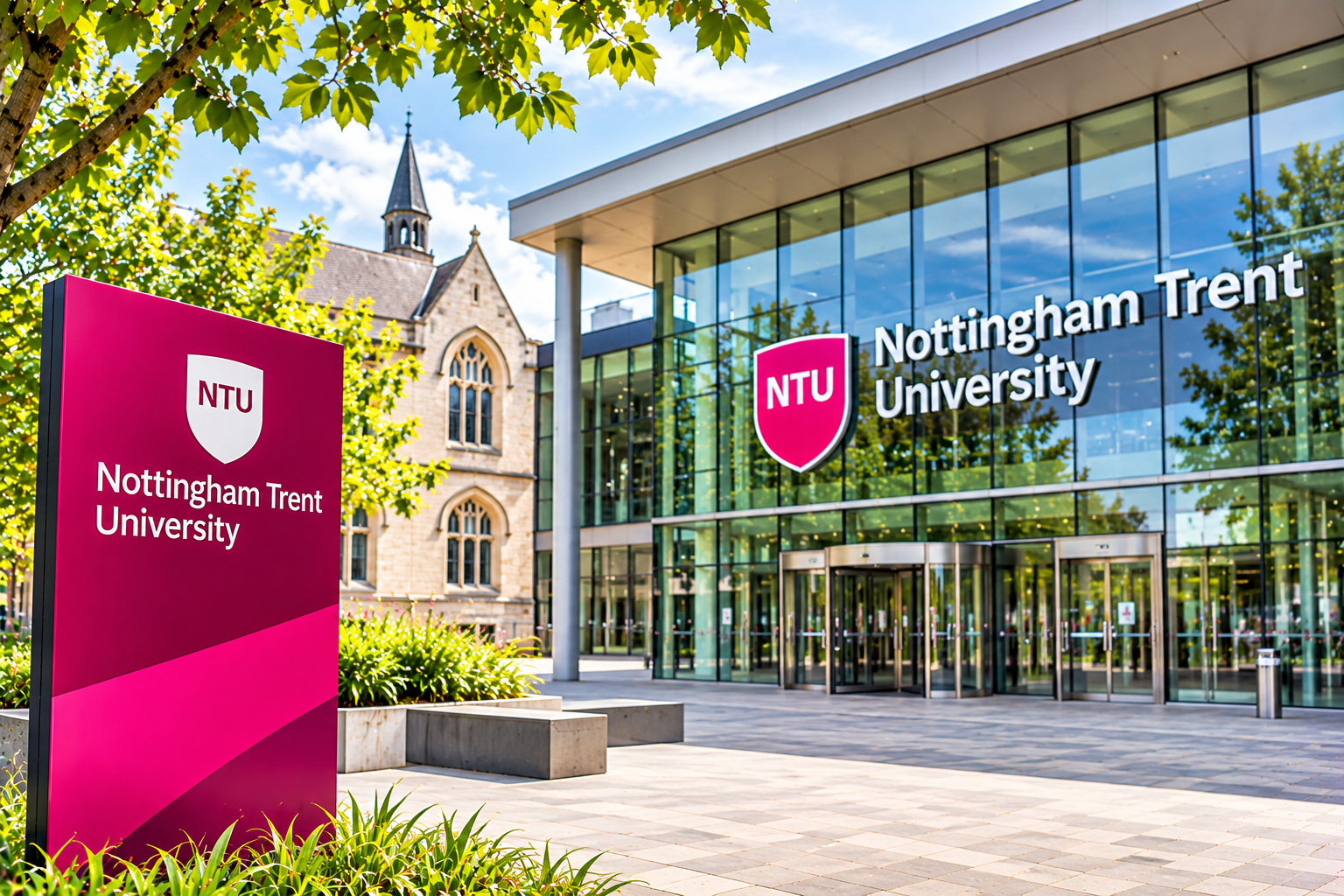
Nottingham Trent University campus entrance

Nottingham Trent University

BSc (Hons) Software Engineering

Explore software engineering at Nottingham Trent University through a programme focused on software development and its practical application. Students develop programming and problem-solving skills while studying software design, testing and development methods. Compare the modules, project opportunities, available placement routes and entry requirements for your intended intake.

Australia

RMIT University Melbourne campus entrance

RMIT University

Bachelor of Software Engineering (Professional)

Explore software engineering at RMIT University in Melbourne through its Bachelor of Software Engineering (Professional). The programme combines programming and software development with engineering approaches to designing and maintaining software systems. Review the professional practice component, industry experience arrangements, course duration and entry requirements when comparing study options.

Deakin University campus at sunset

Deakin University

Bachelor of Software Engineering (Honours)

Explore software engineering through Deakin University’s honours degree, covering programming, software systems and engineering approaches to software development. Students can develop practical skills through coursework and projects while examining software quality and the design of reliable applications. Compare the course structure, professional accreditation, work-integrated learning requirements and available campus options.

These are selected examples. Course titles, modules, accreditation, industry opportunities and entry requirements may change. Confirm the exact qualification, campus and course structure for your intended intake. Professional placements or work-integrated learning components may have separate eligibility and completion requirements.

Choosing the Right Software Engineering Course

Compare programming foundations, software architecture, development methods, testing and opportunities to work on substantial software projects. Check whether the degree is accredited under a computing or engineering framework and whether the accreditation covers your intended intake and study pathway. Consider industry experience, technical skills and the opportunity to build a portfolio that demonstrates your software development abilities.

Looking for Other University Options?

We can help you explore other software engineering courses based on your qualifications, preferred destination, budget and career interests.

Discuss Your Study Options →

Professional Recognition & Career Development

Professional accreditation assesses a degree programme against the standards of a relevant professional body, while individual professional registration or certification assesses a person’s qualifications, competence and experience. Software engineering degrees may be accredited under computing or engineering frameworks, depending on the programme and country. Completing a degree does not automatically confer professional registration, Chartered IT Professional status or other professional credentials.

Checking Software Engineering Accreditation

In the UK, BCS, The Chartered Institute for IT, accredits eligible computing degrees, including software engineering programmes. Depending on the accreditation awarded, a programme may meet all or part of the academic requirements associated with Chartered IT Professional (CITP), Chartered Engineer (CEng) or Incorporated Engineer (IEng) registration. Some programmes may also be accredited by other professional engineering institutions licensed by the Engineering Council.

In Australia, the Australian Computer Society (ACS) accredits eligible information and communications technology programmes, while Engineers Australia accredits eligible engineering programmes. The relevant professional body and accreditation category depend on the degree’s curriculum and classification. Engineers Australia also distinguishes between provisional and full accreditation, which can affect recognition under international engineering accords.

Check the exact degree title, university, campus, study mode, accreditation category and applicable accreditation period. Accreditation may differ between programmes offered by the same university. Students considering foundation progression, diploma exemptions, credit transfer or advanced entry should confirm with the university and relevant professional body whether their proposed study arrangement falls within the accreditation coverage.

Accreditation is one consideration when choosing a university. Also compare programming, software architecture, testing, quality assurance, cybersecurity, practical projects and industry opportunities. An accredited qualification does not guarantee employment or automatically provide professional registration or certification.

Professional Recognition Beyond Graduation

In the UK, BCS offers Chartered IT Professional (CITP) registration to eligible computing practitioners who demonstrate the required professional knowledge, skills, experience and competence. A suitably accredited software engineering degree may meet relevant academic requirements, either fully or partially, but applicants must also satisfy the applicable membership and individual assessment criteria.

Graduates of software engineering programmes with appropriate engineering accreditation may also explore Chartered Engineer (CEng) or Incorporated Engineer (IEng) registration pathways. These require applicants to meet the relevant educational and professional competence standards. An accredited bachelor’s degree alone may not satisfy every academic requirement for Chartered Engineer registration, and additional learning or assessment may be necessary.

In Australia, ACS provides professional certification pathways for eligible ICT practitioners, including Certified Professional (CP) and Certified Technologist (CT). Applicants must meet the applicable certification requirements, which may include relevant qualifications, professional experience, competence and continuing professional development. Graduates of engineering programmes may separately explore membership, Chartered recognition or registration pathways through Engineers Australia, subject to its requirements.

Software engineering roles do not generally require one universal professional licence. However, requirements can differ between countries, employers and particular responsibilities. Academic accreditation, professional membership, individual certification and statutory engineering registration serve different purposes. Students should check the requirements relevant to their intended career and country of employment.

Building Practical Skills & Career Readiness

Develop evidence of your software engineering skills through university assignments, personal projects and collaborative development activities. A portfolio can demonstrate how you analyse requirements, design software, write and test code, document decisions and improve applications. Version control repositories, technical documentation and project demonstrations can help show your individual contributions while respecting confidentiality, intellectual property and data privacy.

Internships, industry projects and work placements can provide exposure to professional software development environments. Depending on the opportunity, students may gain experience in team development, code reviews, software testing, project planning, deployment and maintenance. Check whether placements are compulsory, optional or subject to separate selection, and confirm international student eligibility, visa conditions and any additional costs.

Employers in Singapore and overseas may assess programming ability, software design, testing skills, problem-solving, teamwork and relevant project experience. Additional certifications in areas such as cloud computing, cybersecurity, software testing or development tools may support particular career goals. These should complement strong software engineering foundations and practical experience rather than replace them.

Career Opportunities

Software engineering graduates can explore careers in designing, developing, testing and maintaining software applications and systems. Opportunities exist across technology companies, financial services, healthcare, education, manufacturing and other industries that depend on software. Graduates may begin in junior software development, testing or technical roles before progressing into specialist positions. Career pathways depend on programming skills, practical projects, relevant experience and employer requirements.

Software Development & Engineering

Design, develop and maintain software applications used by individuals, businesses and organisations. Work may involve writing code, implementing new features, fixing defects and improving software performance. Graduates may begin as junior software engineers, software developers or application developers, collaborating with experienced engineers to deliver reliable and maintainable software.

Web, Mobile & Full-Stack Development

Develop websites, mobile applications and software services that support users and business operations. Work may involve user interfaces, server-side programming, databases and application programming interfaces. Graduates with suitable development skills may explore front-end, back-end, mobile or junior full-stack developer roles, depending on their programming experience and project portfolio.

Software Testing & Quality Assurance

Help ensure software applications function correctly and meet their intended requirements. Responsibilities may include preparing test cases, identifying defects, performing automated testing and analysing software behaviour. Graduates may explore junior software tester, quality assurance analyst or test automation roles, developing specialist skills in testing tools, software reliability and quality improvement.

Cloud Engineering & DevOps

Support the deployment, operation and improvement of software applications in cloud and other computing environments. Work may involve automating development processes, configuring deployment pipelines, monitoring applications and troubleshooting technical issues. Graduates with relevant programming, operating systems and cloud knowledge may explore junior cloud, DevOps or platform engineering opportunities. Some positions require additional technical training or experience.

Software Architecture & Systems Design

Contribute to the design and organisation of software systems, including how different components interact and exchange information. Graduate engineers may support system modelling, requirements analysis, application integration and technical documentation. With further experience, professionals may progress into software architecture or technical leadership roles, making decisions about system scalability, reliability, security and maintainability.

Secure Software & Application Development

Help develop software applications with security and data protection considerations built into the development process. Work may involve secure coding, identifying software vulnerabilities, reviewing application security and supporting security testing. Graduates with relevant programming and cybersecurity knowledge may contribute to secure development projects and, with further training or experience, progress into specialist application security roles.

These are examples of potential career directions rather than guaranteed employment outcomes. Entry requirements vary according to the employer, country and technical specialisation. Some roles, particularly software architecture, DevOps and application security, may require additional training, certifications or professional experience. A software engineering degree does not automatically confer professional certification, Chartered Engineer status or registration with Singapore’s Professional Engineers Board. Software engineering is not itself a prescribed branch of professional engineering registration in Singapore.

Let’s plan your next step

Tell us about your qualifications and software engineering study goals.


Enquire about studying software engineering →

Entry requirements and available pathways vary by institution and course.