COMPUTING & TECHNOLOGY
Study Information Systems Overseas
Explore Information Systems courses, study pathways and university options in the UK and Australia. Discover how organisations use technology, data and business processes to improve operations, support decision-making and develop digital solutions.
What is Information Systems?
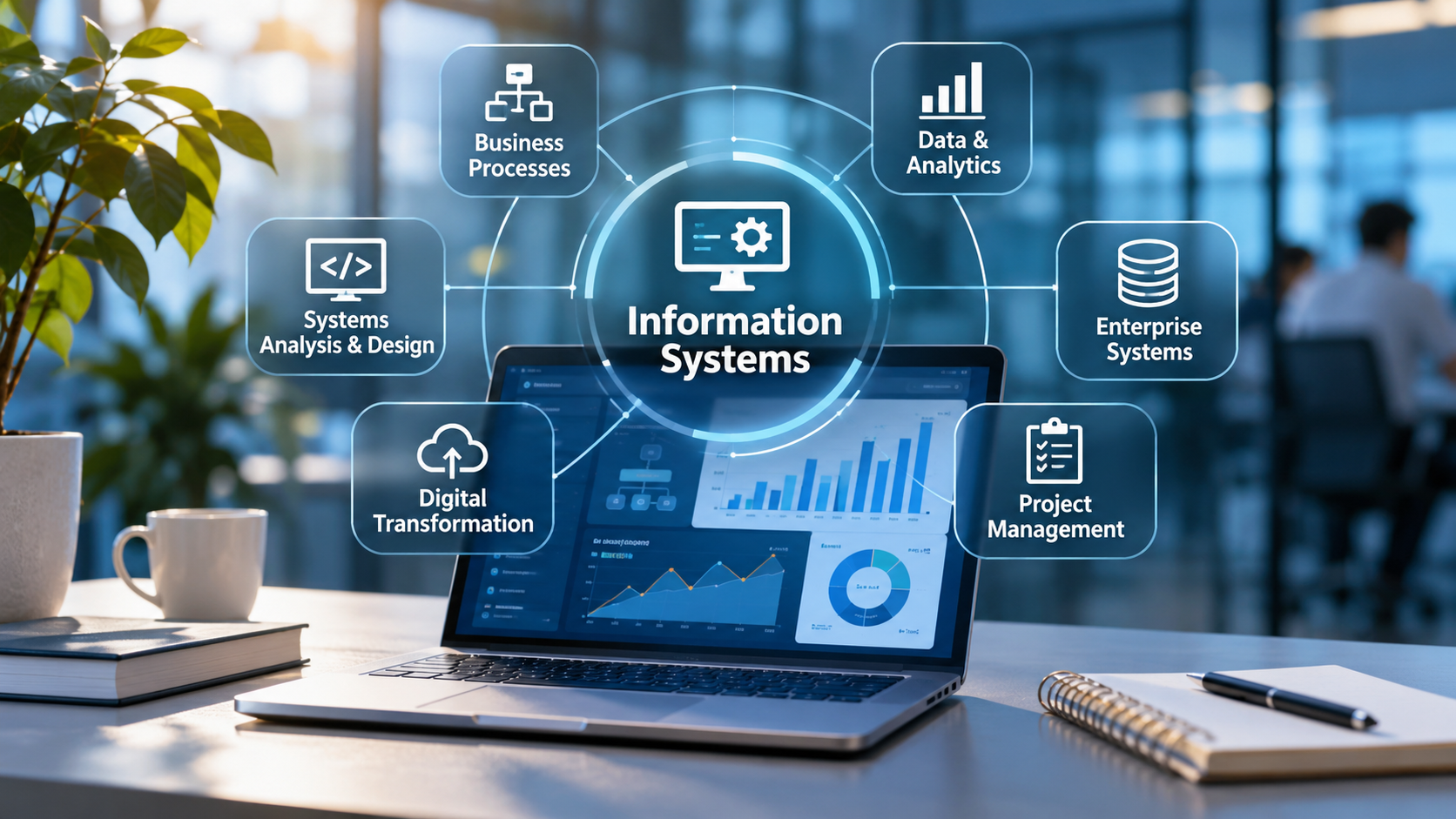
Information Systems (IS) focuses on how organisations use technology, data and business processes to improve operations and decision-making. It connects business needs with digital solutions, helping organisations manage information and work more effectively.
Students develop foundations in business processes, information systems, databases, systems analysis and project management. Depending on the programme, they may also study programming, business analytics, enterprise systems and digital transformation.
Information Systems also involves understanding how people and organisations use technology. Students may explore business requirements, information management, system design, cybersecurity governance and the implementation of digital solutions.
Practical learning may include analysing business problems, designing information systems, managing databases and developing technology solutions. Case studies, group projects and industry-related assignments help students strengthen analytical, communication and problem-solving skills.
Information Systems overlaps with Information Technology, Computer Science and Business Analytics, but places greater emphasis on connecting technology with organisational needs and business processes. It may be offered as a standalone degree or within a business or computing programme. Students should compare technical content, business modules and career pathways before choosing a course.
What Will You Study?
Business Processes & Information Systems
Explore how organisations use information systems to manage operations and improve efficiency. Study business processes, information management and the role of technology in organisational decision-making.
Systems Analysis, Design & Development
Learn how to identify business requirements, analyse existing systems and design digital solutions. Students may explore systems modelling, software development methods and project planning.
Database Management & Business Analytics
Study database design, information storage, data analysis and reporting. Students may use SQL, spreadsheets and business intelligence tools to support organisational decisions.
Digital Transformation, IT Management & Projects
Explore enterprise systems, technology strategy, digital transformation and project management. Apply knowledge through business case studies, group assignments and industry-related projects.
These are typical study areas in Information Systems and related business computing programmes. Modules, technical content, practical projects and specialisations vary between universities. Internships and industry placements may be optional or subject to selection. Check the exact curriculum and entry requirements before applying.
Entry Requirements & Study Pathways
Your pathway into Information Systems depends on your qualifications, academic results and university entry requirements. Information Systems may be offered as a standalone degree or within a business or computing programme. Foundation, diploma and credit transfer pathways may also be available.
| Your Qualification | Possible Study Pathway |
|---|---|
| Singapore O Levels | Progress through A Levels, the IB Diploma or an accepted business or computing foundation or diploma programme. Foundation studies may introduce business, mathematics, information technology and computing fundamentals. Progression to an Information Systems degree depends on meeting university requirements and is not automatic. |
| Singapore A Levels / IB Diploma | Direct entry into an Information Systems degree may be possible, depending on grades and subjects. Mathematics may be required or preferred for some programmes. Previous programming or business experience is not always necessary. |
| Polytechnic Diploma | Relevant diplomas in Information Systems, Information Technology, Business Information Systems, Business Analytics, Computer Science or related fields may qualify for admission. Credit transfer or advanced entry may be considered based on GPA, module content and university assessment, but is not guaranteed. |
| Bachelor’s Degree | Graduates may consider postgraduate studies in Information Systems, Business Information Systems, Business Analytics, Digital Transformation or related disciplines. Some programmes require a business or computing background, while others accept graduates from different fields. |
Additional Admission Requirements
Universities may require specific mathematics qualifications, English language proficiency or supporting documents. Credit transfer applicants may need transcripts and module descriptions. Technical requirements vary between business-focused and computing-focused programmes. Check course-specific entry requirements, specialisations and internship opportunities before applying.
Featured Universities
Explore universities in the UK and Australia offering Information Systems and related business technology degrees. Compare course content, practical learning opportunities and study pathways.
United Kingdom
Cardiff Metropolitan University
BSc (Hons) Business Information Systems
Explore business information systems, systems analysis, business analytics and digital solutions. Develop an understanding of how technology supports organisations and decision-making.
University of Kent
BSc (Hons) Business Information Technology
Combine computing with business knowledge, including software development, project management and digital business applications. An optional year in industry provides an opportunity to gain professional experience.
Australia
UNSW Sydney
Bachelor of Information Systems
Study how organisations use information systems, data and digital technologies. Develop skills in business analysis, information systems development and technology-enabled solutions.
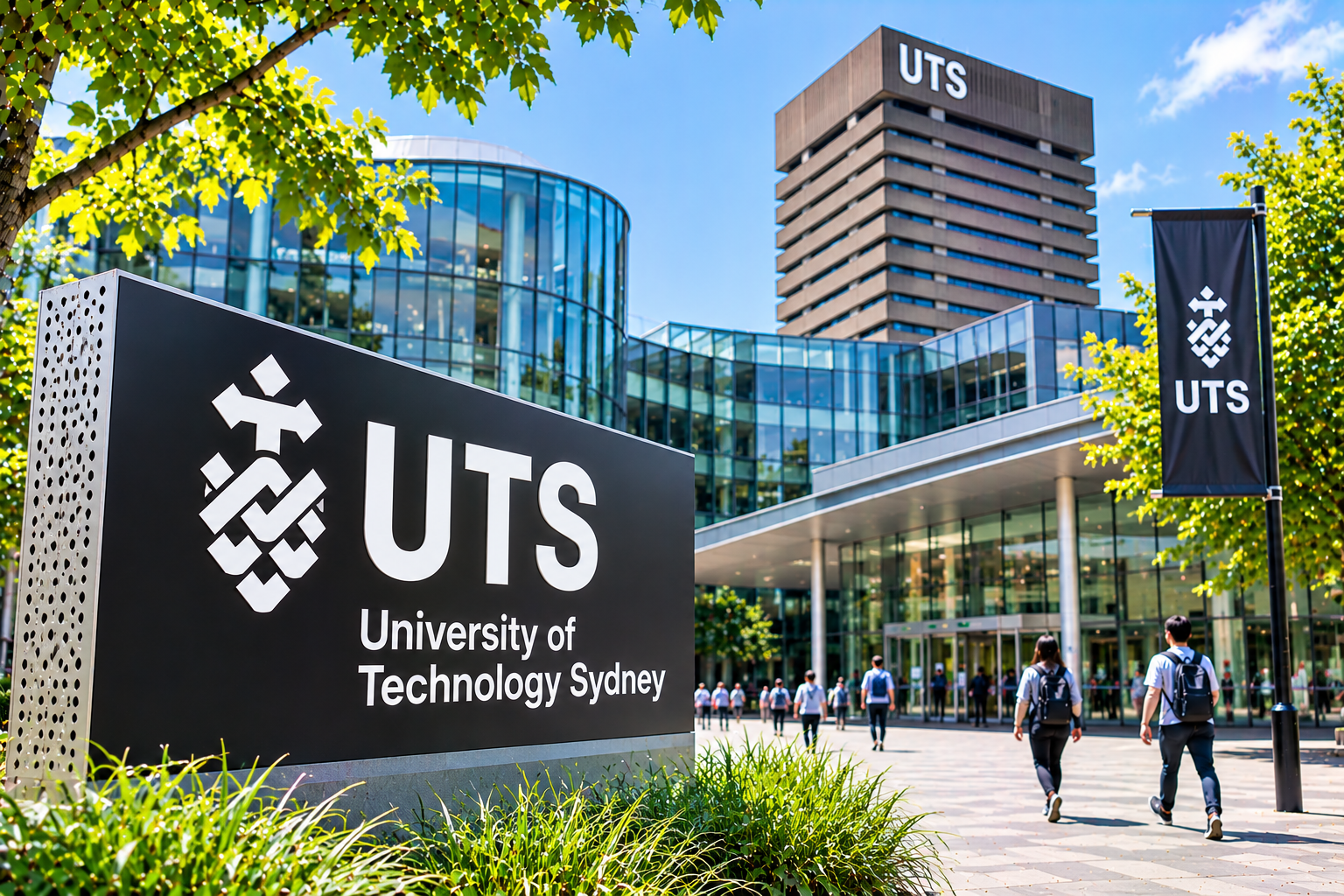
University of Technology Sydney (UTS)
Bachelor of Information Systems
Explore enterprise information systems, business processes, data management and technology solutions. Learn how information systems support complex organisations and their stakeholders.
Featured programmes are examples of Information Systems and related business technology degrees. Course titles, modules, entry requirements, intakes, accreditation and placement opportunities may vary or change. Check the latest official university information before applying.

Professional Recognition & Career Development
Information Systems careers combine technology, business knowledge, analytical thinking and communication skills. Degree accreditation, professional certifications and practical experience may support career development in business analysis, information systems management and digital transformation.
Degree Accreditation
In the UK, BCS accredits eligible computing and information systems degrees. In Australia, the Australian Computer Society (ACS) accredits eligible ICT programmes, including Information Systems. Accreditation is programme-specific and may depend on the course version, campus and period of study. It does not automatically confer professional membership, certification or employment.
Professional Certifications
Most Information Systems roles do not require a professional licence. Optional credentials such as the IIBA Entry Certificate in Business Analysis (ECBA), ISACA COBIT Foundation and relevant project management or data analytics certifications may support professional development. Certification requirements vary, and some advanced credentials require relevant work experience.
Practical Skills & Career Readiness
Business case studies, systems analysis projects, database development, data analytics and industry-related assignments can help students develop practical skills. Experience in gathering business requirements, communicating with stakeholders and designing digital solutions may support career readiness. Internships and placement opportunities vary by university and programme.
Career Opportunities
Information Systems graduates can explore careers connecting business needs with technology, data and digital solutions. Opportunities exist across technology, finance, healthcare, government, consulting and other industries. Career prospects depend on technical knowledge, business understanding, communication skills and practical experience.
Business Analysis
Analyse business processes, identify organisational needs and recommend technology solutions. Graduates may explore junior business analyst, IT business analyst or business process analyst roles.
Systems Analysis & Design
Help analyse system requirements, improve information flows and design digital solutions. Opportunities may include junior systems analyst, application analyst or systems support analyst roles.
Business Intelligence & Data Analytics
Analyse organisational data, prepare reports and develop dashboards to support decision-making. Graduates may explore junior data analyst, reporting analyst or business intelligence analyst roles.
Enterprise Systems & Applications
Support business applications and enterprise systems used in finance, operations and customer management. Opportunities may include application support analyst, ERP support analyst or junior functional consultant roles.
Digital Transformation & Technology Consulting
Help organisations evaluate digital technologies, improve business processes and implement new systems. Graduates may explore junior technology consultant, digital transformation analyst or business technology analyst roles.
IT Project Coordination & Systems Implementation
Assist with planning technology projects, coordinating stakeholders, testing systems and supporting implementation. Graduates may explore IT project coordinator, implementation analyst or project support roles.
Career pathways are examples, not guaranteed employment outcomes. Requirements vary by employer and role. Some positions may require additional technical skills, professional certifications, specialised training or relevant work experience.
Let’s plan your next step
Tell us about your qualifications and information systems study goals.
Enquire about studying information systems →
Entry requirements and available pathways vary by institution and course.