COMPUTING & TECHNOLOGY
Study Artificial Intelligence Overseas
Explore Artificial Intelligence courses, study pathways and university options overseas. Discover how AI combines computing, mathematics and data-driven techniques to develop systems that can recognise patterns, learn from data, process language and support decision-making across different industries.
What is Artificial Intelligence?
Artificial Intelligence (AI) is a field of computing focused on developing systems that can perform tasks commonly associated with human intelligence, such as recognising patterns, interpreting information, understanding language and supporting decision-making. AI technologies are used in areas including healthcare, finance, transportation, manufacturing, education and digital services.
Students develop foundations in programming, mathematics, statistics, algorithms and computer science. Depending on the programme, they may also study machine learning, deep learning, neural networks, natural language processing, computer vision, knowledge representation and intelligent systems. These subjects help students understand how AI models and systems are designed, trained, evaluated and applied.
Artificial Intelligence also involves understanding how data is collected, prepared and used to develop computational models. Students may explore supervised and unsupervised learning, model evaluation, optimisation and the limitations of AI systems. Responsible AI practices, including fairness, privacy, transparency, security and the ethical use of technology, are increasingly important considerations in AI development and deployment.
Practical learning may include developing machine learning models, analysing datasets, building AI-powered applications and testing intelligent systems. Students may use programming languages such as Python and work with machine learning frameworks, depending on the course. Laboratory exercises, software development projects and industry-related assignments can help develop analytical thinking, programming and problem-solving skills.
Artificial Intelligence overlaps with Computer Science, Data Science, Software Engineering and Robotics, but places greater emphasis on developing and applying intelligent computational systems. AI may be offered as a standalone degree or as a specialisation within Computer Science or related computing programmes. Students should compare mathematics requirements, AI-related modules, practical projects, industry opportunities and career pathways before choosing a course.
What Will You Study?
AI Foundations, Programming & Mathematics
Develop the computing and mathematical foundations used in Artificial Intelligence. Study programming, algorithms, data structures, linear algebra, probability, statistics and optimisation. Students may also explore intelligent agents, search techniques, knowledge representation and methods of solving computational problems.
Machine Learning & Deep Learning
Explore how computational models identify patterns in data and make predictions or classifications. Topics may include supervised and unsupervised learning, neural networks, deep learning, model training, evaluation and optimisation. Practical exercises may involve developing and testing machine learning models using programming tools.
Natural Language Processing & Computer Vision
Study how AI systems process and analyse language, images and other forms of information. Topics may include text analysis, language models, speech technologies, image recognition and object detection. Depending on the programme, students may also explore generative AI and applications in intelligent assistants, visual analysis and automated systems.
AI Development, Ethics & Applications
Learn how AI models are developed, evaluated and integrated into practical applications. Students may explore data preparation, model deployment, performance monitoring and responsible AI practices. Topics can include fairness, privacy, transparency, security, bias and the ethical implications of AI systems used across different industries.
These are typical study areas in Artificial Intelligence and related computing programmes. Modules, mathematical depth, programming tools, laboratory facilities and specialisations vary between universities. Topics such as generative AI, robotics, advanced deep learning or large language models may be offered as electives rather than compulsory modules. Internships, industry placements and research opportunities may be optional or subject to availability. Check the exact curriculum and entry requirements before applying.
Entry Requirements & Study Pathways
Your pathway into Artificial Intelligence depends on your qualifications, academic results, mathematics background and university entry requirements. Artificial Intelligence may be offered as a standalone degree or as a specialisation within Computer Science, Data Science, Software Engineering or related computing programmes. Foundation, diploma and credit transfer pathways may also be available.
| Your Qualification | Possible Study Pathway |
|---|---|
| Singapore O Levels | Progress through A Levels, the IB Diploma or an accepted computing, science, engineering or Information Technology-related foundation or diploma programme. Foundation studies may introduce mathematics, programming, statistics and computer science fundamentals. Students should select a pathway that provides the mathematics preparation required by their intended AI degree. Progression depends on meeting university requirements and is not automatic. |
| Singapore A Levels / IB Diploma | Direct entry into Artificial Intelligence, Computer Science with AI, Data Science or related computing degrees may be possible, depending on grades and subjects. Mathematics is required or strongly preferred by many AI-focused programmes, particularly those involving advanced machine learning and mathematical modelling. Some universities specify particular A Level mathematics subjects or IB Mathematics courses and levels. Previous programming or AI experience is not always necessary. |
| Polytechnic Diploma | Relevant diplomas in Artificial Intelligence, Applied AI, Computer Science, Information Technology, Data Science, Software Engineering, Computer Engineering or related fields may qualify for admission. Universities may assess GPA, mathematics preparation, programming knowledge and diploma module content. Credit transfer or advanced entry may be considered following individual assessment, but is not guaranteed. |
| Bachelor’s Degree | Graduates may consider postgraduate studies in Artificial Intelligence, Machine Learning, Data Science, Intelligent Systems, Computer Science or related disciplines. Some programmes require a degree in computing, mathematics, engineering or another quantitative field. Others may offer conversion pathways for graduates from different disciplines, although additional mathematics, statistics or programming preparation may be necessary. |
Additional Admission Requirements
Universities may require specific mathematics qualifications, English language proficiency or supporting documents. AI-focused degrees may have additional prerequisites in mathematics, statistics or computing, with requirements varying by programme. Credit transfer applicants may need academic transcripts and detailed module descriptions. Check course-specific entry requirements, AI specialisations, mathematical content, programming modules, laboratory facilities, research opportunities and internship or placement options before applying.
Featured Universities
Explore selected universities in the United Kingdom and Australia offering Artificial Intelligence degrees or AI specialisations within Computer Science. Programme structures, entry requirements and study opportunities vary between universities.

Newcastle University
United Kingdom
Artificial Intelligence BSc Honours
This dedicated Artificial Intelligence degree combines programming, mathematics, statistics and data science with machine learning, deep learning, generative AI and natural language processing. Students also explore responsible AI and apply their knowledge through practical projects and industry-related learning.
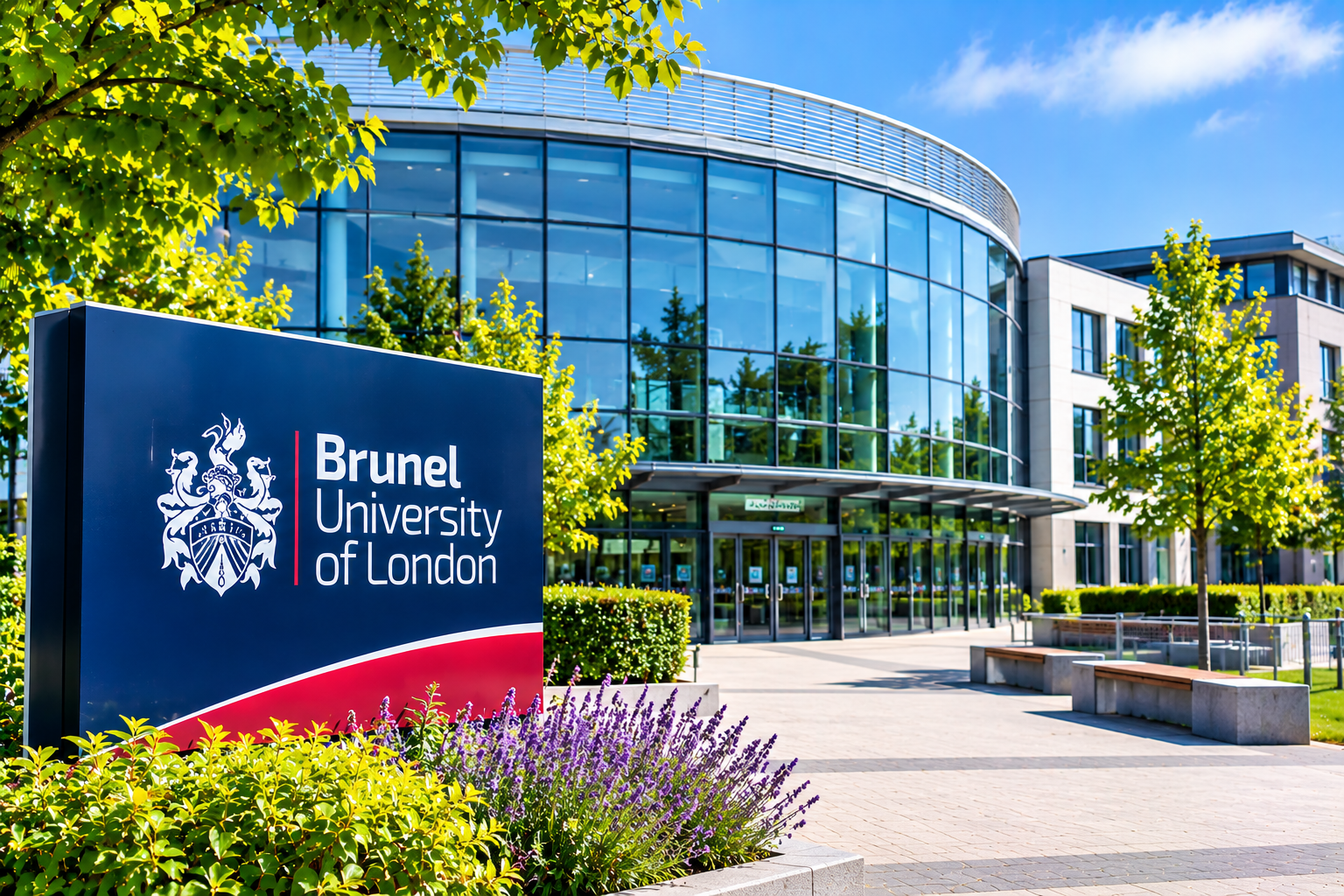
Brunel University of London
United Kingdom
BSc (Hons) Artificial Intelligence
Brunel’s Artificial Intelligence degree develops foundations in computing, mathematics and AI algorithms. Students explore machine learning, deep learning, generative AI and responsible AI, supported by practical laboratory learning and a final-year AI project. An optional industry placement year is available.
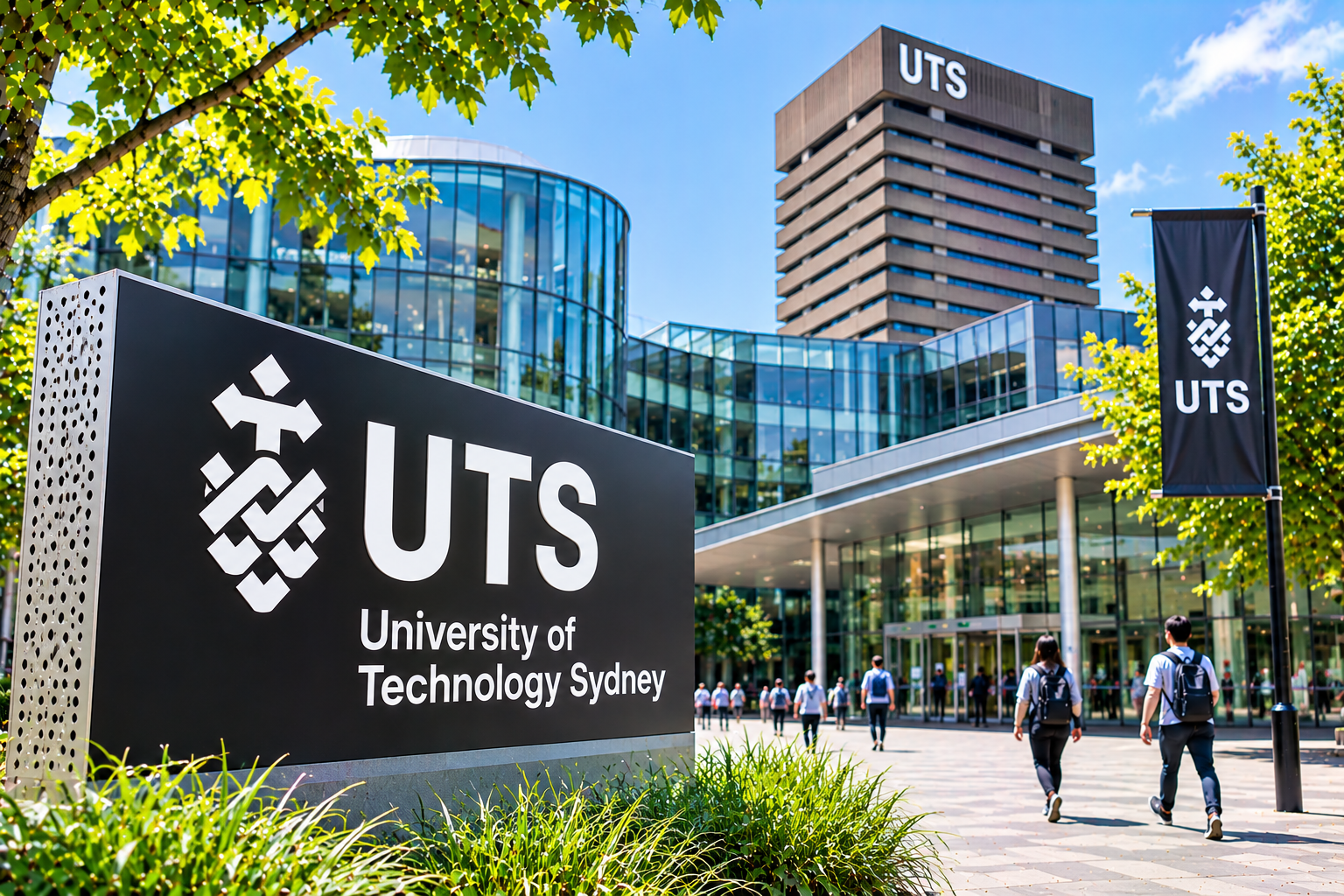
University of Technology Sydney (UTS)
Australia
Bachelor of Artificial Intelligence
UTS offers a dedicated Artificial Intelligence degree focused on developing practical knowledge and skills in AI technologies. Students build computing and AI capabilities through technical learning and projects. The university offers a standard study pathway and an industry-linked cadetship option, subject to eligibility and availability.

The University of Queensland (UQ)
Australia
Bachelor of Computer Science – Artificial Intelligence Major
UQ offers Artificial Intelligence as a major within its Bachelor of Computer Science. Students develop foundations in computing, mathematics and data while studying intelligent systems, machine learning, reasoning and AI applications. The major also addresses responsible AI, including fairness, transparency and the social impact of intelligent technologies.
Looking for Other University Options?
Artificial Intelligence can be studied through dedicated AI degrees or specialisations within Computer Science and related programmes. UniGlobal Education can help you explore suitable universities and study pathways based on your qualifications, academic interests and future goals.
Explore Your Study OptionsThe universities listed are selected examples and do not represent an exhaustive list. Programme titles, modules, entry requirements, fees, intakes and placement opportunities may change. Industry-linked pathways and placements may have separate eligibility requirements and are not guaranteed. Always refer to the university’s official course information before applying.
Professional Recognition & Career Development
Artificial Intelligence careers combine knowledge of programming, mathematics, statistics, machine learning, data analysis and software development. Degree accreditation, industry certifications and practical experience may support career development in AI engineering, machine learning, intelligent systems and related computing roles. Professional expectations vary according to the employer, country, industry and technical responsibilities of the position.
Degree Accreditation
In the United Kingdom, BCS, The Chartered Institute for IT, accredits eligible computing degree programmes against its published standards. In Australia, the Australian Computer Society (ACS) accredits eligible Information Technology and computing programmes. These may include Artificial Intelligence degrees or Computer Science programmes offering AI majors or specialisations. Accreditation applies to specific programmes and, where relevant, particular campuses, delivery arrangements or study periods. Students should verify the accreditation status of their chosen qualification directly with the university and relevant professional body. Completing an accredited degree does not automatically confer professional certification, Chartered IT Professional status or employment eligibility. AI roles generally do not require a single universal professional licence, although particular industries and responsibilities may be subject to additional requirements.
Professional Certifications
Industry certifications may help demonstrate knowledge of AI technologies, machine learning and particular development platforms. Microsoft offers credentials covering Azure AI services and related technologies. Amazon Web Services (AWS) offers certifications in AI, machine learning and cloud-based technologies, while Google Cloud provides certifications covering machine learning engineering and related cloud capabilities. These qualifications are separate from university degrees and have their own examinations, recommended experience, validity periods and renewal requirements. Certification titles and availability may change as AI technologies develop. Students may begin with foundational AI knowledge before progressing to more specialised certifications as their programming skills, technical understanding and practical experience develop.
Practical Skills & Career Readiness
Practical projects, programming laboratories and industry-related assignments can help students develop skills in preparing datasets, building machine learning models, evaluating AI performance and developing intelligent applications. Experience with Python, statistical analysis, machine learning frameworks, data processing, software development and model deployment may further support career readiness. Understanding responsible AI practices, including data privacy, fairness, bias, transparency, security and model reliability, is also important. Internships, industry placements, research projects and access to specialised AI computing resources vary by university and programme. Entry-level opportunities may include software development, data analysis or junior AI-related positions, while specialised machine learning engineering, AI research and advanced model development roles may require additional experience or postgraduate qualifications.
Career Opportunities
Artificial Intelligence graduates can explore careers involving the development, testing, deployment and application of intelligent computing systems. Opportunities may exist in technology companies, financial institutions, healthcare organisations, manufacturing, consulting firms, research organisations and government agencies. Career prospects depend on programming ability, mathematical knowledge, practical AI experience, technical specialisation and employer-specific requirements.
Artificial Intelligence Engineering
Contribute to the development, testing and integration of AI models and intelligent applications. Work may involve programming, preparing data, evaluating model performance and incorporating AI capabilities into software systems. Graduates with suitable technical skills may explore junior AI developer, AI software engineer or AI application development roles. Specialist AI engineering positions often require additional practical experience.
Machine Learning & Model Development
Support the development and evaluation of machine learning models used for prediction, classification and pattern recognition. Tasks may include data preparation, model training, performance testing and documentation. Graduates may explore junior machine learning developer, AI development assistant or related technical roles. Advanced machine learning engineering positions may require stronger mathematical expertise and industry experience.
Data Science & Predictive Analytics
Apply statistical analysis, programming and machine learning techniques to identify patterns and generate insights from data. Graduates may explore data analyst, junior data scientist or predictive analytics support roles, depending on their statistical and programming preparation. More advanced data science positions may require additional experience in statistical modelling, data engineering and business applications.
Natural Language Processing & Computer Vision
Help develop and evaluate systems that process language, images, video or other forms of information. Applications may include text analysis, intelligent assistants, image recognition and automated visual inspection. Graduates with relevant project experience may explore junior AI development or software engineering roles involving these technologies. Specialist positions often require advanced technical knowledge or further study.
AI Applications & Software Development
Develop software applications that incorporate AI technologies, such as recommendation systems, automated workflows and intelligent digital services. Work may involve programming, APIs, databases, software testing and integrating existing AI models or services. Graduates with suitable software development skills may explore junior software developer, AI application developer or software testing roles.
AI Solutions, Consulting & Responsible AI
Support organisations in evaluating AI technologies, identifying practical applications and implementing AI-enabled solutions. Work may include requirements analysis, testing, documentation and reviewing considerations such as privacy, fairness, transparency and model reliability. Graduates may explore technology consulting analyst, AI project support or junior technology governance roles. Specialist AI consulting and governance positions generally require further experience and relevant domain knowledge.
Career pathways are examples, not guaranteed employment outcomes. Requirements vary by employer, country, role and industry. Specialist AI engineering, machine learning, computer vision, natural language processing and AI research positions may require advanced mathematical knowledge, postgraduate qualifications, specialised training or relevant work experience. An Artificial Intelligence degree does not automatically confer professional certification or guarantee entry into a specialist AI role.
Let’s plan your next step
Tell us about your qualifications and artificial intelligence study goals.
Enquire about studying artificial intelligence →
Entry requirements and available pathways vary by institution and course.