
HEALTH & LIFE SCIENCES
Study Dentistry Overseas
Explore dentistry degrees, study pathways and university options in the UK and Australia. Discover how dental education combines scientific knowledge, practical skills and patient care to support oral health.
What is Dentistry?
Dentistry is the study and practice of preventing, diagnosing and treating conditions affecting the teeth, gums, mouth and related structures. It combines scientific knowledge, precise practical skills and clinical judgement with an understanding of each patient’s needs. Dentists help people maintain oral health, manage pain and infection, and preserve or restore functions such as chewing and speaking.
Dental education builds a foundation in anatomy, physiology, pathology, microbiology and pharmacology, alongside the structure and development of teeth and oral tissues. Students investigate how tooth decay, gum disease and other oral conditions develop. They also explore the relationships between oral health, general health, diet, medicines and everyday habits.
Clinical learning develops skills in taking medical and dental histories, examining the mouth and interpreting appropriate investigations, including dental images. Students learn to identify problems, consider treatment options and develop individualised care plans. Prevention is central to this work, including helping patients understand oral hygiene, dietary choices and ways to reduce their risk of dental disease.
Practical training introduces the materials, instruments and techniques used in dental care. Depending on the programme and stage of training, students learn about restoring damaged teeth, managing gum disease, root canal treatment, replacing missing teeth and extracting teeth where appropriate. They develop manual dexterity through simulation before providing patient care under supervision, while learning about infection prevention and safe clinical practice.
Communication, ethics and patient wellbeing are essential parts of dentistry. Students practise explaining procedures, discussing benefits and risks, obtaining informed consent and supporting people who feel anxious about treatment. They learn to recognise the limits of their competence, seek advice and refer patients when needed. Research methods and critical appraisal help them evaluate evidence and make informed clinical decisions.
Dentistry programmes may admit students after pre-university qualifications or after a previous bachelor’s degree, depending on the university. Professional qualifying degrees combine scientific study, simulation and supervised clinical experience. Completing a degree does not automatically provide permission to practise: before enrolling, check the exact qualification, awarding dental school, campus and registration requirements for your intended country of practice. Specialist dental careers require additional training and professional recognition.
What Will You Study?
Human Biology & Oral Disease
Build a foundation in anatomy, physiology, microbiology, pathology and pharmacology, with particular attention to the head, neck and oral tissues. Study tooth development, tooth decay, gum disease and other oral conditions. Explore how general health, medicines, diet and behaviour influence oral health and dental care.
Dental Assessment & Treatment Planning
Develop skills in taking medical and dental histories, examining teeth and oral tissues, and interpreting dental images and other investigations. Learn to identify problems, assess risk and plan care according to each patient’s needs. Explore prevention, pain management, treatment choices and when specialist advice or referral is needed.
Dental Materials & Practical Techniques
Explore the properties and uses of materials for fillings, crowns, dentures and other dental treatments. Develop manual dexterity and practical skills through simulation, learning techniques relevant to restorative dentistry, gum care, root canal treatment and oral surgery. Study instrument handling, infection prevention and safe working practices.
Supervised Patient Care & Professional Practice
Apply your learning through supervised clinical experience, building assessment, treatment and communication skills. Learn to explain procedures, obtain informed consent, support anxious patients and maintain accurate records. Explore ethics, dental public health and research evidence while developing teamwork and recognising the limits of your competence.
These are typical study areas for professional qualifying dentistry programmes. Subjects, simulation facilities, patient experience and clinical arrangements vary by university and programme. Exposure to a specialty during a degree does not confer specialist status. Check the registration requirements for your intended country of practice.
Entry Requirements & Study Pathways
Entry to dentistry is competitive. Your options depend on your academic qualifications, science subjects and the dental school’s selection requirements. Check whether your intended programme accepts international applicants and offers undergraduate, provisional or graduate-entry pathways.
| Your Qualification | Possible Study Pathway |
|---|---|
| Singapore O Levels | Further study through A Levels, the IB Diploma or a specifically accepted foundation programme may help you meet dentistry entry requirements. Confirm that your intended dental school accepts the exact qualification and science subjects. A general science foundation does not automatically provide access to dentistry, and progression may involve additional selection. |
| Singapore A Levels / IB Diploma | You may be eligible to apply for undergraduate dentistry or a school-leaver provisional pathway where available. Check the required grades and subject combination, particularly chemistry, biology and any other specified subjects. Selection may include an admissions test and interview. Meeting minimum requirements does not guarantee an interview or offer. |
| Polytechnic Diploma | Acceptance of Singapore polytechnic diplomas varies between dental schools. Confirm whether your exact diploma, GPA and previous subjects meet the entry requirements, and whether prior tertiary study affects your application route. A related science or health diploma should not be assumed to provide advanced entry or credit towards a dentistry degree. |
| Bachelor’s Degree | Graduate-entry dentistry programmes may be available to applicants with a previous degree. Requirements can include academic results, prerequisite subjects, an admissions test and an interview. Check that the programme provides an initial professional dental qualification: postgraduate courses for already-qualified dentists serve a different purpose. A biomedical or oral health degree does not automatically lead to dentistry. |
Additional Admission Requirements
Check admissions tests, English language requirements, references, interviews and application deadlines for your exact course and intake. International applicants may follow a different selection process. Health screening, vaccination evidence and background checks may be required for clinical training. Review practical participation requirements and discuss support needs with the university. Before enrolling, check the exact dental qualification, awarding institution and campus against the registration requirements of your intended country of practice.
Featured Universities
Explore these UK and Australian universities offering professional dentistry degrees listed in Singapore’s Dental Registration Act Schedule. Compare their course structure, clinical learning and international entry requirements alongside the Singapore Dental Council’s registration conditions.
United Kingdom
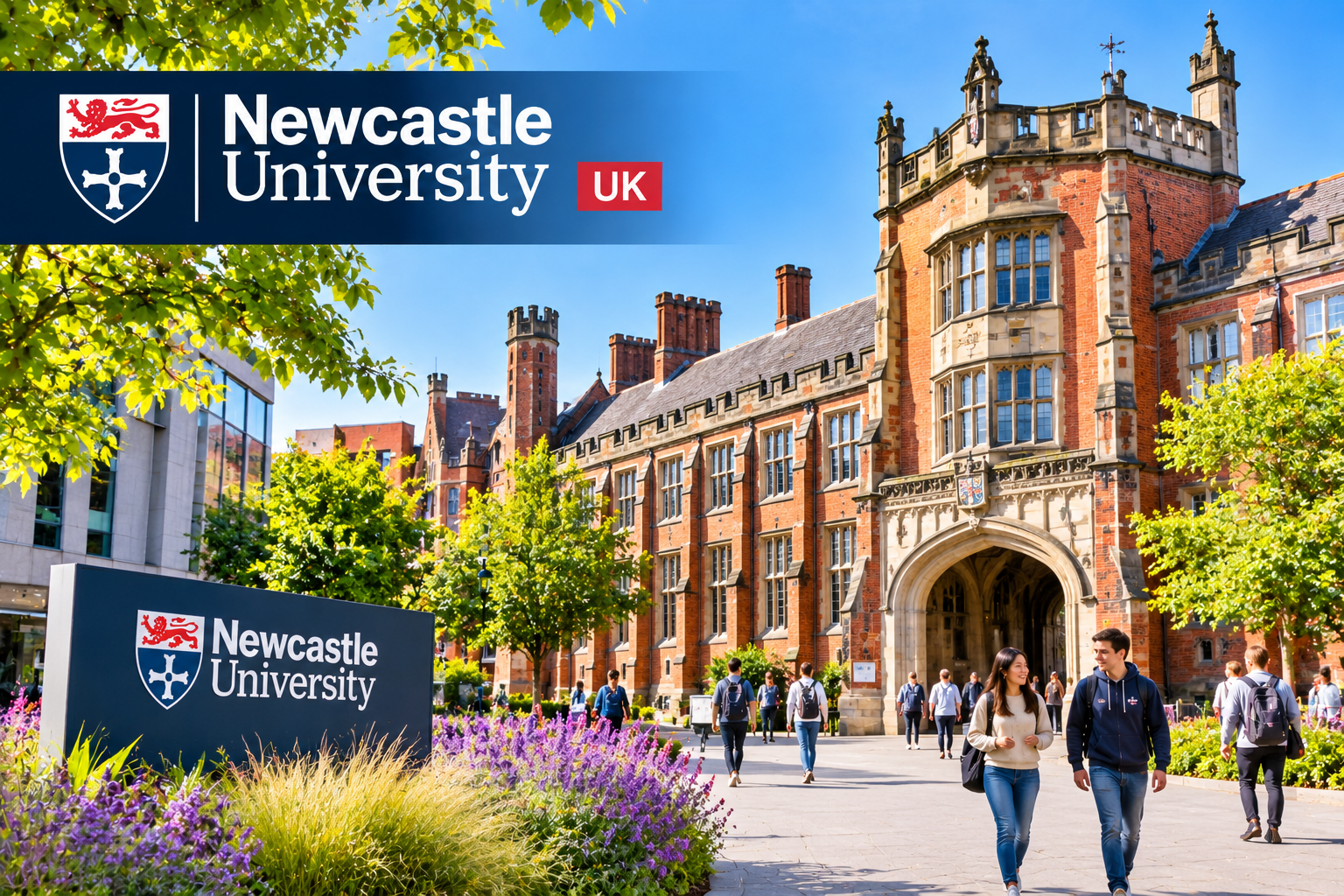
Newcastle University
Dental Surgery BDS
Study the scientific foundations of dentistry alongside practical skills and clinical learning. Explore the assessment, prevention and treatment of oral disease while developing communication and professional judgement. Check the current academic, admissions test and interview requirements for international applicants.
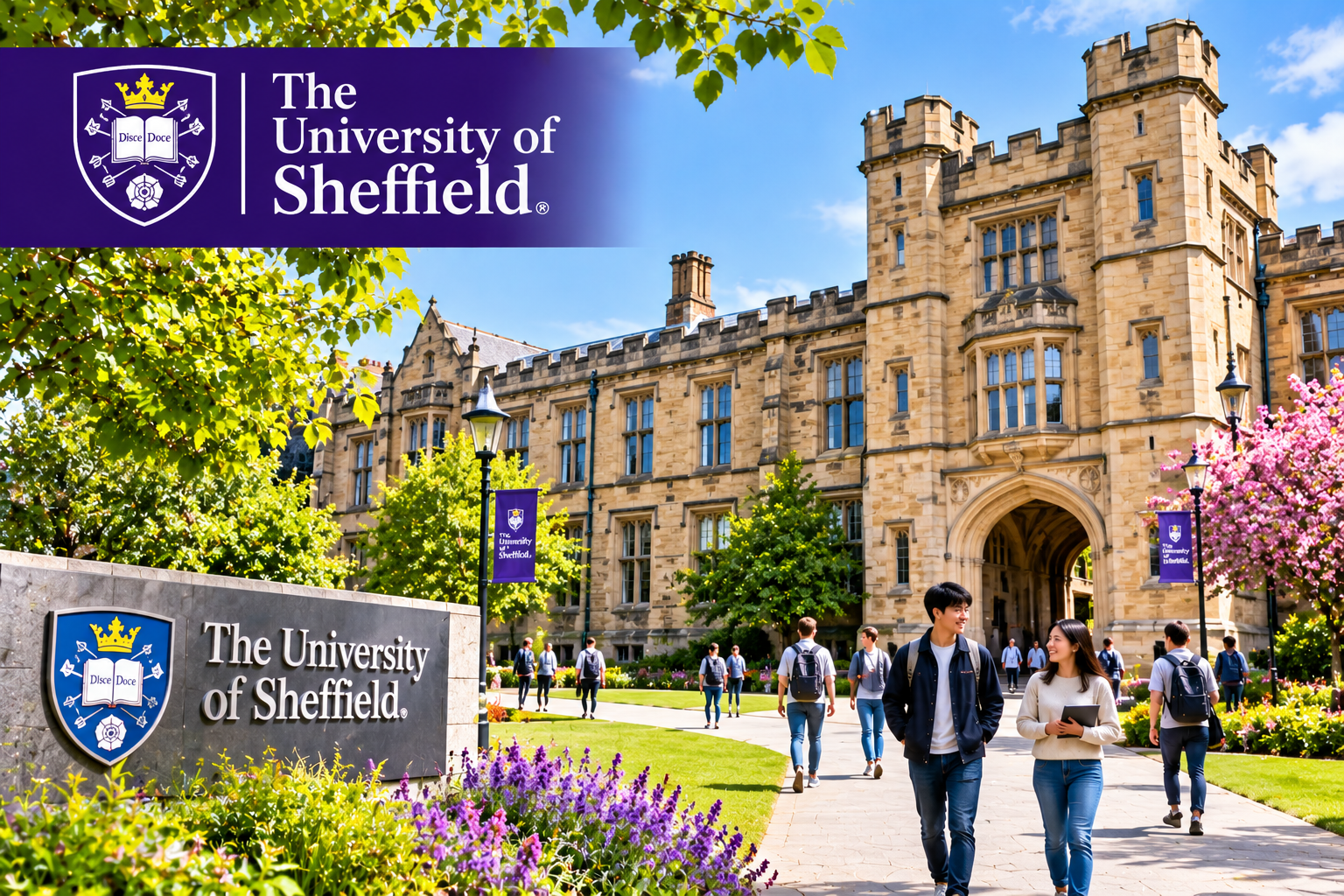
University of Sheffield
Dental Surgery BDS
Combine dental science, simulated learning and supervised patient care. Develop skills in diagnosing dental conditions, planning treatment and promoting oral health within a healthcare team. Admission is competitive, so review the selection process and requirements for your intended intake.
Australia
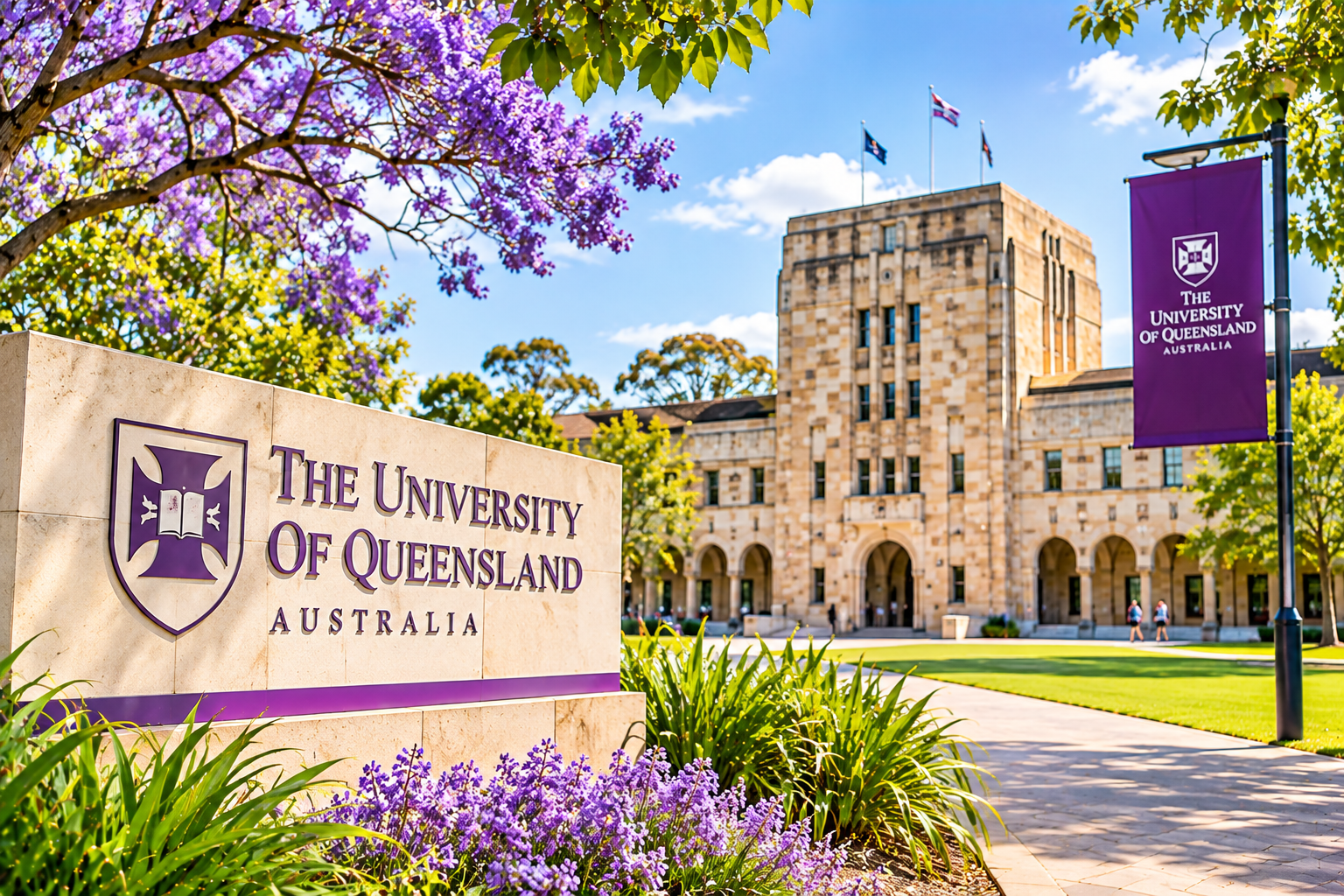
University of Queensland
Bachelor of Dental Science (Honours)
Build scientific knowledge and practical clinical skills through a professional dentistry programme. Study oral health, disease prevention and patient care while developing the ability to assess and manage dental conditions. Check international applicant prerequisites, selection requirements and clinical placement arrangements.
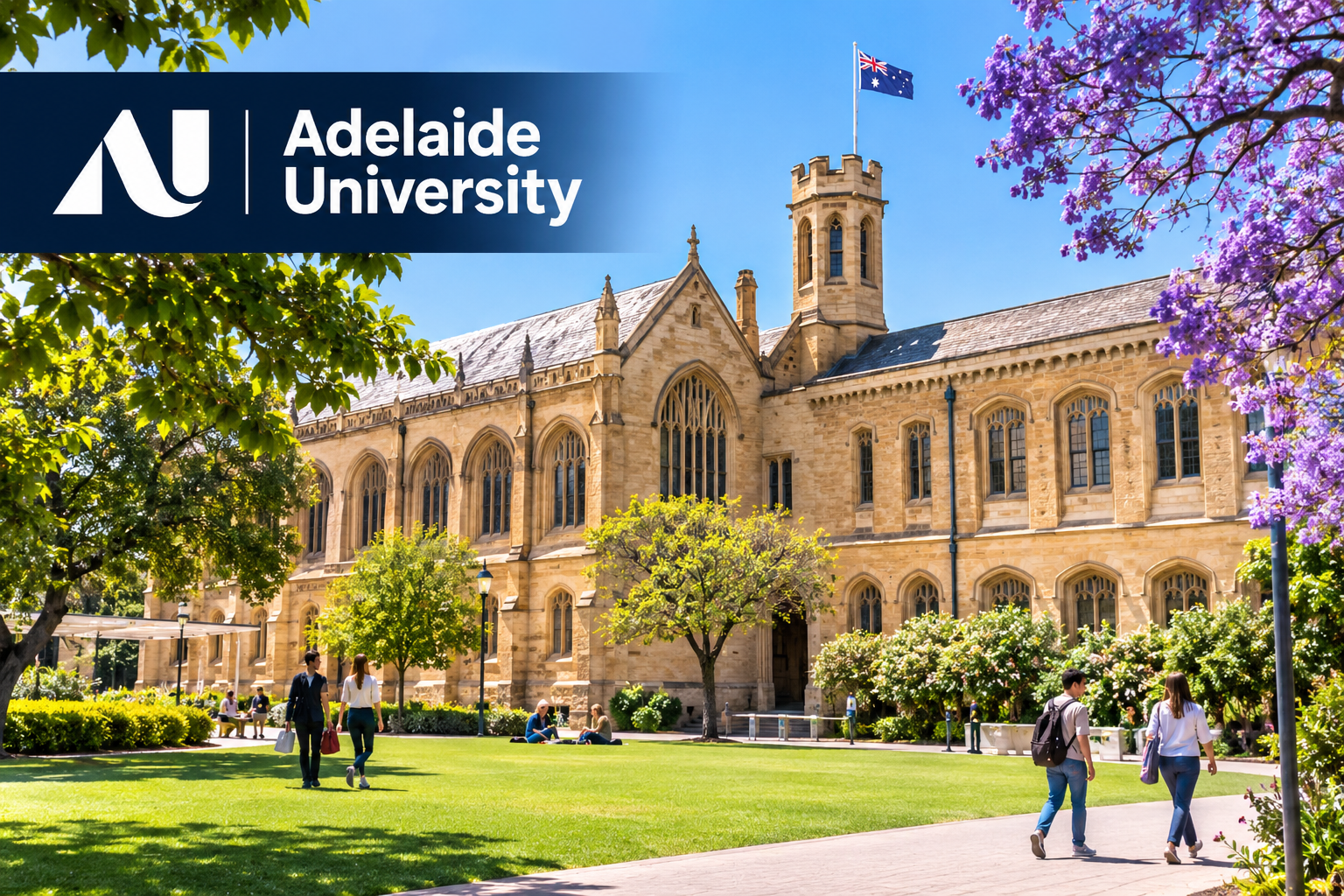
Adelaide University
Bachelor of Dental Surgery
Explore dentistry through scientific study, practical training and supervised clinical learning, with an emphasis on preventive and patient-centred oral healthcare. International applicants should review the university’s specific application process, selection requirements and deadlines for their intended intake.
Planning to Practise in Singapore?
Check the exact dental school and qualification against the Singapore Dental Council’s published Schedule and accompanying guidance. A listed qualification does not automatically grant registration or permission to practise in Singapore.
From 1 January 2029, overseas-trained dentists holding qualifications from universities in the revised Schedule must take and pass SDC’s Qualifying Examination before being considered for conditional registration. Other registration requirements also apply. Students enrolling now should consider this requirement when planning their studies and return to Singapore.
Check Official SDC Requirements ↗Looking for Other University Options?
Every student is different. Speak with UniGlobal Education about your qualifications, preferred destination and career goals to explore suitable dentistry options and the requirements you should check before applying.
Enquire NowProfessional Registration in Singapore

Planning to return to Singapore as a dentist? Review the Singapore Dental Council’s (SDC) qualification, examination and registration requirements before choosing an overseas programme.
Overseas Dental Qualifications & SDC Requirements
Check the dental school and qualification against the Dental Registration Act Schedule. A listed degree does not automatically grant registration.
From 1 January 2029, overseas-trained dentists with qualifications in the revised Schedule must pass SDC’s Qualifying Examination before being considered for conditional registration. Students enrolling now should plan for this requirement.
Other requirements include approved employment in Singapore, suitable knowledge and experience, and applicable licensing examinations in the country of qualification.
Conditional registration involves supervised practice and SDC-imposed conditions. Conversion to full registration requires Council approval.
Ask SDC about any uncertainty concerning the awarding institution, qualification or training arrangements. Recheck the latest guidance before enrolling and before returning to Singapore.
Career Opportunities
Dentistry can lead to careers in clinical care, public health, research and education. Graduates must meet the registration and practising requirements of their intended country before treating patients. Career progression depends on clinical experience, professional development and any additional qualifications required for the role.
General Dental Practice
Provide preventive care, assess oral health concerns and treat common dental conditions in public or private settings. Work may include examinations, fillings, gum care and other treatments within your competence. Help patients understand their options, maintain oral hygiene and access specialist care when needed.
Hospital & Special Care Dentistry
Work within dental and wider healthcare teams caring for patients with complex oral health or medical needs. Depending on your role and training, support people whose disabilities, health conditions or other circumstances affect access to dental treatment. Some positions require additional clinical experience or postgraduate training.
Specialist Dental Practice
With further training and the required professional recognition, develop expertise in areas such as orthodontics, endodontics, periodontics, prosthodontics or paediatric dentistry. Specialist work involves advanced assessment and management within a particular field. Completing a general dentistry degree does not confer specialist status.
Community Oral Health & Prevention
Support programmes that improve oral health and access to care across communities. Work may involve preventive services, oral health education, outreach and evaluating community needs. Roles focused on population health, programme planning or policy may require further study in dental public health or related subjects.
Dental Research & Education
Investigate oral diseases, dental materials, treatment outcomes and ways to improve patient care. With suitable experience, contribute to teaching dental students and supporting clinical training. Academic careers may combine patient care, research and education, with postgraduate research degrees or teaching qualifications needed for some positions.
Dental Leadership & Innovation
With experience and additional skills, explore clinical leadership, service improvement, practice management or dental industry roles. Apply clinical knowledge to improving patient safety, evaluating digital dentistry tools or supporting product development. Responsibilities may require expertise in management, technology, research or regulatory requirements.
These are examples of career directions rather than guaranteed outcomes. Registration, practising conditions and specialist recognition vary by country. Some roles require additional experience, examinations or postgraduate training. Check the requirements for your intended career and country of practice.
Let’s plan your next step
Tell us about your qualifications and dentistry study goals.
Enquire about studying dentistry →
Entry requirements and available pathways vary by institution and course.