
HEALTH & LIFE SCIENCES
Study Dietetics Overseas
Explore dietetics degrees, study pathways and university options in the UK and Australia. Discover how dietetics combines nutrition science with practical patient care to support health and manage medical conditions.
What is Dietetics?
Dietetics applies the science of food and nutrition to supporting health, preventing nutrition-related problems and managing medical conditions. It combines knowledge of the human body with practical assessment, communication and care planning. Dietitians help people make appropriate dietary changes while considering their health needs, preferences, culture and everyday circumstances.
Dietetics education builds a foundation in anatomy, physiology, biochemistry, food science and nutrition. Students explore how the body digests food, absorbs nutrients and uses energy, alongside how illness can affect nutritional needs. They learn about nutrition across different stages of life and the relationships between diet, health and disease.
A central part of dietetic practice is assessing nutritional needs. Students learn to gather information about food intake, weight changes, medical history and other relevant clinical findings. They use this information to identify nutrition problems, agree realistic goals and develop individualised care plans. Follow-up helps evaluate progress and adapt recommendations as a person’s needs change.
Clinical dietetics explores how nutrition can support the management of conditions such as diabetes, kidney disease, digestive disorders and malnutrition. Depending on the programme, students also learn about nutritional supplements and feeding support for people who cannot meet their needs through their usual diet. This work involves collaboration with doctors, nurses, pharmacists and other healthcare professionals.
Dietetics extends beyond individual consultations to community nutrition, public health and food service management. Students may explore how to plan nutritionally appropriate menus, improve access to suitable food and evaluate nutrition programmes. Practical training combines case studies, communication activities and supervised placements, helping students apply scientific evidence sensitively and develop professional judgement.
Dietetics and nutrition are closely related, but a general nutrition degree does not automatically provide the professional training needed to become a dietitian. Professional qualifying dietetics programmes include assessed practical training and may be offered at undergraduate or postgraduate level. Before enrolling, check the exact course, its professional accreditation and the registration or credential requirements of the country where you intend to work.
What Will You Study?
Human Biology & Nutrition Science
Build a foundation in anatomy, physiology and biochemistry. Explore digestion, metabolism and how the body uses nutrients, alongside nutritional needs across different stages of life. Study how illness affects nutritional status and how scientific evidence informs dietary recommendations.
Nutritional Assessment & Clinical Dietetics
Learn to assess dietary intake, weight changes, clinical information and other factors affecting nutritional needs. Develop skills in identifying nutrition problems, planning care and evaluating progress. Explore dietary management of conditions such as diabetes, kidney disease and malnutrition, including nutrition support where appropriate.
Food Service & Community Nutrition
Explore how food systems, menu planning and food service management can meet the nutritional needs of different groups. Study public health nutrition, health promotion and factors influencing food access and dietary choices. Learn to plan and evaluate programmes that support healthier communities while considering cultural and practical needs.
Counselling & Supervised Practice
Develop communication and behaviour-change skills to help people make realistic dietary changes. Practise shared goal-setting, accurate documentation and respectful, person-centred care. Apply your learning through supervised placements, while building teamwork, ethical judgement and the ability to critically evaluate nutrition research.
These are typical study areas for professional qualifying dietetics programmes. Subjects, research projects and placement arrangements vary by university and programme. A general nutrition degree does not automatically qualify graduates as dietitians. Check professional accreditation and the requirements for your intended country of practice.
Entry Requirements & Study Pathways
Your pathway into dietetics depends on your academic qualifications, science background and the requirements of your chosen university. Check that your intended programme provides professional dietetic training, including assessed placements, rather than assuming that a general nutrition degree qualifies you to become a dietitian.
| Your Qualification | Possible Study Pathway |
|---|---|
| Singapore O Levels | Further study through A Levels, the IB Diploma or an accepted foundation or diploma programme may help you meet undergraduate entry requirements. Confirm that the pathway allows progression to your intended professional dietetics programme, including the required science subjects, grades and any additional selection conditions. |
| Singapore A Levels / IB Diploma | You may be eligible for direct entry into an undergraduate dietetics programme, depending on your results and subject combination. Check requirements for chemistry, biology and any other accepted subjects, alongside English language and interview requirements. Confirm that the course leads to the professional outcome you need. |
| Polytechnic Diploma | Your application will be assessed against the university’s requirements, including your diploma discipline, GPA and relevant modules. Provide details of nutrition, biochemistry, physiology, food science and research studies where relevant. Credit transfer or advanced entry is assessed individually and should not be assumed, particularly for professional subjects and placements. |
| Bachelor’s Degree | Graduates can explore qualifying postgraduate dietetics programmes where available. Admission may require specific university-level study in areas such as biochemistry, physiology and nutrition, as well as suitable academic results. Check prerequisite modules carefully: a nutrition degree does not automatically guarantee entry. Distinguish entry-to-practice courses from advanced programmes intended for already-qualified dietitians. |
Additional Admission Requirements
Depending on the programme, you may need evidence of English language proficiency, references, a personal statement or an interview. Postgraduate applicants may need detailed module descriptions to demonstrate prerequisite knowledge. Health screening, vaccination evidence and background checks may be required for placements. Check international student eligibility, placement locations and additional costs, and review professional accreditation and the requirements for your intended country of practice before enrolling.
Featured Universities
Explore professional qualifying dietetics programmes in the UK and Australia. Compare their scientific teaching, practical learning and supervised placements, alongside professional accreditation and the requirements of your intended country of practice.
United Kingdom
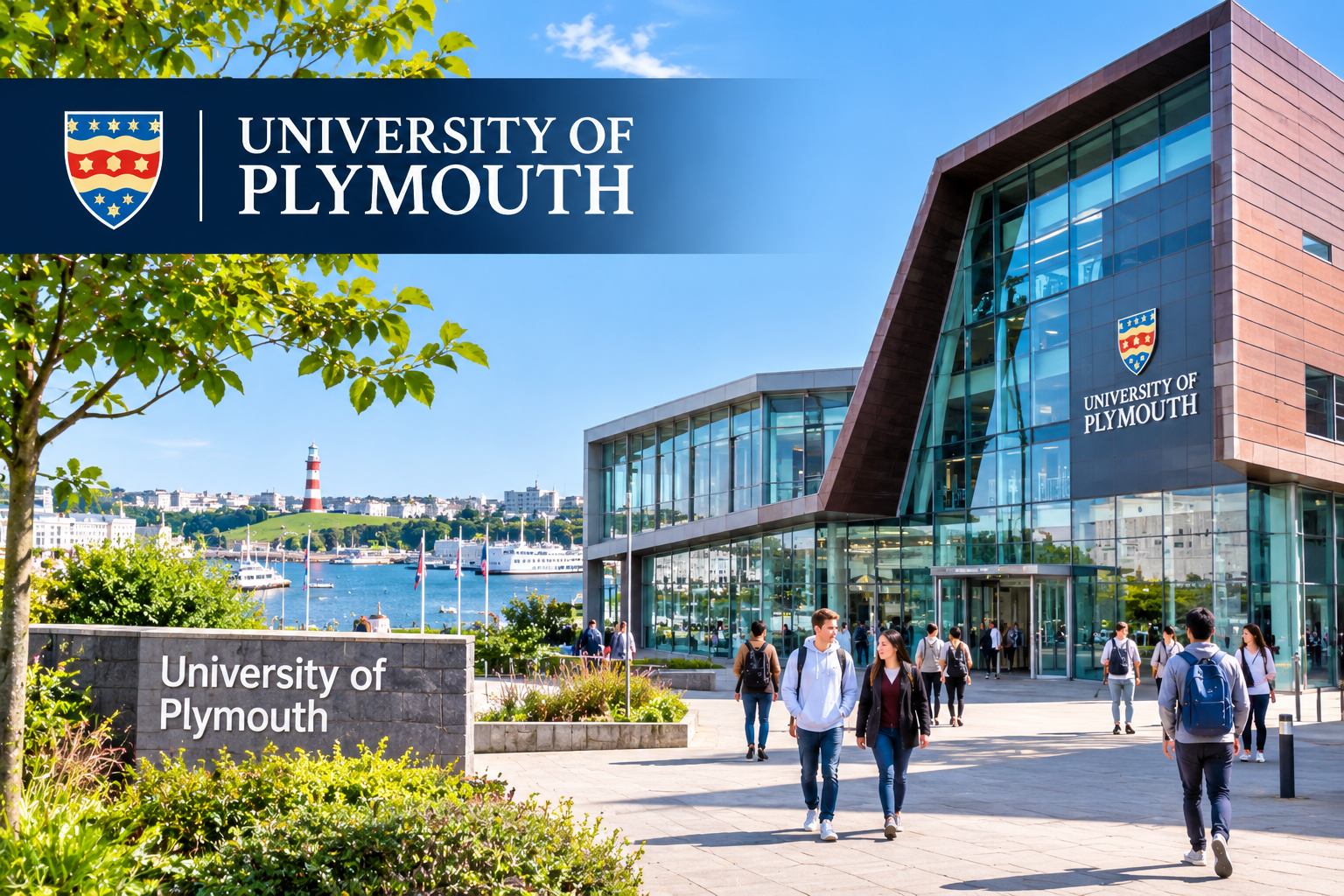
University of Plymouth
BSc (Hons) Dietetics
Combine nutrition science with practical assessment, communication and dietetic care. Develop professional skills through university learning and supervised placements. The programme is HCPC-approved and BDA-accredited, providing a qualifying route towards applying for UK dietitian registration.
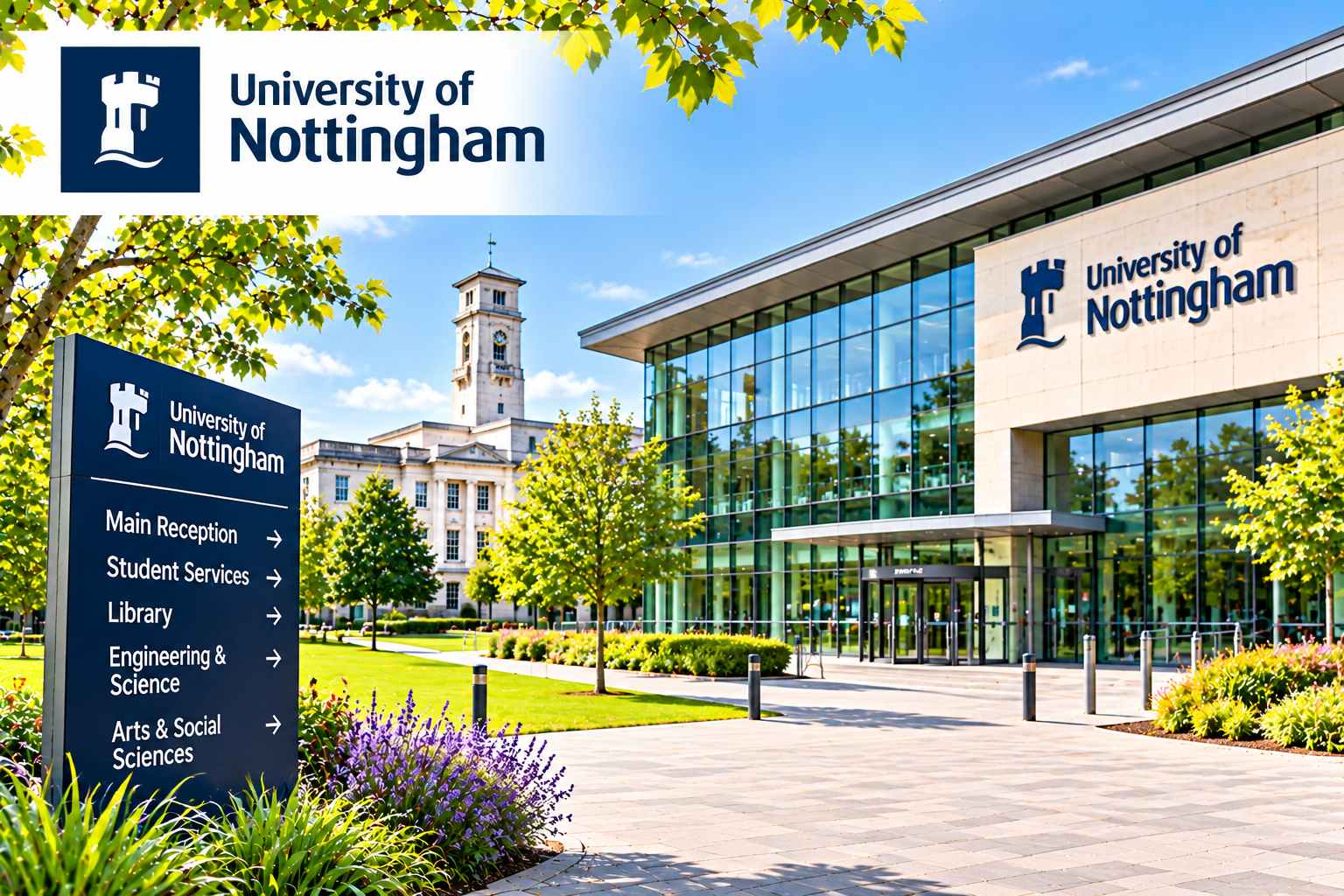
University of Nottingham
Master of Nutrition and Dietetics — MNutr
Study nutrition and clinical dietetics through an undergraduate integrated master’s programme. Connect scientific learning with professional practice and supervised placements. The programme is HCPC-approved and BDA-accredited. This is an undergraduate entry route rather than a postgraduate conversion course.
Australia
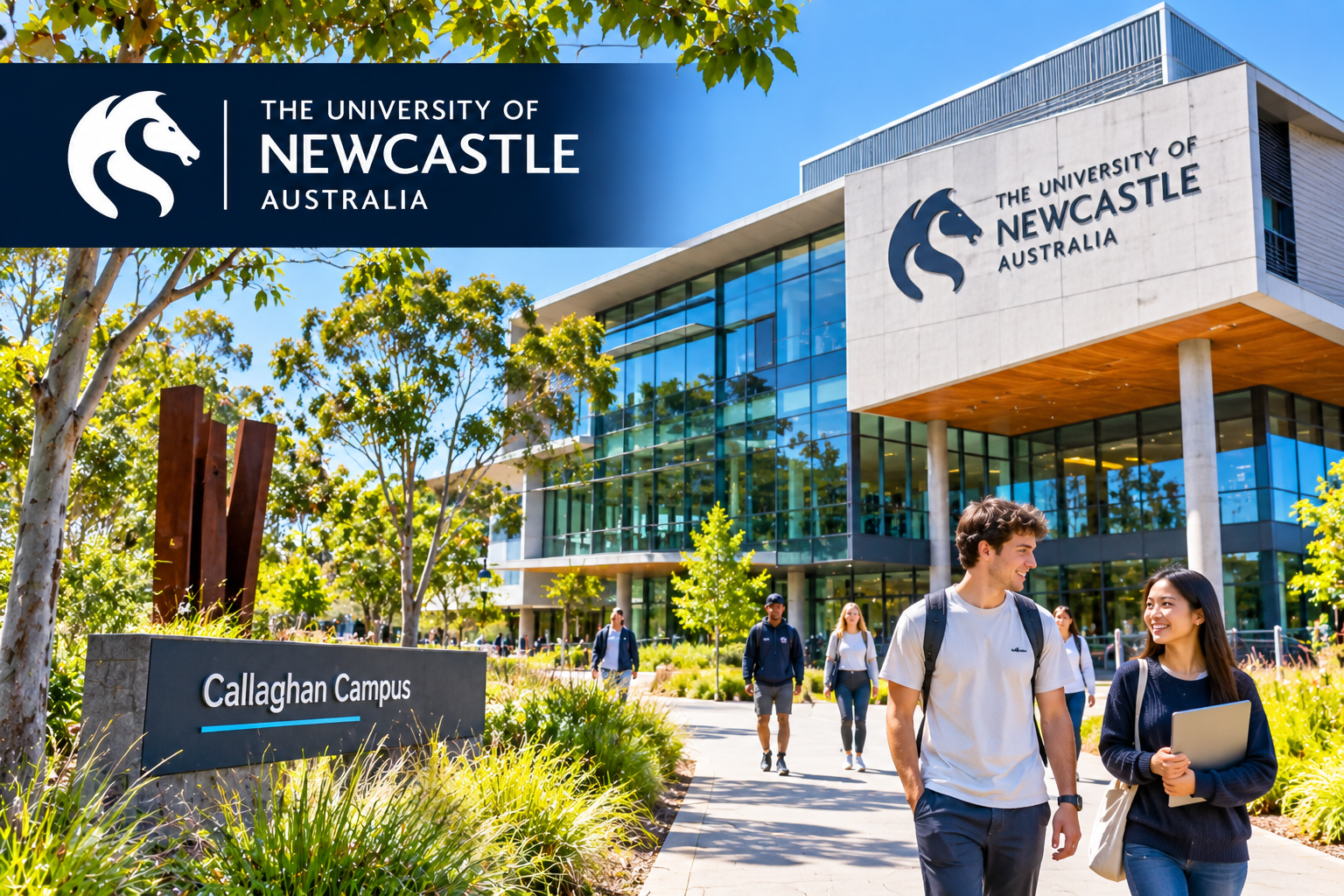
University of Newcastle
Bachelor of Nutrition and Dietetics (Honours)
Build knowledge in nutrition and dietetic practice through scientific study and practical learning. Develop skills relevant to individual care, community nutrition and food service. The programme is accredited by Dietitians Australia, enabling eligible graduates to apply to join its Accredited Practising Dietitian programme.
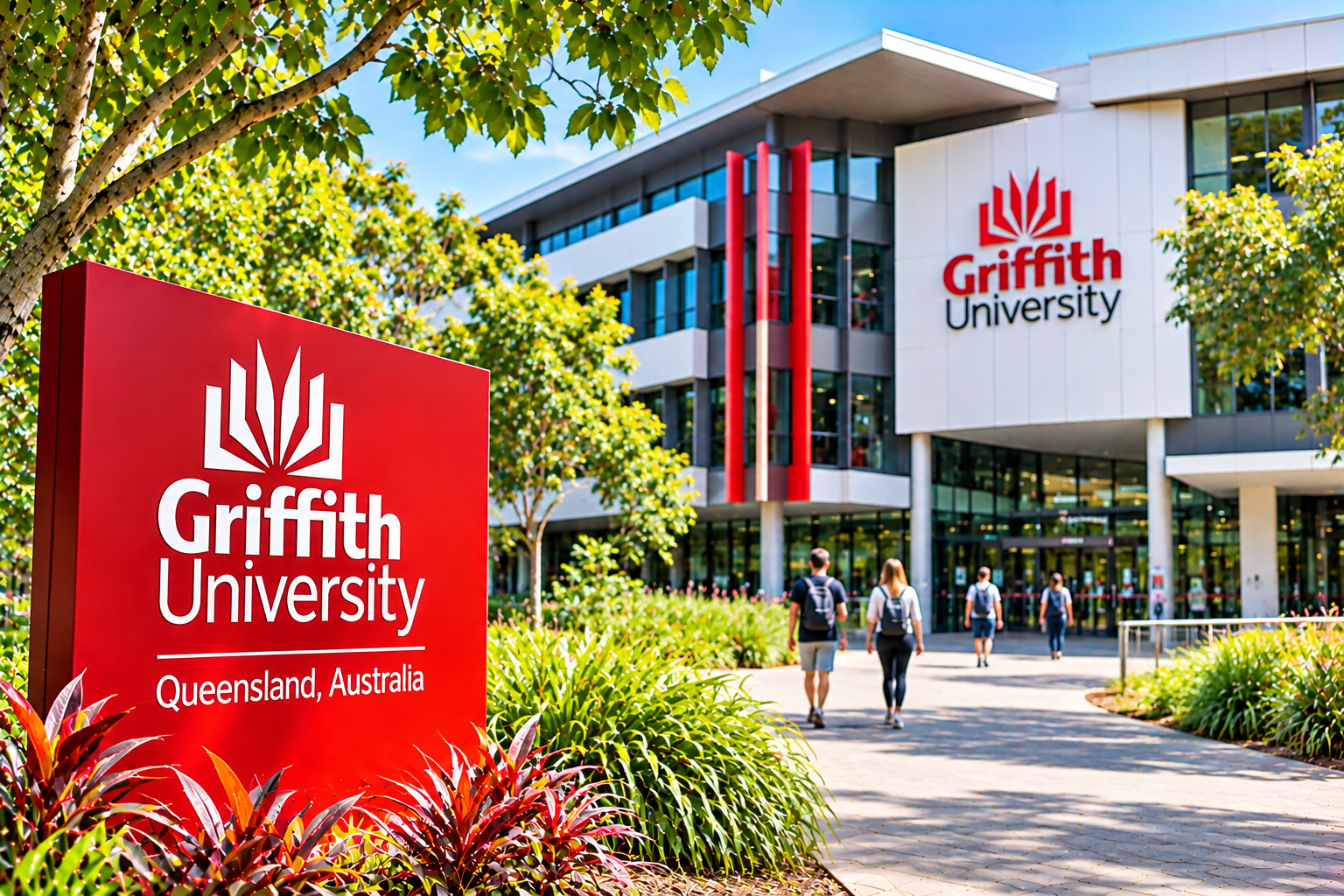
Griffith University
Bachelor of Nutrition and Dietetics (Honours)
Combine nutrition science with practical learning in dietetic assessment, counselling and professional care. Develop skills through hands-on activities and supervised practice. The programme is accredited by Dietitians Australia. Check international entry requirements, placement arrangements and any additional costs for your intended intake.
Planning to Work in Singapore?
Dietetics is not currently subject to statutory professional registration in Singapore. The Singapore Nutrition and Dietetics Association (SNDA) offers voluntary professional accreditation, which involves assessment of relevant qualifications and other requirements.
Overseas programme approval or accreditation does not automatically confirm SNDA accreditation or employment in Singapore. Before enrolling, check your exact qualification and supervised placement training with SNDA and prospective employers. Choose a professional qualifying dietetics programme rather than assuming that a general nutrition degree provides the same outcome.
View SNDA Qualification Guidance ↗Looking for Other University Options?
Every student is different. Speak with UniGlobal Education about your qualifications, preferred destination and career goals to explore undergraduate and qualifying postgraduate dietetics options.
Enquire NowCareer Opportunities

Dietetics graduates can explore careers in clinical care, community health, food services, research and education. Dietitians apply nutrition science to practical needs, helping individuals and communities improve health. Opportunities depend on professional qualifications, supervised training, experience and the requirements of individual employers.
Hospital & Clinical Dietetics
Assess nutritional needs and develop care plans for patients with illnesses or difficulties meeting their nutrition requirements. Work with healthcare teams to support dietary treatment, monitor progress and plan continuing care. Specialist areas such as renal care, oncology and paediatrics may require further training and clinical experience.
Community & Primary Care
Support people managing long-term conditions or making dietary changes through clinics, community services and home-based care. Provide individualised advice that considers culture, preferences, food access and daily routines. Collaborate with other professionals to help people maintain appropriate nutrition beyond hospital settings.
Public Health & Nutrition Programmes
Help plan, deliver and evaluate programmes that improve nutrition across communities. Work may include assessing population needs, developing educational resources and addressing barriers to healthier eating. Roles in policy, programme leadership or population research may require additional public health qualifications and experience.
Food Service & Nutrition Management
Contribute to menu planning and food services in hospitals, residential care and other organisations. Help ensure meals meet nutritional needs, including therapeutic diets and individual dietary requirements. Work with catering and care teams to review food quality, service processes, patient experience and nutritional standards.
Private Practice & Sports Dietetics
Provide personalised nutrition assessment and counselling within your professional competence. With suitable additional training, support athletes and active individuals with nutrition for training, recovery and performance. Private practice also involves responsibilities such as maintaining records, coordinating referrals and managing professional and business requirements.
Research, Education & Industry
Contribute to nutrition research, professional teaching or scientific roles with food and nutrition organisations. Opportunities may involve evaluating interventions, developing educational materials or communicating evidence about nutritional products. Academic and specialist industry positions may require postgraduate study, research experience or additional technical skills.
These are examples of career directions rather than guaranteed outcomes. Professional registration, accreditation and scope of practice vary by country. Some roles require additional experience, specialist training or postgraduate study. A general nutrition degree does not automatically provide the professional qualification needed to work as a dietitian.
Let’s plan your next step
Tell us about your qualifications and dietetics study goals.
Enquire about studying dietetics →
Entry requirements and available pathways vary by institution and course.