
HEALTH & LIFE SCIENCES
Study Environmental Health Overseas
Explore environmental health degrees, study pathways and university options in the UK and Australia. Discover how science helps protect people’s health through safer food, clean water, healthy living conditions and the management of environmental hazards.
What is Environmental Health?
Environmental health examines how the conditions in which people live, work and spend their time influence their health and wellbeing. It combines science with public health, risk assessment and practical problem-solving to identify environmental hazards and help prevent illness and injury.
Food safety is one important area of the field. Students explore how food can become contaminated, how microorganisms grow and how hygiene, temperature control and safe handling help reduce foodborne illness. They learn how inspections, sampling, staff education and food safety systems contribute to protecting consumers.
The subject also considers the health effects of air pollution, contaminated water, chemicals, noise and poor waste management. Students investigate how people may be exposed to hazards, which groups may be particularly vulnerable and how evidence can inform measures to reduce risks. Water quality, sanitation and the control of disease-carrying pests may form part of this learning.
Housing and the built environment are further areas of study. Conditions such as damp, mould, inadequate ventilation and overcrowding can affect health and quality of life. Depending on the programme, students may also explore workplace hazards, community health inequalities and the challenges that climate change creates for public health.
Practical learning can involve site inspections, laboratory analysis, environmental measurements and investigations based on real or simulated cases. Students develop skills in interpreting data, assessing risks, writing reports and explaining findings to businesses and communities. They may also study how legislation, professional judgement and health education support improvements in environmental conditions.
Studying environmental health can support career directions in food safety, environmental protection, public health and related advisory or compliance work. Courses differ in their scientific content, practical training and professional recognition. Students aiming to become environmental health practitioners should check whether their chosen programme meets the qualification and practical training requirements of the country where they intend to work.
What Will You Study?
Food Safety & Public Health
Study food microbiology, contamination and the conditions that contribute to foodborne illness. Explore safe food handling, hygiene, temperature control and food safety management systems. Learn how inspections, sampling and health education help identify hazards and protect consumers.
Pollution, Exposure & Health Risks
Explore how air pollution, chemicals, noise and contaminated water or land can affect human health. Study toxicology, routes of exposure and risk assessment, alongside methods for collecting and interpreting environmental measurements. Consider how evidence supports measures to prevent or reduce harmful exposure.
Housing, Sanitation & Healthy Environments
Examine how housing conditions, ventilation, damp, mould and sanitation influence health and wellbeing. Explore water quality, waste management and pest-related health risks. Depending on the programme, study workplace hazards and how environmental conditions affect different communities and vulnerable groups.
Inspection, Investigation & Professional Practice
Develop skills in inspecting premises, investigating concerns, assessing evidence and preparing clear reports. Explore public health principles, research methods and the role of legislation in environmental health practice. Apply your learning through case studies, practical activities or placements, while building communication and professional judgement.
These are typical study areas. Subjects, legal frameworks, practical training and placement arrangements vary by university and programme. Check professional recognition for the country where you intend to work.
Entry Requirements & Study Pathways
Your pathway into environmental health depends on your academic qualifications, subject background and the requirements of your chosen university. Compare each programme’s scientific content, public health focus, practical training and professional recognition alongside its entry requirements.
| Your Qualification | Possible Study Pathway |
|---|---|
| Singapore O Levels | Further study through A Levels, the IB Diploma or a suitable foundation or diploma programme may help you meet undergraduate entry requirements. Confirm that your chosen pathway is accepted for the intended environmental health degree, including any required science subjects and progression grades. |
| Singapore A Levels / IB Diploma | You may be eligible for direct entry into an undergraduate environmental health programme, depending on your grades and subject combination. Check whether the university requires biology, chemistry or another accepted science subject, alongside its mathematics and English requirements. |
| Polytechnic Diploma | Your application will be assessed against the university’s requirements, including your diploma discipline, GPA and relevant modules. Provide details of microbiology, chemistry, food safety, public health, environmental studies or laboratory experience where relevant. Any credit transfer or advanced entry is assessed separately and is not automatic. |
| Bachelor’s Degree | Degree holders can explore postgraduate environmental health programmes, subject to the university’s requirements for previous study, academic results and prerequisite subjects. Check whether a course provides a professionally recognised route into environmental health practice or is intended for research or further specialisation. A general public health or environmental science master’s should not be assumed to provide the same professional preparation. |
Additional Admission Requirements
Depending on the university and programme, you may need specific subjects, evidence of English language proficiency, a personal statement, references or an interview. Postgraduate applications may require module descriptions or relevant experience. Check placement arrangements, any additional eligibility checks or costs, and whether further practical training or assessment is required for professional recognition after graduation.
Featured Universities
Explore selected environmental health study options in the UK and Australia. Compare scientific content, practical training and professional recognition alongside the requirements of the country where you intend to work.
United Kingdom

Cardiff Metropolitan University
BSc (Hons) Environmental Health
Explore food safety, housing, workplace health and safety, environmental protection and public health. Develop skills in understanding hazards, assessing risks and applying evidence to practical environmental health challenges.

Middlesex University
BSc (Hons) Environmental Health
Study a Chartered Institute of Environmental Health (CIEH)-accredited degree in London. Combine scientific learning with laboratory sessions, site visits and case studies to investigate how environmental conditions affect health and how risks can be managed.
Australia

Edith Cowan University
Bachelor of Health Science
Occupational and Environmental Health and Safety Major
Combine environmental health with occupational health and safety through a specialist major. Develop knowledge relevant to identifying hazards, assessing risks and protecting health in communities and workplaces. Environmental Health Australia lists this course with full accreditation.
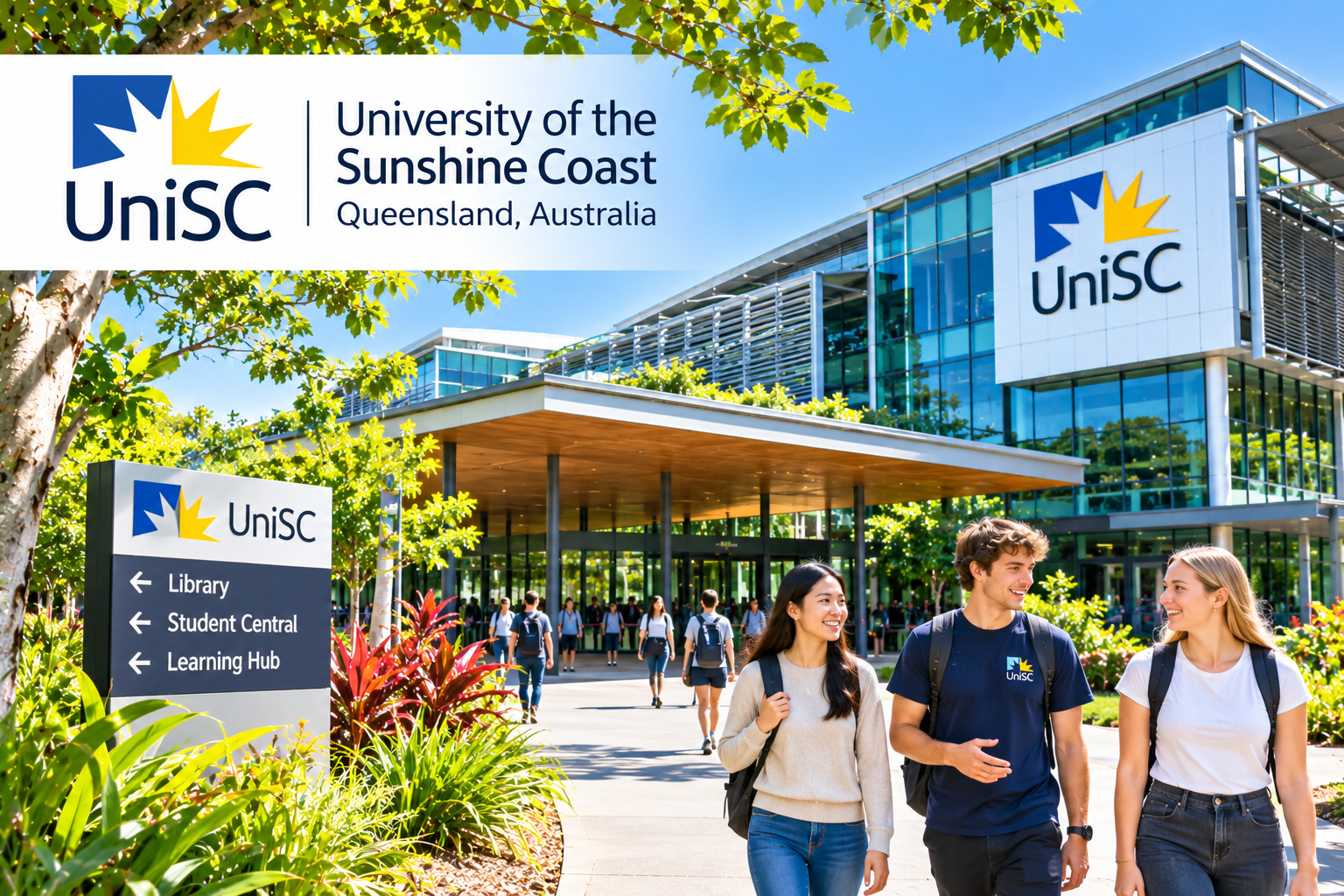
University of the Sunshine Coast
Bachelor of Health Science
Applied Environmental Health Extended Major
Develop environmental health expertise within a broader health science degree. Explore how environmental conditions influence population health and build skills relevant to preventing and managing health risks. Environmental Health Australia lists this pathway with full accreditation.
Check course availability, professional accreditation and practical training requirements for your intended intake. Completing an accredited degree may be one stage of professional qualification; further training or assessment may apply in your intended country of practice.
Looking for Other University Options?
These are selected examples. We can help you explore other universities and study pathways based on your qualifications, interests and intended career.
Discuss Your Study OptionsWorking in Singapore

If you plan to work in environmental health in Singapore, compare your chosen programme with the qualifications, practical skills and role-specific requirements of prospective employers. Opportunities may involve food safety, environmental sanitation, pollution control or health and safety.
Qualifications & Employment Requirements
Employers assess environmental health graduates against the requirements of individual positions. Relevant scientific knowledge, inspection experience, risk assessment, data interpretation and clear technical reporting can help demonstrate your suitability for environmental health work.
When comparing degrees, look for subjects such as food safety, microbiology, environmental pollution, public health and professional practice. Practical investigations, site visits and placements can help you develop the judgement and communication skills needed to work with businesses and communities.
Singapore’s National Environment Agency (NEA) and Singapore Food Agency (SFA) offer career information relevant to environmental health interests. NEA’s work includes environmental protection and public health, while SFA’s roles include food safety testing, risk assessment and regulatory operations. Check each vacancy for its specific academic and experience requirements.
An overseas environmental health degree does not automatically qualify you for every designated role in Singapore. For example, Environmental Control Officers for Specified Premises and Specified Construction Sites have separate NEA training and registration requirements. Check the requirements for the exact role you intend to pursue.
Food Hygiene Officer and Workplace Safety and Health Officer positions also have their own requirements. SFA specifies food safety training for Food Hygiene Officers, while MOM requires accepted qualifications, relevant experience and registration for Workplace Safety and Health Officers. A degree’s title alone does not establish eligibility.
UK or Australian course accreditation can help you assess professional preparation in the country of study. It does not automatically provide Singapore registration, appointment to an enforcement role or acceptance by an employer. Confirm how your qualification relates to local requirements before enrolling.
Review current vacancies and official guidance when planning your studies. Some positions may require additional training, specialist experience or postgraduate qualifications. Completing an overseas degree does not guarantee employment in Singapore.
Career Opportunities
Environmental health graduates can explore careers helping protect people from hazards in food, workplaces and the wider environment. Opportunities span public agencies, consultancies, food businesses and other organisations, depending on your professional training, practical experience and the requirements of individual roles.
Food Safety & Hygiene
Help food businesses identify contamination risks and maintain safe food handling practices. Work may involve hygiene inspections, reviewing food safety systems, investigating concerns and training staff. Designated food hygiene roles may require additional local certification.
Environmental Public Health & Sanitation
Support healthier premises and communities through sanitation assessments, hygiene monitoring and the management of waste or pest-related risks. Help investigate complaints, recommend improvements and monitor corrective actions. Statutory inspection and enforcement duties require the relevant appointment or authority.
Pollution & Environmental Health Assessment
Investigate how air pollution, noise, chemicals and contaminated water or land may affect people’s health. Collect measurements, interpret evidence and contribute to exposure assessments and control recommendations. Specialist assessment work may require further scientific training and experience.
Occupational Health & Safety
Depending on your course content and additional qualifications, support workplace hazard identification, risk assessment and health protection programmes. Roles may involve reviewing procedures, communicating safety information and monitoring working conditions. Registered safety officer positions have separate qualification and experience requirements.
Housing & Healthy Buildings
Help assess conditions such as damp, mould, inadequate ventilation and sanitation that can affect occupants’ health. Work with property managers, residents and other specialists to identify concerns and support improvements. Housing inspection and enforcement responsibilities vary by country and employer.
Consultancy, Research & Health Education
Advise organisations on environmental health risks, contribute to research or develop educational programmes for businesses and communities. Apply skills in data analysis, technical reporting and communication to support practical improvements. Advanced research and specialist advisory positions may require postgraduate study.
These are examples of career directions rather than guaranteed outcomes. Professional recognition, registration and enforcement powers vary by country and role. Some positions require additional certification, practical training, experience or postgraduate study.
Let’s plan your next step
Tell us about your qualifications and environmental health study goals.
Enquire about studying environmental health →
Entry requirements and available pathways vary by institution and course.