HEALTH & LIFE SCIENCES
Study Environmental Science Overseas
Explore environmental science degrees, study pathways and university options in the UK and Australia. Discover how science helps us understand ecosystems, investigate pollution and manage environmental challenges.
What is Environmental Science?
Environmental science is the study of the natural environment, how its different systems interact and how human activities affect them. It brings together biology, chemistry, geology and physical sciences to investigate environmental challenges and develop evidence that supports conservation, pollution control and responsible resource management.
A central part of the subject is understanding the connections between air, water, soil and living organisms. Students explore ecosystems, biodiversity and the movement of nutrients and energy through the environment. For example, changes in land use can influence soil erosion, river water quality and the habitats available to plants and animals.
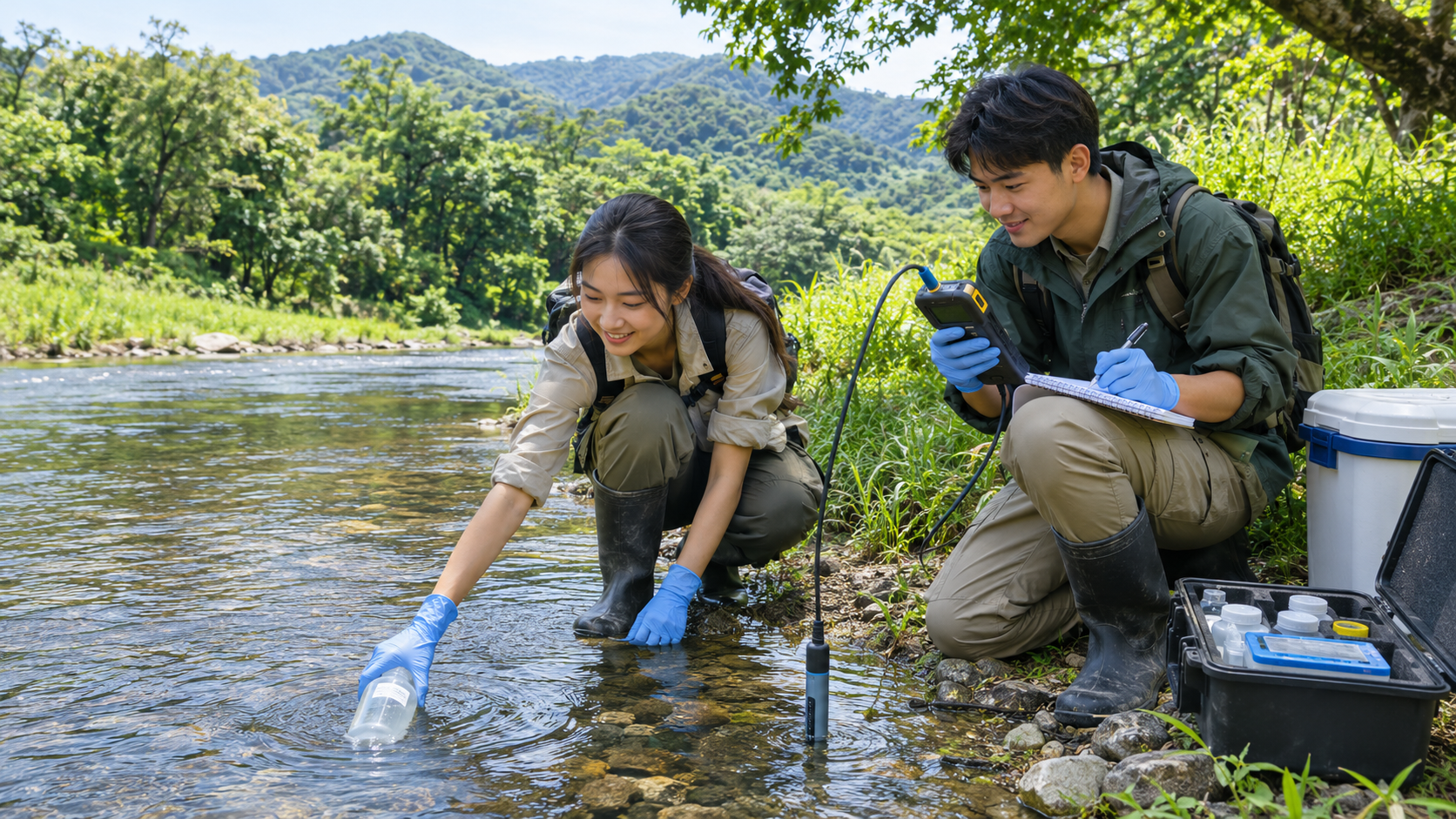
Environmental scientists investigate pollution by examining where contaminants come from, how they move and what effects they may have. Their work can involve collecting water, soil or air samples, analysing them in a laboratory and interpreting results. This evidence helps identify environmental pressures, assess risks and evaluate measures intended to prevent or reduce harm.
The field also examines climate change, natural resources and the environmental consequences of human development. Depending on the programme, students may study climate processes, freshwater and coastal environments, waste management, habitat restoration or sustainable land use. They learn to consider the relationships between environmental protection, community needs and economic activities.
Practical learning combines fieldwork, laboratory investigations and data analysis. Students may carry out ecological surveys, measure water quality or use geographic information systems (GIS) to map environmental patterns. Research methods and statistics help them assess the reliability of findings, understand uncertainty and communicate evidence clearly through reports and presentations.
Studying environmental science develops scientific, analytical and problem-solving skills relevant to environmental consultancy, conservation, monitoring, resource management and research. Courses vary in their emphasis on ecology, chemistry, earth systems and environmental management, so students should compare the subjects, fieldwork and specialist options available. Environmental engineering is a related discipline with its own focus on designing technical solutions and infrastructure.
What Will You Study?
Ecology & Biodiversity
Study how organisms interact with each other and their surroundings. Explore ecosystems, habitats, food webs and nutrient cycles, alongside the effects of land use, invasive species and other environmental pressures. Learn how ecological surveys and scientific evidence inform conservation and habitat management.
Environmental Chemistry & Pollution
Explore the chemical processes affecting air, water and soil. Investigate sources of pollution, how contaminants move through the environment and their potential effects on ecosystems. Develop skills in sampling, laboratory analysis and interpreting results to assess environmental quality and evaluate pollution control measures.
Earth Systems, Climate & Resources
Examine the connections between the atmosphere, land, oceans and freshwater systems. Study climate processes, the water cycle and environmental change, considering how human activities affect natural resources. Depending on the programme, explore approaches to sustainable resource use, waste reduction and environmental management.
Fieldwork, GIS & Environmental Research
Build practical skills in planning investigations, collecting field measurements and analysing environmental data. Learn how geographic information systems (GIS), mapping and statistics help identify patterns and assess change. Apply research methods, evaluate uncertainty and communicate findings through scientific reports, projects and presentations.
These are typical study areas. The balance of ecology, chemistry, earth science, environmental policy, fieldwork and placement opportunities varies by university and programme.
Entry Requirements & Study Pathways
Your pathway into environmental science depends on your academic qualifications, subject background and the requirements of your chosen university. Compare each programme’s emphasis on ecology, chemistry, earth systems, environmental management and practical fieldwork alongside its entry requirements.
| Your Qualification | Possible Study Pathway |
|---|---|
| Singapore O Levels | Further study through A Levels, the IB Diploma or a suitable foundation or diploma programme may help you meet undergraduate entry requirements. Confirm that your chosen pathway is accepted for the intended environmental science degree and includes any required science and mathematics subjects. |
| Singapore A Levels / IB Diploma | You may be eligible for direct entry into an undergraduate environmental science programme, depending on your grades and subject combination. Check whether the course requires subjects such as biology, chemistry, geography, physics or mathematics, and which subjects count towards its science requirements. |
| Polytechnic Diploma | Your application will be assessed against the university’s requirements, including your diploma discipline, GPA and relevant modules. Provide details of environmental science, chemistry, biology, geospatial studies, statistics or laboratory and fieldwork experience where relevant. Any credit transfer or advanced entry is assessed separately and is not automatic. |
| Bachelor’s Degree | If you are considering postgraduate environmental science study, check which previous degrees and prerequisite subjects the programme accepts. Some courses require a related scientific background, while others consider applicants from a wider range of disciplines. Compare taught and research options in areas such as conservation, pollution management, climate science or environmental assessment. |
Additional Admission Requirements
Depending on the university and programme, you may need specific subjects, evidence of English language proficiency, a personal statement or references. Postgraduate applications may also require module descriptions, relevant experience or a research proposal. Check fieldwork arrangements, any additional costs and participation requirements, and discuss support needs with the university before applying.
Featured Universities
Explore selected universities offering environmental science degrees in the UK and Australia. Compare their scientific focus, fieldwork, laboratory learning and specialist options to find a programme suited to your interests and career goals.
United Kingdom
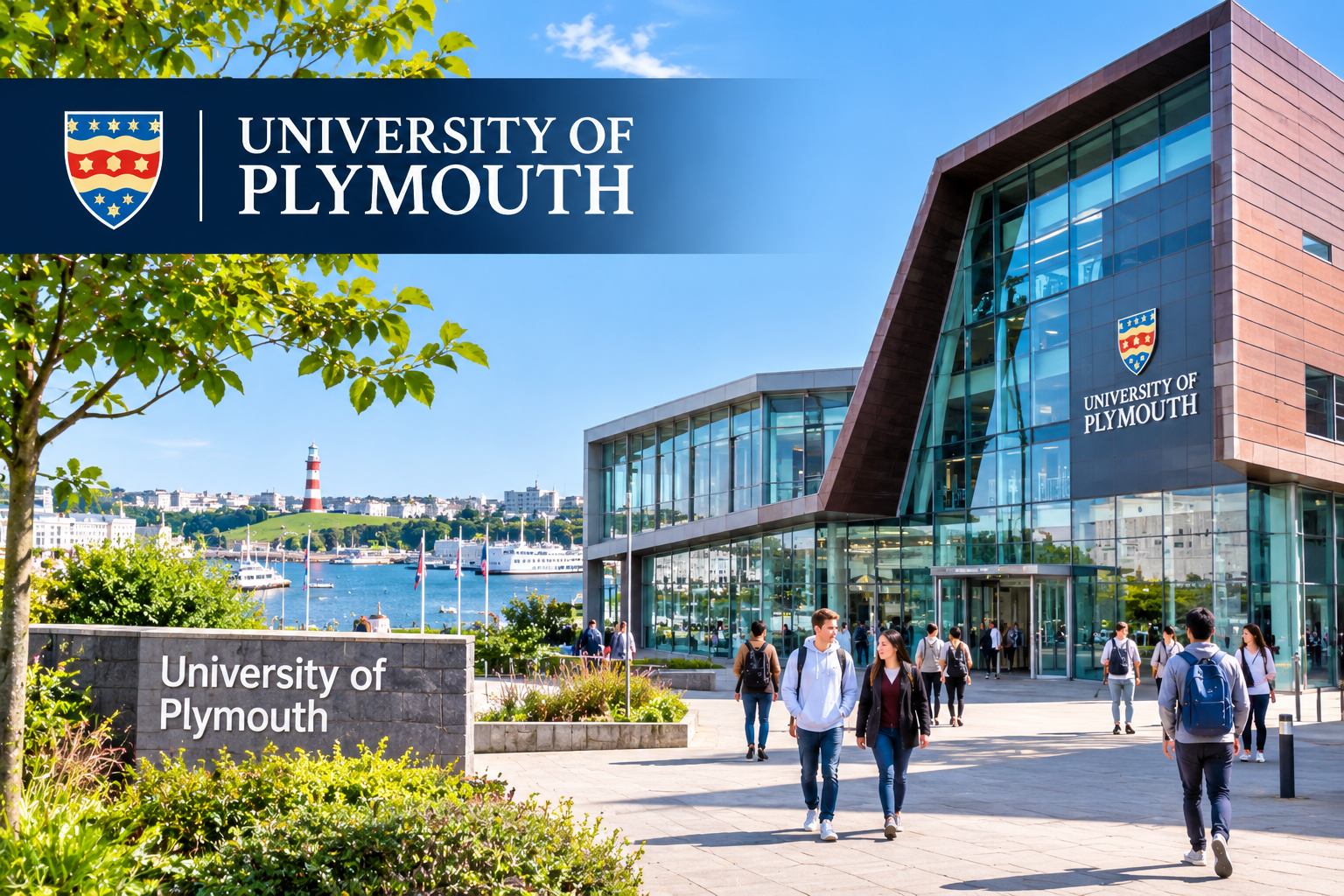
University of Plymouth
BSc (Hons) Environmental Science
Explore environmental challenges through scientific study, laboratory investigations and fieldwork. Plymouth’s coastal location provides opportunities to connect your learning with surrounding environments, while developing practical skills in understanding environmental processes and evaluating human impacts.
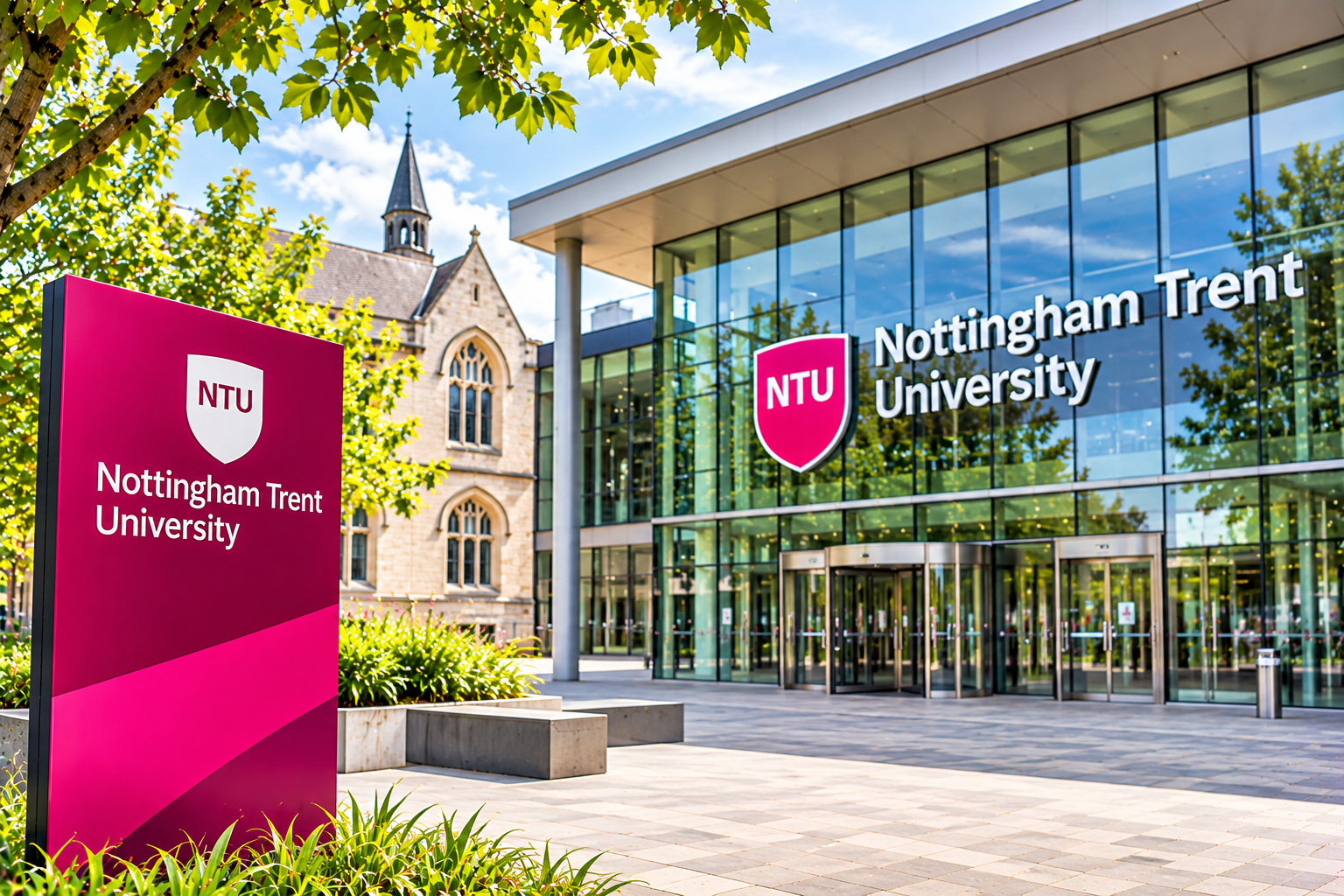
Nottingham Trent University
BSc (Hons) Environmental Science
Build scientific and practical skills through a course combining environmental investigations, fieldwork and laboratory analysis. Explore topics such as pollution and ecological quality, learning how evidence can inform the management of environmental problems.
Australia
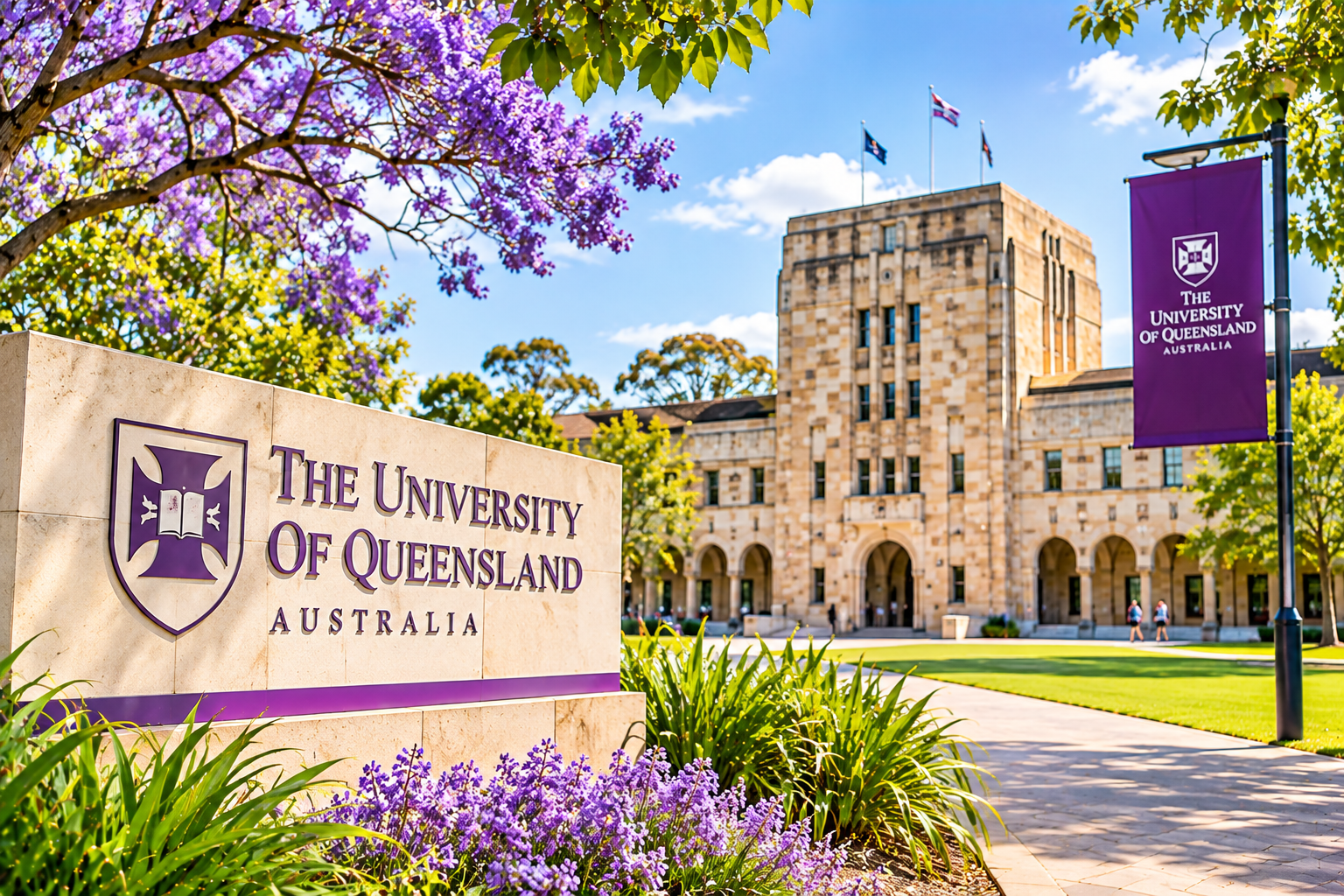
The University of Queensland
Bachelor of Science — Environmental Science Major
Study environmental science within UQ’s Bachelor of Science, exploring ecology, conservation, environmental toxicology and natural resources. Develop scientific knowledge and practical experience to understand environmental change and contribute to evidence-based environmental decisions.

Deakin University
Bachelor of Environmental Science and Sustainability
Explore the interaction between people and the environment through environmental science, management and sustainability. The programme is professionally accredited by the Environment Institute of Australia and New Zealand (EIANZ), supporting learning relevant to environmental practice.
Course structures, fieldwork, placements and professional accreditation may change. Check the university’s current course information for your intended intake.
Looking for Other University Options?
These are selected examples. We can help you explore other universities and study pathways based on your qualifications, environmental interests and career goals.
Discuss Your Study OptionsWorking in Singapore

If you plan to work in Singapore’s environmental sector, compare your chosen programme with the scientific knowledge, practical skills and experience required for your intended career. Different roles may emphasise environmental monitoring, conservation, water quality, consultancy or sustainability.
Qualifications & Employment Requirements
Employers assess environmental science graduates against the requirements of individual positions. Your degree’s subject content, scientific specialism, fieldwork, laboratory experience and ability to analyse and communicate evidence can all influence your suitability for a role.
When choosing a programme, look for relevant study in ecology, environmental chemistry, earth systems, statistics and research methods. Practical experience in sampling, geographic information systems (GIS), data analysis and technical report writing can help you demonstrate skills relevant to environmental work.
Singapore’s environmental work spans several organisations and disciplines. The National Environment Agency (NEA) offers roles across areas including environmental protection and meteorological services. PUB focuses on Singapore’s water needs, while the National Parks Board (NParks) supports greenery, biodiversity and conservation. Each position has its own qualification and experience requirements.
Private-sector opportunities may include environmental consultancy, testing laboratories, resource management and corporate sustainability. Compare actual job descriptions to understand whether employers seek scientific fieldwork, analytical testing, environmental assessment, project coordination or sustainability reporting skills.
Course accreditation or professional recognition can help you assess a programme’s standards, but it does not guarantee employment or replace role-specific requirements in Singapore. Check whether your intended position requires additional training, certification, experience or specialist qualifications.
Environmental science and environmental engineering programmes develop different combinations of skills. For engineering-design positions, check the specified engineering qualification. For specialist research roles, employers may require postgraduate study and experience in a particular scientific discipline.
Review current vacancies, internship opportunities and official career information before choosing your course. Confirm any recruitment eligibility conditions directly with the employer, and use your university studies to build relevant projects, practical experience and evidence of your skills.
Career Opportunities
Environmental science graduates can explore scientific, technical and advisory roles with consultancies, government agencies, laboratories, conservation organisations and businesses. Opportunities depend on your scientific specialism, practical experience and the requirements of individual employers.
Environmental Consultancy & Assessment
Help assess how development projects and business activities may affect the environment. Work can involve site investigations, baseline surveys, interpreting scientific data and preparing technical reports. Contribute evidence that supports decisions on avoiding, reducing and monitoring environmental impacts.
Environmental Monitoring & Laboratory Analysis
Collect and analyse water, soil, air or other environmental samples to investigate environmental quality. Roles may include field measurements, laboratory testing, checking data quality and reporting findings. Specialist analytical work may require additional training in particular instruments and methods.
Ecology & Conservation
Support biodiversity surveys, habitat assessments and conservation projects. Investigate species and ecosystems, monitor environmental change and help evaluate habitat management or restoration measures. Field identification skills, ecological knowledge and experience working with survey data can be valuable.
Water & Resource Management
Contribute scientific knowledge to managing freshwater, catchments, soil and other natural resources. Work may involve water-quality monitoring, assessing environmental pressures and supporting projects that improve resource use or reduce waste. Engineering-design positions may require a separate engineering qualification.
Sustainability & Environmental Management
Help organisations understand and manage their environmental impacts. Tasks may include tracking resource use, analysing environmental performance and supporting waste reduction or sustainability initiatives. Roles involving carbon accounting, reporting or compliance may require additional technical knowledge and training.
Environmental Research & Geospatial Analysis
Use research methods, statistics and geographic information systems (GIS) to investigate environmental patterns and change. Contribute to projects involving land use, ecosystems, pollution or climate impacts. Advanced research, modelling and specialist remote-sensing roles may require postgraduate study or further technical training.
These are examples of career directions rather than guaranteed outcomes. Some roles require additional certifications, specialist training, experience or postgraduate study. Check the qualifications and practical skills specified by employers for your intended career.
Let’s plan your next step
Tell us about your qualifications and environmental science study goals.
Enquire about studying environmental science →
Entry requirements and available pathways vary by institution and course.