HEALTH & LIFE SCIENCES
Study Pharmaceutical Science Overseas
Explore pharmaceutical science degrees, study pathways and university options in the UK and Australia. Discover the science behind how medicines are discovered, developed, formulated and tested.
What is Pharmaceutical Science?
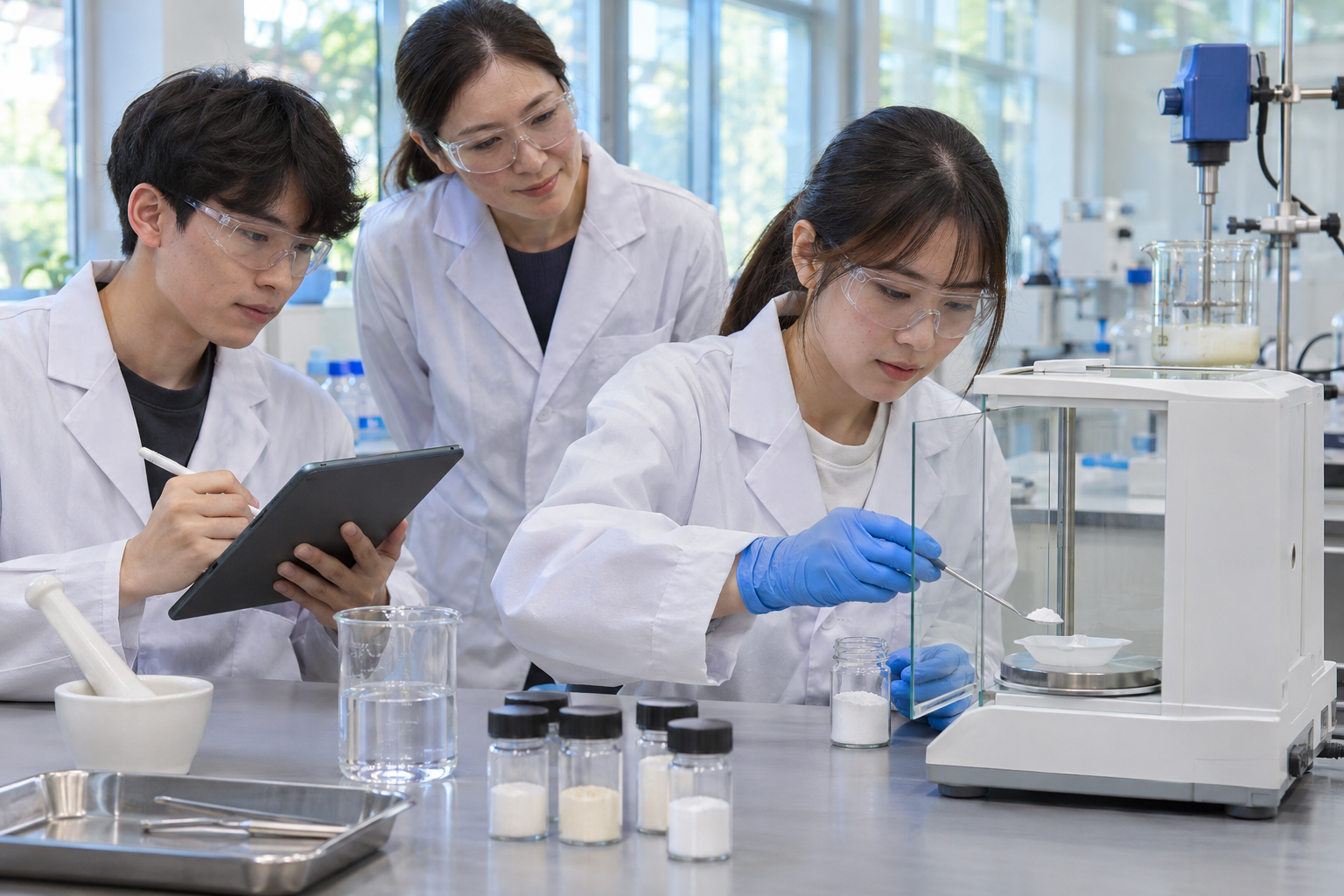
Pharmaceutical science explores how medicines are discovered, developed, formulated, manufactured and tested. It combines chemistry, biology and analytical science to investigate potential treatments and understand how they can be delivered effectively. The field connects laboratory research with the scientific and technical work needed to turn promising discoveries into medicines.
Students build a foundation in subjects such as medicinal chemistry, biochemistry, pharmacology and physiology. They explore how a substance’s chemical structure influences its properties and biological activity, how medicines interact with targets in the body and how the body absorbs, distributes, breaks down and eliminates them.
Drug discovery involves identifying and investigating substances that may have useful therapeutic effects. Students learn how experiments help evaluate biological activity, select promising candidates and recognise potential limitations. Depending on the programme, this may include chemical synthesis, biological assays, computational approaches or research involving biological medicines.
Formulation science examines how an active ingredient can be prepared as a suitable product, such as a tablet, cream, inhaler or injection. Students consider solubility, stability, drug release and the role of other ingredients. They may also explore manufacturing processes, packaging and the challenges of producing medicines consistently at a larger scale.
Testing and quality are central to pharmaceutical development. Practical learning can involve analytical measurements, formulation experiments and interpreting scientific data. Students explore how evidence is used to assess product identity, purity, stability and performance, alongside research ethics, accurate documentation and the principles underlying medicine safety and regulatory evaluation.
Pharmaceutical science degrees can support careers in research, formulation, analytical testing, manufacturing, quality and regulatory work, depending on the programme and further training. Pharmaceutical science differs from professional pharmacy: this degree alone does not qualify graduates to register or practise as pharmacists. Before applying, compare the exact course content, laboratory training, research projects and industry opportunities with your intended career.
What Will You Study?
Medicinal Chemistry & Drug Discovery
Explore how chemical structure influences a substance’s properties and biological activity. Learn how potential medicine candidates are identified, prepared and investigated. Depending on the programme, study may include organic synthesis, molecular interactions, biological screening and computational approaches to drug design.
Pharmacology & Drug Disposition
Study how medicines interact with biological targets and produce intended or unwanted effects. Explore how the body absorbs, distributes, metabolises and eliminates substances, and how these processes influence drug exposure. Connect physiology and biochemistry with the scientific investigation of medicine activity and safety.
Formulation & Drug Delivery
Learn how active ingredients are developed into dosage forms such as tablets, creams and injections. Investigate solubility, stability, drug release and the functions of other formulation ingredients. Explore manufacturing methods, packaging compatibility and the challenges of transferring laboratory formulations into consistent larger-scale production.
Pharmaceutical Analysis, Quality & Research
Develop laboratory skills in measuring and characterising pharmaceutical substances and products. Explore analytical techniques, data interpretation and the principles of quality control. Through experiments and projects, build skills in research design, scientific reporting and evaluating evidence, alongside an understanding of documentation and regulatory expectations.
These are typical study areas. The balance of chemistry, pharmacology, formulation, manufacturing and regulatory topics varies by university and programme. Laboratory facilities, research projects and placement opportunities also differ. A pharmaceutical science degree does not by itself qualify graduates to register or practise as pharmacists.
Entry Requirements & Study Pathways
Your pathway into pharmaceutical science depends on your academic qualifications, science background and the requirements of your chosen university. Compare each programme’s emphasis on medicinal chemistry, pharmacology, formulation and analytical science alongside its entry requirements and practical learning opportunities.
| Your Qualification | Possible Study Pathway |
|---|---|
| Singapore O Levels | Further study through A Levels, the IB Diploma or an accepted foundation or diploma programme may help you meet undergraduate entry requirements. Confirm that your chosen pathway leads to the intended pharmaceutical science degree and includes any required chemistry, mathematics and other science subjects. Check progression grades and additional conditions before enrolling. |
| Singapore A Levels / IB Diploma | You may be eligible for direct entry into an undergraduate pharmaceutical science programme, depending on your results and subject combination. Check whether chemistry is compulsory and which additional subjects, such as biology, mathematics or physics, are accepted. Requirements vary with the course’s scientific focus. |
| Polytechnic Diploma | Your application will be assessed against the university’s requirements, including your diploma discipline, GPA and relevant modules. Provide details of pharmaceutical science, chemistry, biochemistry, formulation, analytical testing and laboratory studies where relevant. Credit transfer or advanced entry is assessed individually and is not automatic. |
| Bachelor’s Degree | Graduates can explore postgraduate pharmaceutical science programmes, subject to academic results, prerequisite subjects and relevant experience. Accepted backgrounds may include pharmaceutical science, chemistry, biochemistry or related disciplines, depending on the course. Compare taught and research options in areas such as drug discovery, formulation, pharmaceutical analysis or manufacturing. |
Additional Admission Requirements
Depending on the programme, you may need specific subjects, evidence of English language proficiency, references or a personal statement. Postgraduate applications may require module descriptions, relevant experience or a research proposal, and research degrees may require an available supervisor. Check international student eligibility, deadlines and placement arrangements. Pharmaceutical science is distinct from professional pharmacy: this degree alone does not qualify graduates to register or practise as pharmacists.
Featured Universities
Explore pharmaceutical science degrees in the UK and Australia. Compare each programme’s approach to drug discovery, formulation, laboratory analysis and industry applications, alongside its entry requirements and opportunities for practical learning.
United Kingdom
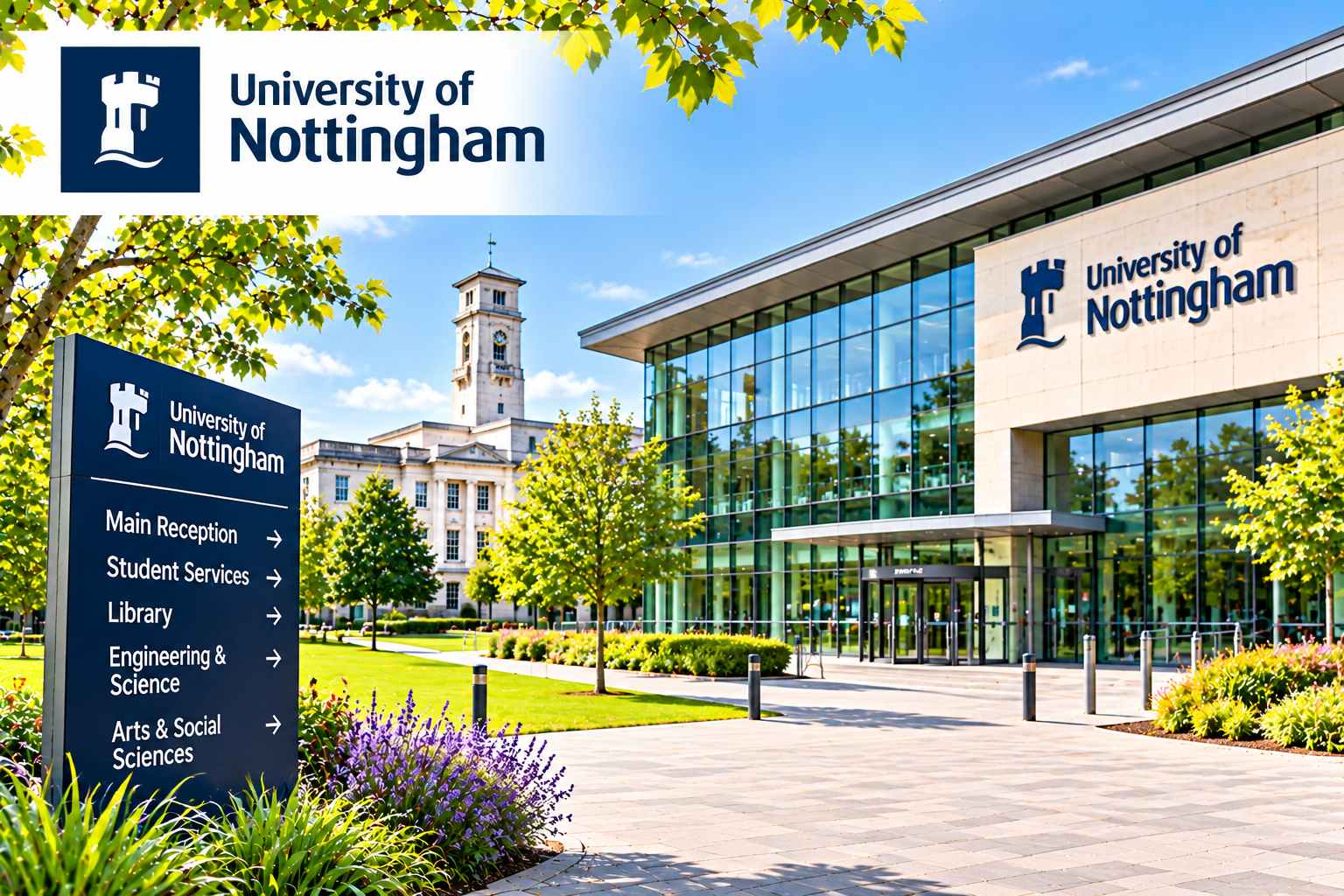
University of Nottingham
BSc (Hons) Pharmaceutical Sciences
Study the science behind drug discovery, the formulation of medicines and the diseases they are designed to treat. Nottingham offers a research-informed environment for exploring how medicines work, with laboratory learning that connects scientific principles to pharmaceutical development.

Teesside University
BSc (Hons) Pharmaceutical Science
Consider this modern university option for developing scientific knowledge and practical skills relevant to pharmaceutical and healthcare industries. Explore the science of medicines through laboratory learning, building analytical, research and problem-solving skills.
Australia

Monash University
Bachelor of Pharmaceutical Science
Explore how potential medicines are discovered, developed and formulated. Monash brings together expertise in medicinal chemistry, drug discovery biology and formulation science, offering a specialist environment for developing laboratory skills and understanding the pharmaceutical development process.
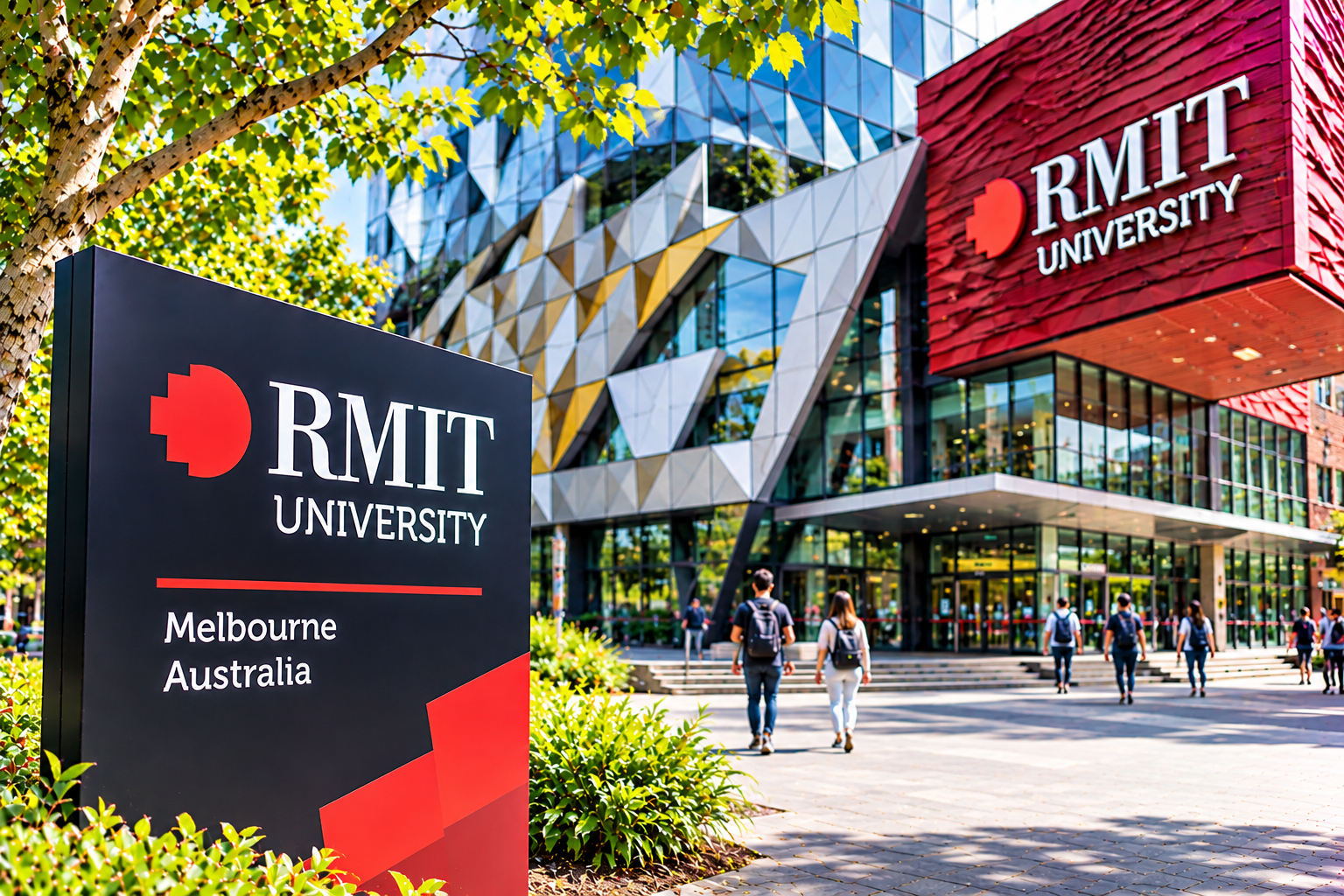
RMIT University
Bachelor of Pharmaceutical Sciences
Explore an applied university option with connections to pharmaceutical companies and research organisations. Study biochemical and pharmacological sciences while developing practical laboratory skills. Eligible graduates can apply for a separate honours year to extend their research and industry experience.
Course content, entry requirements, research projects and placement opportunities vary. Placements and progression to honours may involve additional selection. Campus images are illustrative and may not depict the campus where the featured course is taught. Pharmaceutical science degrees do not provide the professional pharmacy qualification required for pharmacist registration.
Looking for Other University Options?
These are selected examples. We can help you compare pharmaceutical science programmes based on your qualifications, scientific interests, preferred destination and study goals.
Discuss Your Study OptionsWorking in Singapore

If you plan to work in Singapore after studying pharmaceutical science overseas, compare your chosen programme with the scientific knowledge, practical skills and experience required for your intended role. Research, formulation, manufacturing, quality and regulatory positions can require different combinations of expertise.
Qualifications & Industry Requirements
Employers assess pharmaceutical science graduates against the requirements of individual positions. Relevant subjects, laboratory techniques, research projects and industry experience can help demonstrate your suitability. A degree’s title alone does not establish eligibility for every pharmaceutical role.
Singapore’s biotechnology and pharmaceutical sector includes research and development, pharmaceutical manufacturing and the development of new therapeutic technologies. Activities span small-molecule medicines, biological products and emerging treatments, creating a range of scientific and technical career directions.
For research and product development roles, compare training in medicinal chemistry, pharmacology, formulation and drug delivery. Depending on the position, useful skills may include chemical synthesis, biological assays, experimental design and data analysis. Advanced research roles may require postgraduate qualifications and specialist experience.
For analytical and quality roles, look for practical experience in techniques such as chromatography, spectroscopy and pharmaceutical testing. Accurate documentation, data integrity, method validation and an understanding of quality systems can be important. The specific instruments and procedures required depend on the employer and products involved.
Manufacturing and regulatory roles may require additional knowledge of production processes, Good Manufacturing Practice (GMP), product specifications or regulatory submissions. Check actual job descriptions to understand the qualifications and experience needed, and whether further workplace training is provided.
Pharmaceutical science and professional pharmacy degrees have different purposes. A pharmaceutical science degree does not by itself qualify you to register or practise as a pharmacist in Singapore. If your goal is patient-facing pharmacy practice, check the Singapore Pharmacy Council’s requirements for the exact professional pharmacy qualification and study arrangements.
Before choosing your course, review current vacancies and compare the scientific subjects, laboratory training and industry opportunities available. Relevant internships and research projects can help build evidence of your skills, but an overseas degree does not guarantee employment.
Career Opportunities
Pharmaceutical science graduates can explore careers contributing to the discovery, development, testing and manufacture of medicines. Opportunities span research laboratories, pharmaceutical companies and related organisations, depending on your specialist subjects, practical experience and any additional qualifications required for the role.
Drug Discovery & Research
Contribute to investigations identifying and evaluating potential medicines. Depending on your training, work may involve chemical synthesis, biological assays, studying drug action or analysing experimental results. Advanced research and independent scientist positions commonly require postgraduate qualifications and specialist experience.
Formulation & Drug Delivery
Help develop dosage forms such as tablets, creams and other medicine delivery systems. Investigate how ingredients and preparation methods influence stability, release and product performance. Roles may involve laboratory formulation, testing and supporting improvements to products, with additional expertise needed for specialist delivery technologies.
Pharmaceutical Analysis & Quality Control
Test raw materials, ingredients and finished products to assess properties such as identity, purity and stability. Use appropriate analytical instruments, check results against specifications and maintain accurate records. Employers may require experience in particular techniques, validated methods and laboratory quality procedures.
Manufacturing & Process Development
Support the development and operation of processes used to manufacture pharmaceutical products. Work may involve production monitoring, investigating process variations and helping transfer laboratory methods into manufacturing. Relevant knowledge can include scale-up, equipment operation and Good Manufacturing Practice, with further workplace training required.
Quality Assurance & Regulatory Affairs
Help maintain quality systems, review documentation and support compliance with relevant requirements. Regulatory roles may involve compiling scientific information, preparing product submissions and tracking changes affecting medicines. These positions require attention to detail and may need additional knowledge of regulations, audits and quality management.
Clinical Research & Scientific Communication
With suitable training, support clinical research activities, scientific writing or technical product information. Responsibilities may include coordinating study documentation, reviewing evidence or explaining pharmaceutical research to different audiences. Specialist roles may require further experience in research methods, clinical trial procedures or medical writing.
These are examples of career directions rather than guaranteed outcomes. Some roles require specialist technical training, industry experience or postgraduate qualifications. A pharmaceutical science degree does not by itself qualify graduates to register or practise as pharmacists. Check the qualifications and competencies required for your intended role and country of work.
Let’s plan your next step
Tell us about your qualifications and pharmaceutical science study goals.
Enquire about studying pharmaceutical science →
Entry requirements and available pathways vary by institution and course.