HEALTH & LIFE SCIENCES
Study Podiatry Overseas
Explore podiatry degrees, study pathways and university options in the UK and Australia.
What is Podiatry?
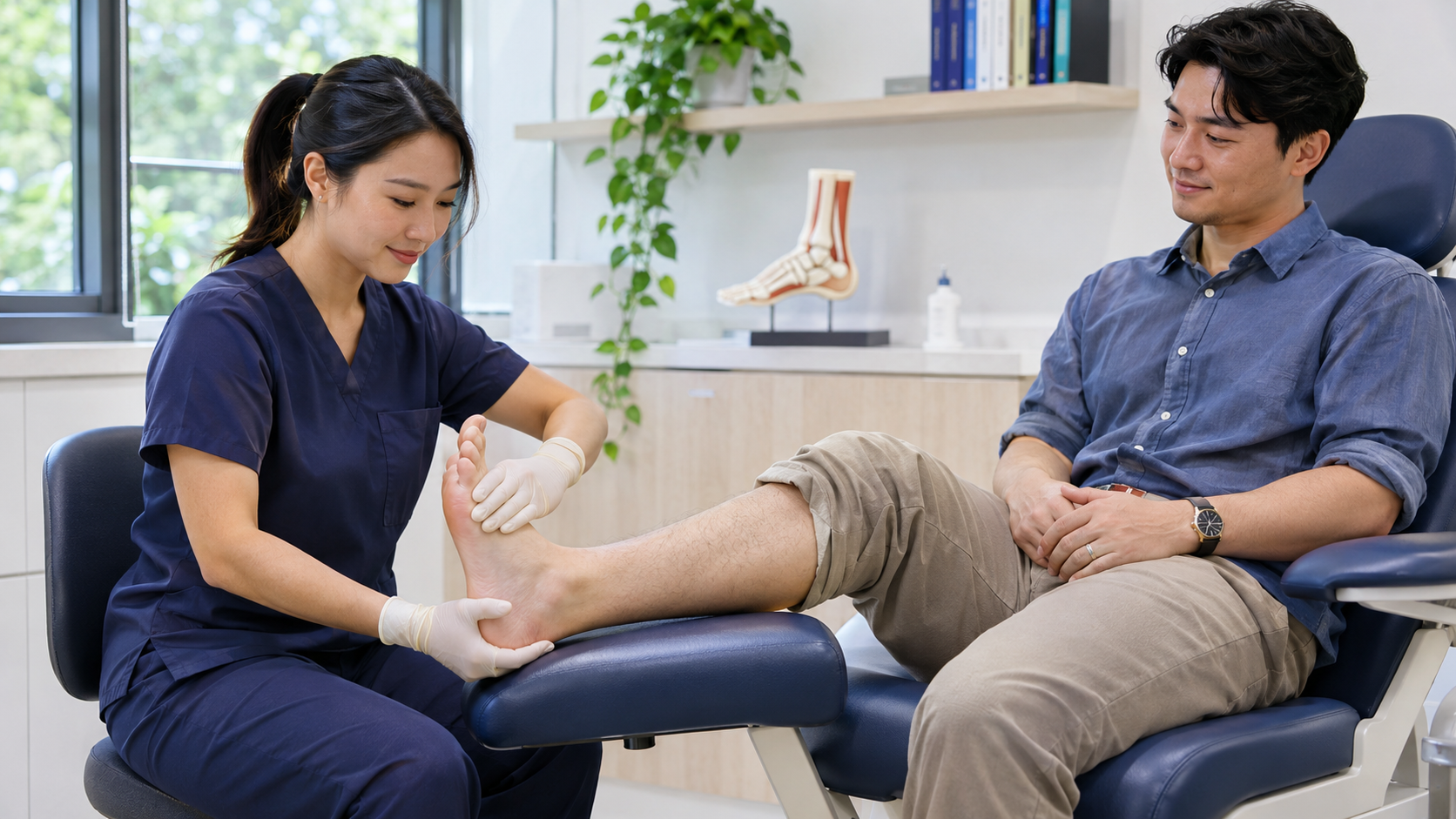
Podiatry is a healthcare profession focused on assessing, diagnosing and managing conditions affecting the feet, ankles and lower limbs. Podiatrists work with people of different ages, from children with foot development concerns to adults with injuries and older people who need support to stay mobile and independent.
Their work can include managing foot pain, skin and nail conditions, sports-related injuries and difficulties with walking. They assess how the feet and lower limbs function and may provide treatment, exercises, footwear advice or orthoses, such as shoe inserts, according to each person’s needs.
Podiatrists also play a role in caring for people with diabetes and other conditions that can affect circulation, sensation and wound healing in the feet. Through assessment, preventive care and patient education, they help people protect their foot health, manage discomfort and take part in everyday activities. They may work alongside doctors, nurses, physiotherapists and other healthcare professionals.
What Will You Study?
Human Anatomy & Foot Health
Study the structure and function of the human body, with particular attention to the feet, ankles and lower limbs. Explore how bones, joints, muscles, nerves and circulation contribute to foot health, alongside conditions affecting the skin and nails.
Biomechanics & Walking Assessment
Learn how the feet and lower limbs move during walking and other activities. Explore gait assessment, musculoskeletal conditions and how footwear, exercises and orthoses may be used to support function and manage symptoms.
Clinical Assessment & Treatment
Develop skills in taking patient histories, assessing foot conditions and planning care. Study areas may include skin and nail care, diabetes-related foot complications, wound management, infection prevention and recognising when referral to another professional is needed.
Supervised Clinical Practice
Apply your learning through supervised clinical experience with patients who have different foot health needs. Build practical assessment, treatment and communication skills while learning about professional responsibilities, patient safety and working within healthcare teams.
These are typical study areas. Subjects and clinical placement arrangements vary by university and programme.
Entry Requirements & Study Pathways
Your pathway into podiatry depends on your academic qualifications, subject background and the requirements of your chosen university. Undergraduate and qualifying postgraduate routes are available, with different entry conditions.
| Your Qualification | Possible Study Pathway |
|---|---|
| Singapore O Levels | Further study through A Levels, the IB Diploma or a suitable foundation or diploma programme may help you meet undergraduate entry requirements. Before choosing a pathway, confirm that it is accepted for your intended podiatry degree and check the required subjects and progression grades. |
| Singapore A Levels / IB Diploma | You may be eligible for direct entry into an undergraduate podiatry programme, depending on your grades, subject combination and the university’s requirements. Some programmes require specific science subjects. |
| Polytechnic Diploma | Your application will be assessed against the university’s entry requirements, including your diploma discipline, GPA and relevant subjects. Any credit transfer or advanced entry is assessed separately and is not automatic. |
| Bachelor’s Degree | Selected universities offer qualifying graduate-entry podiatry programmes, such as a pre-registration master’s or Doctor of Podiatric Medicine. Eligibility depends on your previous degree, academic results and any prerequisite subjects or selection requirements. Check that the programme is intended for people entering the profession. |
Additional Admission Requirements
Depending on the university and programme, you may need prerequisite subjects, evidence of English language proficiency, a personal statement or an interview. Health screening, vaccinations and background checks may also be required before clinical placements. Check the requirements for your intended intake before applying.
Featured Universities
Explore podiatry programmes at selected universities in the UK and Australia. Compare course content, clinical learning opportunities and entry requirements to find an option that suits your goals.
United Kingdom

Glasgow Caledonian University
BSc (Hons) Podiatry
Develop knowledge of foot and lower limb health through academic study and clinical learning, building skills to assess and manage a range of podiatric conditions.

University of Plymouth
BSc (Hons) Podiatry
Combine scientific study with supervised clinical practice to develop assessment and treatment skills, helping people manage foot and ankle problems and maintain mobility.
Australia

La Trobe University
Bachelor of Podiatry (Honours)
Explore anatomy, biomechanics and the management of foot and lower limb conditions, with practical learning and clinical experience to develop patient care skills.

Adelaide University
Bachelor of Podiatry (Honours)
Build knowledge of podiatric assessment and care, including musculoskeletal conditions, wound management and high-risk foot health, supported by clinical learning.
Looking for Other University Options?
Contact UniGlobal to explore additional podiatry programmes and discuss options based on your qualifications, interests and study goals.
Explore My Study Options →Professional Practice in Singapore

If you plan to work in Singapore as a podiatrist, check the professional status of your chosen qualification and the requirements of prospective employers before enrolling.
Qualifications & Professional Requirements
Podiatry is currently a self-regulated profession in Singapore. Podiatrists are not among the professions currently required to register with the Allied Health Professions Council (AHPC), and an AHPC Practising Certificate is not currently required for podiatry practice.
Before choosing a course, confirm that it is a professional qualifying podiatry programme. Check its accreditation and whether completing it meets the academic requirements to apply for registration in the country where you study.
If you plan to practise in Singapore with a UK or Australian qualification, your chosen degree should qualify you to apply for statutory registration in the country where you studied: with the Health and Care Professions Council (HCPC) in the UK, or the Podiatry Board of Australia through Ahpra in Australia. Registration is subject to meeting the regulator’s other requirements.
Ask prospective Singapore employers about their requirements for qualifications, clinical training and overseas registration. Confirm whether they require eligibility for overseas registration or an active registration.
Completing an overseas degree does not guarantee employment in Singapore. Professional and employment requirements may change, so check the latest official guidance before enrolling and again before returning to practise.
Career Opportunities
Podiatrists work across hospital, community and private healthcare settings, helping people manage foot and lower limb conditions, maintain mobility and participate in everyday activities.
Hospital & High-Risk Foot Care
Support patients with complex foot health needs, including diabetes-related complications, reduced circulation and foot wounds. Work alongside doctors, nurses and other healthcare professionals to assess risks, provide care and help prevent further complications.
Musculoskeletal & Sports Podiatry
Assess foot and lower limb pain, walking patterns and sports-related problems. Support patients through treatment plans that may include exercises, footwear advice and orthoses, helping them manage symptoms and return to their usual activities.
Community & Older Adult Care
Provide foot assessments, preventive care and education in community clinics and care settings. Help older adults and people with long-term conditions manage skin and nail problems, choose suitable footwear and maintain comfort, mobility and independence.
Private Podiatry Practice
Provide individualised assessment and treatment for a range of foot and ankle concerns in private clinics. Work with patients of different ages, offering ongoing care, footwear guidance and practical advice to support foot health and daily activities.
These are examples of podiatry work areas. Professional registration and employment requirements vary by country, and some roles require additional experience or training.
Let’s plan your next step
Tell us about your qualifications and podiatry study goals.
Enquire about studying Podiatry →
Entry requirements and available pathways vary by institution and course.