
HEALTH & LIFE SCIENCES
Study Public Health Overseas
Explore public health degrees, study pathways and university options in the UK and Australia. Discover how research, disease prevention, health promotion and policy can improve health across communities and populations.
What is Public Health?
Public health focuses on protecting and improving health across communities and populations. It brings together research, disease prevention, health promotion and policy to understand health problems and develop responses. The field considers how living conditions, environments, behaviours and access to services influence people’s opportunities to lead healthy lives.
Students learn how to investigate patterns of health and disease. Epidemiology examines how health conditions are distributed and which factors may influence their occurrence, while biostatistics provides methods for analysing health data. These approaches help researchers assess risks, evaluate evidence and distinguish an observed association from a claim that one factor causes another.
Disease prevention includes both infectious diseases and long-term conditions such as diabetes and cardiovascular disease. Depending on the programme, students may explore surveillance, vaccination programmes, screening and outbreak preparedness. They learn to consider the benefits, limitations and practical challenges of interventions intended to reduce illness and improve population health.
Health promotion examines how people and communities can be supported to improve health. Students investigate influences such as education, income, housing, employment, culture and the built environment. They may explore ways to encourage physical activity, improve nutrition or reduce tobacco-related harm, while considering barriers to participation and differences in health outcomes between groups.
Public health also examines how health systems, services and policies are organised and evaluated. Practical learning may involve analysing datasets, assessing community needs, planning health programmes or reviewing policy evidence. Research methods, ethics and communication help students interpret findings responsibly and explain recommendations to different audiences.
Public health degrees can support pathways into health promotion, programme coordination, research, policy and related analytical work, depending on your training and experience. Programmes are available at undergraduate and postgraduate levels and differ in their entry requirements and specialist focus. A public health degree does not qualify graduates as medical doctors or other clinical professionals; specialist public health medicine and patient-care roles require separate professional education and training.
What Will You Study?
Epidemiology & Biostatistics
Learn how researchers investigate patterns of health and disease across populations. Explore study designs, measures of disease frequency and methods for analysing health data. Develop skills in interpreting results, recognising bias and uncertainty, and evaluating whether evidence supports public health conclusions.
Health Promotion & Health Inequalities
Examine how social, economic, cultural and environmental conditions influence health. Explore approaches to supporting healthier behaviours and improving access to resources and services. Learn to assess community needs and consider how health programmes can address barriers affecting different population groups.
Disease Prevention & Population Health
Explore the prevention of infectious diseases and long-term health conditions. Depending on the programme, study surveillance, screening, vaccination programmes, environmental health or emergency preparedness. Consider how public health teams assess risks, select interventions and evaluate their benefits, limitations and impact.
Health Policy, Systems & Programme Evaluation
Investigate how health services and policies are organised, funded and assessed. Develop research, communication and ethical decision-making skills through case studies, data analysis or projects. Learn to plan and evaluate public health programmes, considering evidence, available resources and the needs of the people involved.
These are typical study areas. The depth of statistics, policy, health promotion and specialist subjects varies by university and qualification level. Research projects and placement opportunities also differ. A public health degree does not provide a clinical qualification or automatically confer specialist public health medicine status.
Entry Requirements & Study Pathways
Your pathway into public health depends on your academic qualifications, subject background and the requirements of your chosen university. Compare undergraduate and postgraduate options, including their emphasis on epidemiology, health promotion, policy and data analysis. Public health programmes may consider applicants from a range of academic disciplines.
| Your Qualification | Possible Study Pathway |
|---|---|
| Singapore O Levels | Further study through A Levels, the IB Diploma or an accepted foundation or diploma programme may help you meet undergraduate entry requirements. Confirm that your chosen pathway is accepted for the intended public health degree or related health science programme. Check progression grades, English language requirements and any specified subjects. |
| Singapore A Levels / IB Diploma | You may be eligible for direct entry into an undergraduate public health programme or a broader degree offering a public health major, depending on your results and subject combination. Some courses accept a wide range of subjects, while others specify science or mathematics requirements. Check the exact course prerequisites rather than assuming a clinical or laboratory science background is required. |
| Polytechnic Diploma | Your application will be assessed against the university’s requirements, including your diploma discipline, GPA and relevant modules. Provide details of health sciences, social sciences, community services, statistics, research methods or related studies where relevant. Credit transfer or advanced entry is assessed individually and is not automatic. Confirm how any exemptions affect your course structure and choice of major. |
| Bachelor’s Degree | Graduates can explore a Master of Public Health or related postgraduate programme, subject to academic results and course-specific requirements. Some accept degrees from a broad range of disciplines, while others require a relevant background, quantitative preparation or professional experience. Research degrees may require honours or equivalent research preparation. An MPH is an academic qualification and should not be confused with specialist medical training. |
Additional Admission Requirements
Depending on the programme, you may need evidence of English language proficiency, references, a personal statement or a CV. Postgraduate applications may require details of relevant employment, quantitative study or research experience. Research programmes may also require a proposal and an available supervisor. Check international student eligibility, application deadlines and any placement conditions or costs. A public health degree does not provide a clinical qualification or automatically confer specialist public health medicine status.
Featured Universities
Explore undergraduate public health degrees in the UK and Australia. Compare each programme’s emphasis on disease prevention, health promotion, epidemiology and policy, alongside its entry requirements, practical learning and opportunities to work with communities.
United Kingdom
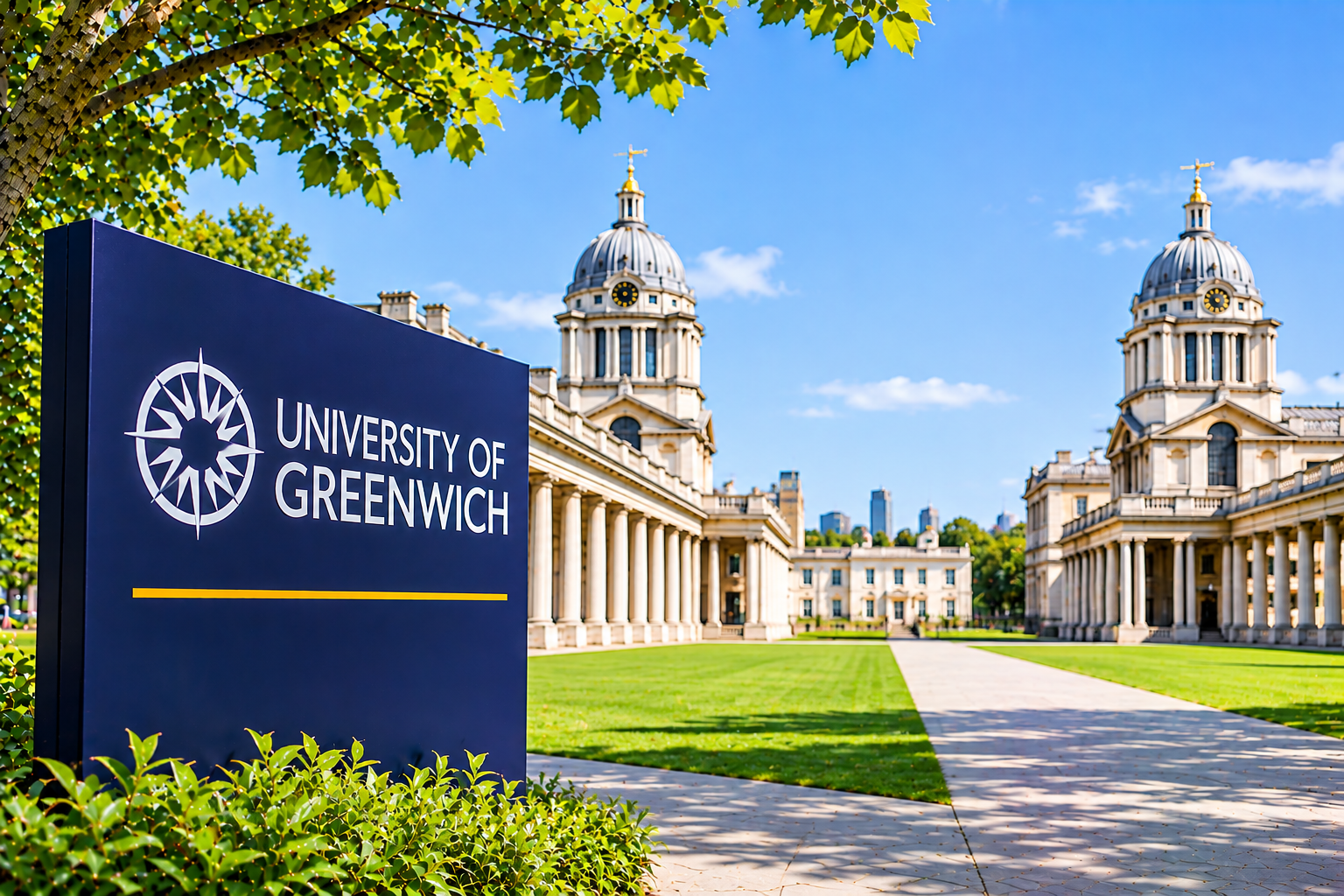
University of Greenwich
BSc (Hons) Public Health
Explore prevention and health promotion in relation to issues affecting populations in the UK and globally. Consider challenges such as pandemics, mental health and climate change, developing an understanding of how public health evidence and policy can support healthier communities.
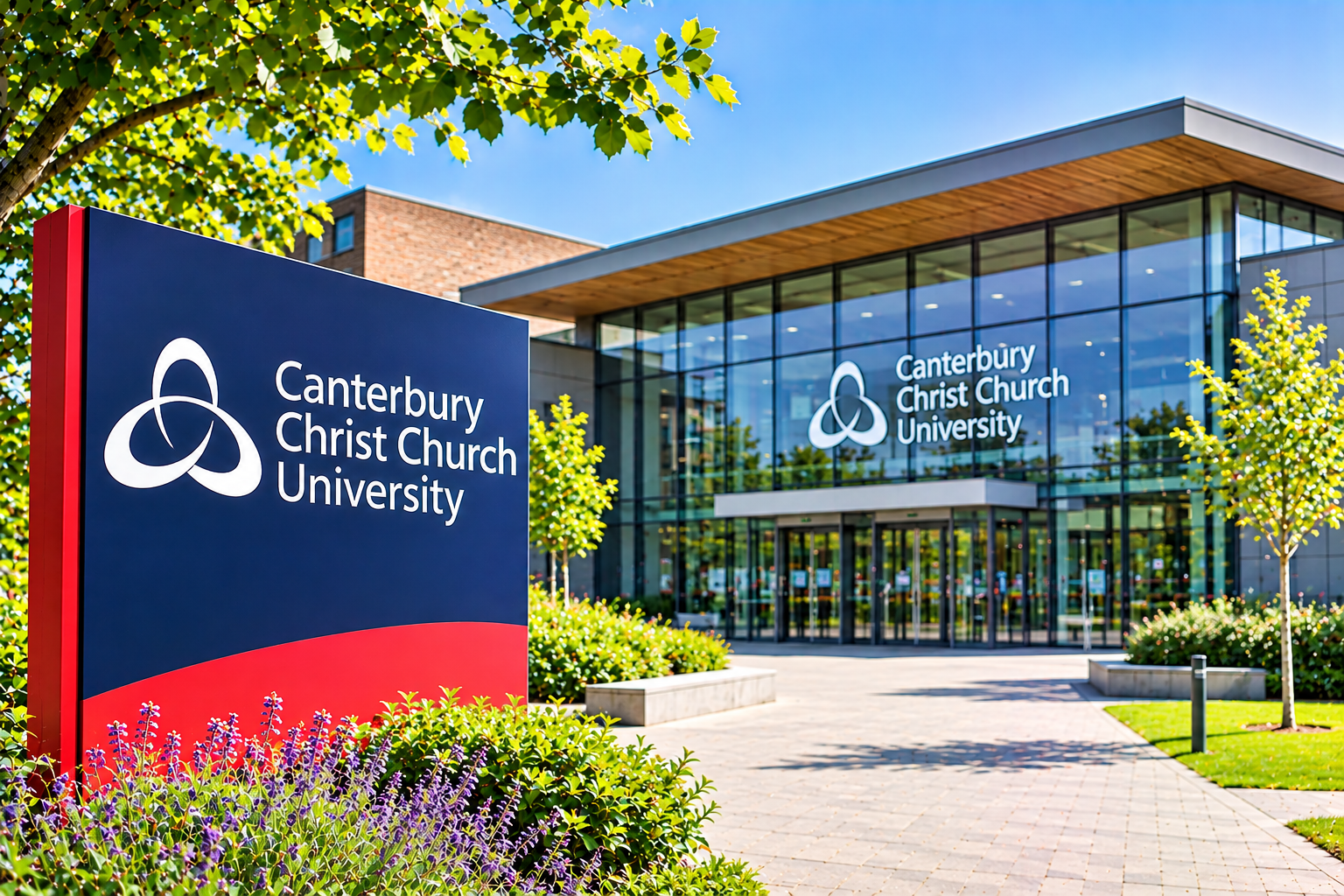
Canterbury Christ Church University
BSc (Hons) Public Health
Study how public health can improve lives and support healthier communities. Explore approaches to understanding and addressing health challenges, considering the needs of different population groups. Compare the programme’s subjects and practical learning with your interests in prevention, community wellbeing and health improvement.
Australia

Monash University
Bachelor of Public Health
Explore how to improve health across communities and populations through a dedicated public health degree. Develop an understanding of health challenges and approaches to prevention, research and healthcare improvement. The programme supports preparation for a range of non-clinical health careers and further study.

Deakin University
Bachelor of Public Health and Health Promotion
Combine community engagement, epidemiology, research and policy with health promotion practice. The course includes practical experience and a final-year placement in a health-related agency. It is accredited by the International Union for Health Promotion and Education (IUHPE).
These are undergraduate degree examples. Subjects, entry requirements, placement arrangements and professional accreditation vary by programme. Campus images are illustrative and may not depict the teaching location. A public health degree does not provide a clinical qualification or automatically confer specialist public health medicine status. Overseas accreditation does not guarantee employment in Singapore.
Looking for Other University Options?
These are selected examples. We can help you compare undergraduate and postgraduate public health programmes based on your qualifications, interests, preferred destination and future goals.
Discuss Your Study OptionsWorking in Singapore

If you plan to work in Singapore after studying public health overseas, compare your chosen programme with the qualifications, analytical skills and experience required for your intended role. Health promotion, disease prevention, policy, research and programme coordination can require different combinations of expertise.
Qualifications & Employment Requirements
Employers assess public health graduates against the requirements of individual positions. Relevant subjects, research projects, data skills and practical experience can all influence your suitability. A public health degree does not automatically establish eligibility for every role or provide a clinical professional qualification.
Singapore’s public health work spans government agencies, healthcare organisations, universities and community partners. The Health Promotion Board (HPB) supports health promotion and disease prevention, while the Communicable Diseases Agency (CDA) offers opportunities related to protecting the population from infectious diseases. The Ministry of Health (MOH) also provides careers across health policy and the wider healthcare system.
For health promotion and community programmes, look for training in assessing population needs, behaviour change, communication and programme planning. Experience working with different communities, coordinating partners and evaluating participation or outcomes can help demonstrate your ability to apply public health knowledge.
For research, surveillance and analytical roles, compare the depth of epidemiology, biostatistics, research methods and data analysis in your programme. Some positions may require experience with statistical software, data management or specific study designs. Advanced epidemiology and specialist analytical roles may require postgraduate training.
For policy and service improvement roles, develop skills in reviewing evidence, understanding health systems, preparing reports and evaluating programmes. Employers may also value project management, stakeholder engagement and knowledge of Singapore’s health priorities. Check whether the position requires previous healthcare or public-sector experience.
A bachelor’s degree and a Master of Public Health serve different study levels and may support different career routes. Neither qualification alone makes a graduate a medical doctor or a specialist in public health medicine. Clinical and medical specialist positions require separate professional education, training and registration.
Before choosing your course, review current vacancies and compare the subjects, practical projects and placement opportunities available. Overseas accreditation can help you assess a programme’s standards, but it does not guarantee employment in Singapore. Confirm the suitability of your exact qualification and any recruitment eligibility conditions with prospective employers.
Career Opportunities
Public health graduates can explore careers supporting disease prevention, health promotion, research, policy and community wellbeing. Opportunities depend on your qualification level, analytical and communication skills, practical experience and any additional training required by employers.
Health Promotion & Community Programmes
Help plan and deliver programmes that support healthier communities. Work may involve developing educational resources, coordinating activities and engaging community partners. Consider barriers to participation and adapt communication to different groups, while helping evaluate whether programmes reach their intended audiences and achieve their goals.
Disease Surveillance & Health Protection
Support teams monitoring disease trends and coordinating prevention or preparedness activities. Responsibilities may include organising surveillance information, preparing reports and supporting programme operations. Specialist epidemiology and outbreak investigation roles may require postgraduate qualifications, relevant experience or additional professional training.
Public Health Research & Data Analysis
Contribute to studies investigating population health, risk factors or the effectiveness of interventions. Tasks may include collecting data, reviewing literature and analysing findings using appropriate methods. Advanced biostatistics, epidemiology and independent research positions generally require further quantitative or postgraduate training.
Health Policy & Programme Evaluation
Help review evidence, assess population needs and evaluate health policies or programmes. Work may involve preparing briefing papers, consulting stakeholders and examining service outcomes. Specialist policy and evaluation roles may require knowledge of health systems, economics, research methods or relevant professional experience.
Population Health & Service Coordination
Support healthcare organisations and community partners in coordinating preventive services and population health initiatives. Responsibilities may include project administration, partnership development, monitoring service delivery and gathering feedback. Management and leadership positions usually require additional experience and demonstrated project or team coordination skills.
Health Communication & Public Engagement
Translate public health evidence into clear information for communities and organisations. Opportunities may involve campaign support, educational content, public engagement or communication research. Develop accessible messages that consider health literacy, cultural context and audience needs, with further communication or digital skills required for some positions.
These are examples of career directions rather than guaranteed outcomes. Some roles require specialist training, relevant experience or postgraduate qualifications. A public health degree does not qualify graduates as medical doctors or other clinical professionals, or automatically confer specialist public health medicine status. Check the requirements for your intended career and country of work.
Let’s plan your next step
Tell us about your qualifications and public health study goals.
Enquire about studying public health →
Entry requirements and available pathways vary by institution and course.