HEALTH & LIFE SCIENCES
Study Sports and Exercise Science Overseas
Explore sports and exercise science degrees, study pathways and university options, and discover how science helps us understand physical activity, health and sporting performance.
What is Sports and Exercise Science?
Sports and exercise science examines how the human body moves, responds to physical activity and adapts to training. It brings together physiology, biomechanics and psychology to understand sporting performance and the role of exercise in health and wellbeing.
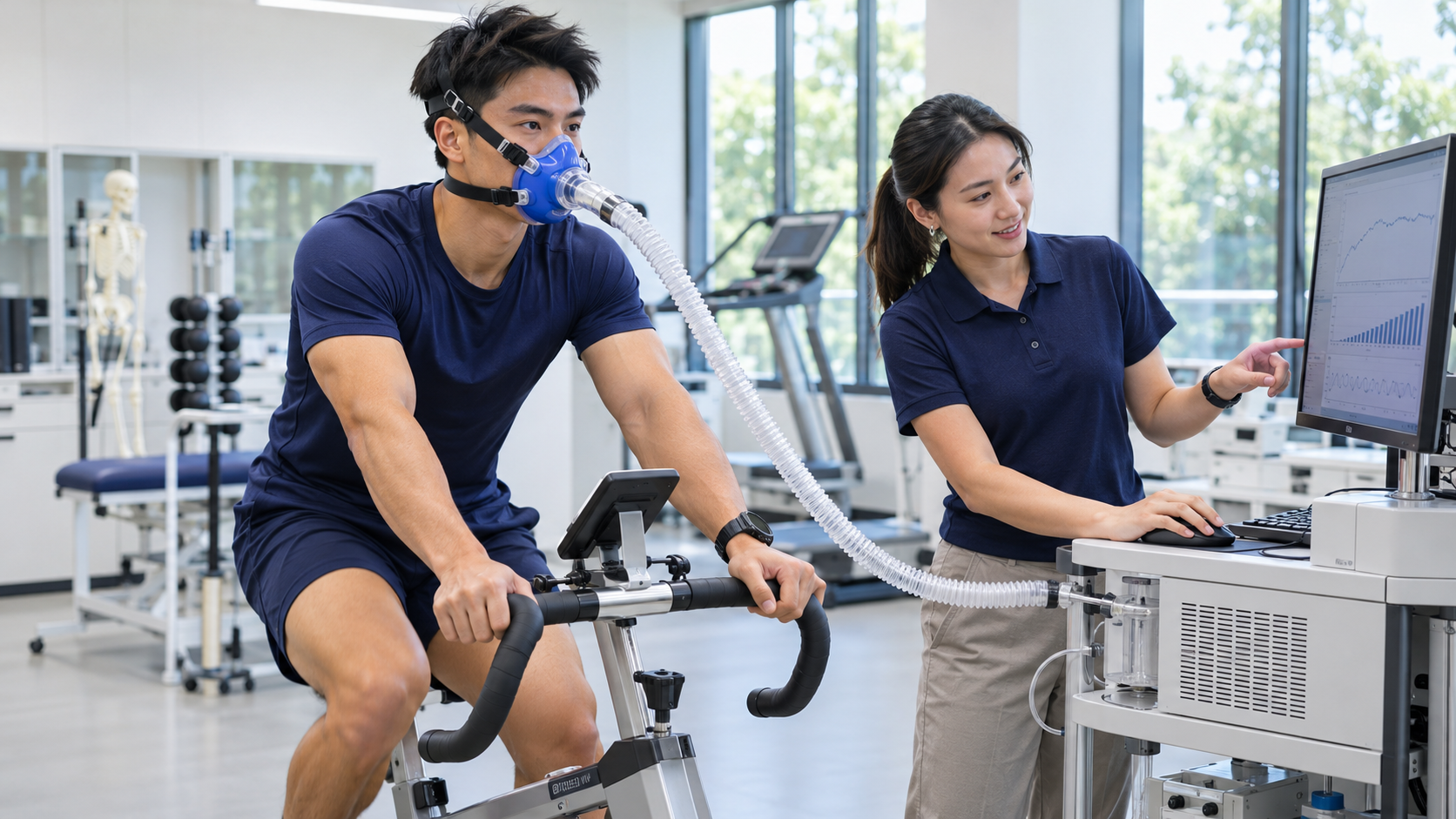
Exercise physiology explores how systems such as the heart, lungs and muscles respond during activity. Students learn about energy production, fatigue, recovery and training adaptations, helping explain how people develop endurance, strength and physical fitness.
Biomechanics applies principles of physics to human movement. By examining forces, joint motion and movement techniques, sports and exercise scientists investigate how people run, jump, lift and perform sporting skills. This knowledge can inform technique development, equipment choices and understanding of factors associated with injury risk.
The subject also considers psychological influences on participation and performance, including motivation, confidence, attention and teamwork. Depending on the programme, students may explore nutrition, motor learning, coaching principles and approaches to encouraging regular physical activity.
Practical learning can involve exercise testing, movement analysis and collecting and interpreting performance data. Students learn to use scientific evidence to evaluate training approaches and understand individual differences, while developing research, communication and problem-solving skills.
Sports and exercise science extends beyond elite sport to include recreational activity, community wellbeing and healthy ageing. Courses differ in their emphasis on performance, health and applied practice. A degree does not automatically qualify a graduate as a physiotherapist, sport psychologist or clinical exercise physiologist; these roles have separate education, accreditation or registration requirements.
What Will You Study?
Human Anatomy & Exercise Physiology
Study how the heart, lungs, muscles and other body systems respond to exercise. Explore energy production, fatigue, recovery and adaptations to training, alongside practical methods for assessing fitness and physiological responses.
Biomechanics & Movement Analysis
Explore how forces and joint movements influence human performance. Learn to analyse activities such as running, jumping and lifting, using measurement techniques to investigate movement efficiency, sporting technique and factors associated with injury risk.
Sport Psychology & Motor Learning
Examine how motivation, confidence, attention and social influences affect participation and performance. Study how people acquire and refine movement skills, and explore how feedback, practice and behaviour can support learning and engagement in physical activity.
Exercise Testing & Applied Research
Develop practical skills in collecting and interpreting fitness, movement and performance data. Learn about research design, statistics and evidence-based training principles, with opportunities to apply your knowledge through laboratory work, projects or placements depending on the programme.
These are typical study areas. Subjects such as nutrition, strength and conditioning, health promotion and clinical exercise, as well as placement opportunities, vary by university and programme.
Entry Requirements & Study Pathways
Your pathway into sports and exercise science depends on your academic qualifications, subject background and the requirements of your chosen university. Compare each programme’s emphasis on sporting performance, exercise, health and practical learning alongside its entry requirements.
| Your Qualification | Possible Study Pathway |
|---|---|
| Singapore O Levels | Further study through A Levels, the IB Diploma or a suitable foundation or diploma programme may help you meet undergraduate entry requirements. Confirm that your chosen pathway is accepted for the intended degree and includes any required science and mathematics subjects. |
| Singapore A Levels / IB Diploma | You may be eligible for direct entry into an undergraduate sports and exercise science programme, depending on your grades and subject combination. Check which subjects the university accepts, including whether biology, another science, mathematics or physical education meets its requirements. |
| Polytechnic Diploma | Your application will be assessed against the university’s requirements, including your diploma discipline, GPA and relevant modules. Provide details of anatomy, physiology, biomechanics, exercise science or research studies where relevant. Any credit transfer or advanced entry is assessed separately and is not automatic. |
| Bachelor’s Degree | If you are considering postgraduate study, check the previous degrees, prerequisite subjects and experience required for your chosen specialism. Compare options in areas such as exercise physiology, biomechanics, performance analysis or strength and conditioning. Research degrees and professionally accredited programmes may have different entry conditions. |
Additional Admission Requirements
Depending on the university and programme, you may need specific subjects, evidence of English language proficiency, a personal statement or references. Practical activities and placements may have additional requirements, such as first aid training or background checks. Review the course’s participation requirements and discuss any support needs with the university before applying.
Featured Universities
Explore selected universities offering sports and exercise science degrees in the UK and Australia. Compare their subject focus, practical learning opportunities and professional recognition to find a course suited to your interests.
United Kingdom
Loughborough University
BSc (Hons) Sport and Exercise Science
Study the science behind physical activity, health and sporting performance at a university with an established specialism in sport. Explore areas such as physiology, biomechanics and psychology, developing scientific understanding through practical learning and research.
Teesside University
BSc (Hons) Sport and Exercise Science
Explore physiology, psychology, biomechanics and motor learning through a course endorsed by the Chartered Association of Sport and Exercise Sciences (CASES). Develop practical skills using exercise testing and movement analysis facilities, with opportunities to gain experience through university centres and external partners.
Australia
Deakin University
Bachelor of Exercise and Sport Science
Build knowledge of human movement, exercise and sporting performance through scientific and practical study. The degree provides a pathway to apply for accreditation with Exercise and Sports Science Australia (ESSA) as an Accredited Exercise Scientist.
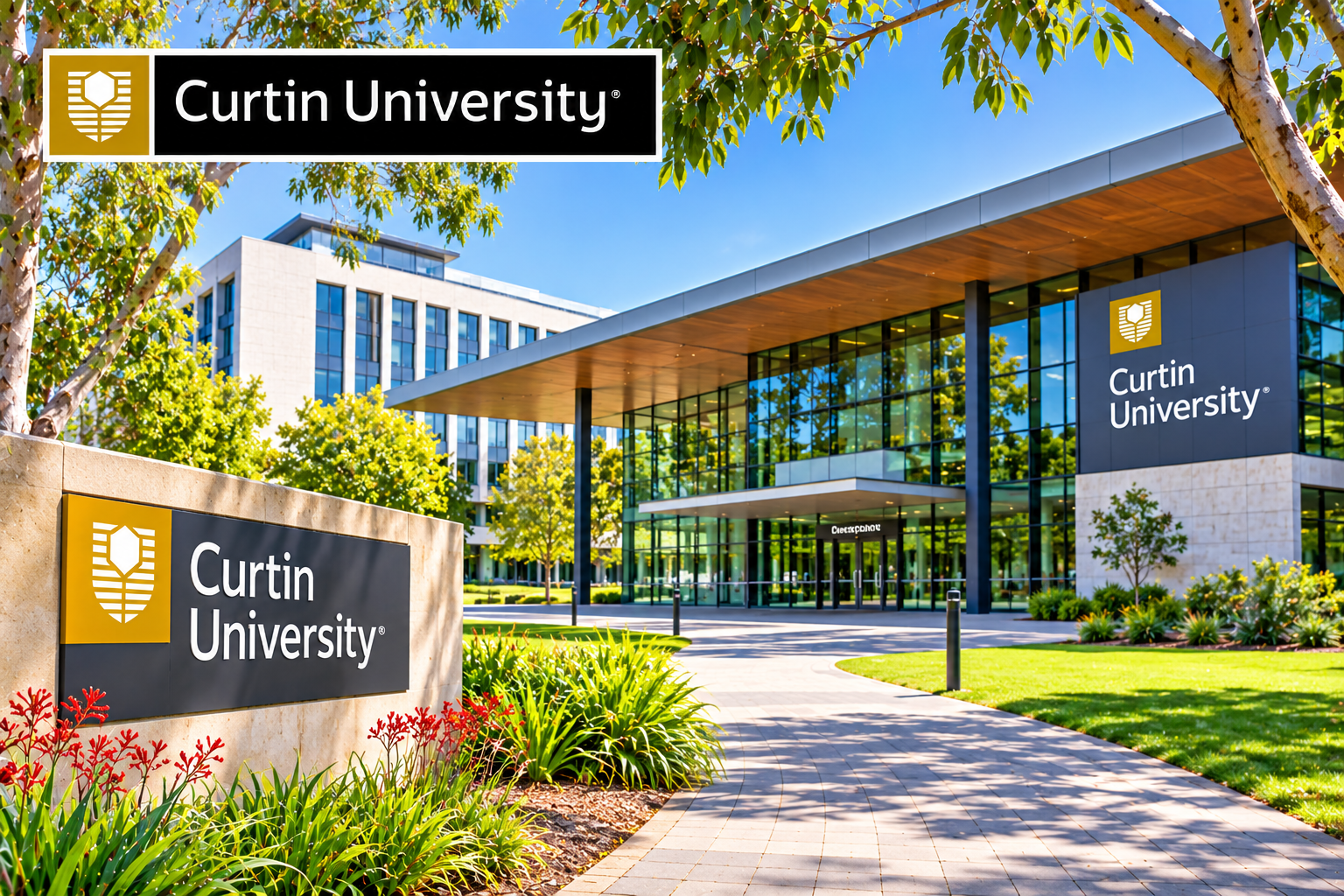
Curtin University
Bachelor of Science (Exercise and Sport Science)
Explore how exercise and physical activity influence health, movement and performance. Develop scientific and practical skills relevant to exercise and sport settings, with graduates eligible to apply for accreditation with Exercise and Sports Science Australia (ESSA).
Course content, entry requirements, placements and professional recognition may change. Exercise scientist accreditation and clinical exercise physiologist accreditation have different requirements; check the pathway relevant to your intended career.
Looking for Other University Options?
These are selected examples. We can help you explore other universities and study pathways based on your qualifications, interests and career goals.
Discuss Your Study OptionsWorking in Singapore
If you plan to work in Singapore’s sport, fitness or exercise sector, compare your chosen programme with the scientific knowledge, practical skills and professional requirements of the roles you hope to pursue.
Qualifications & Employment Requirements
Sports and exercise scientists are not currently among the professions regulated by Singapore’s Allied Health Professions Council (AHPC). Employers assess applicants against the qualifications, experience and competencies required for each position.
When comparing degrees, look for relevant study in exercise physiology, biomechanics, psychology, exercise testing and research methods. Practical projects, placements and experience interpreting performance data can help you demonstrate your ability to apply scientific knowledge.
Singapore’s high-performance sport sector uses expertise in areas such as physiology, biomechanics, strength and conditioning, performance analysis and sport technology. The High Performance Sport Institute (HPSI) brings together these disciplines to support Team Singapore athletes. Specialist positions may require postgraduate study and relevant applied experience.
For fitness, coaching and exercise delivery roles, check whether employers require additional certifications, first aid or CPR training, practical experience or other competencies. Requirements vary according to the activities involved and the people you will work with.
If you study in Australia, check the programme’s accreditation with Exercise and Sports Science Australia (ESSA). Accreditation as an Accredited Exercise Scientist (AES) is different from accreditation as an Accredited Exercise Physiologist (AEP). An exercise science degree alone does not automatically provide the additional clinical education and training required for AEP accreditation.
Overseas course endorsement or professional accreditation can help you assess a programme’s standards, but it does not guarantee employment or establish acceptance by a Singapore employer. Check which qualifications and professional credentials are relevant to your intended role.
A sports and exercise science degree does not by itself qualify you to practise as a physiotherapist or sport psychologist. These careers require separate professional education and training. If your goal involves clinical work, check the specific qualification, registration and scope-of-practice requirements before choosing your course.
Career Opportunities
Sports and exercise science graduates can explore careers supporting physical performance, exercise participation and wellbeing. Opportunities span sports organisations, fitness providers, community programmes, research and technology, depending on your course content, practical experience and any additional qualifications.
Sport Science & Athlete Support
Help athletes and coaches understand physical performance through exercise testing, training monitoring and scientific analysis. Apply knowledge of physiology and biomechanics to inform preparation and recovery. Specialist roles in high-performance sport may require postgraduate study and substantial applied experience.
Strength & Conditioning
Support the development of strength, power, speed and endurance through structured training programmes. Assess physical capabilities, monitor progress and adapt sessions to sporting demands and individual goals. Employers may require recognised coaching certifications and practical experience.
Exercise & Fitness Services
Help people improve fitness and develop sustainable exercise habits through appropriate assessments and exercise programmes. Opportunities may include fitness centres, personal training and workplace wellbeing services, subject to the certifications, safety training and competencies required for each role.
Community Physical Activity & Wellbeing
Support programmes that encourage people of different ages and abilities to become more active. Help plan activities, understand barriers to participation and evaluate programme outcomes in community, workplace or older adult settings, working within your training and referring participants when appropriate.
Performance Analysis & Sport Technology
Use video, movement measurements and performance data to help coaches and athletes evaluate training and competition. Depending on your technical skills, explore roles involving wearable devices, athlete monitoring systems and the communication of findings that inform sporting decisions.
Research & Further Study
Contribute to research on human movement, exercise responses, physical activity and performance. Develop skills in collecting data, conducting experiments and interpreting results. Further study can support specialisation in areas such as exercise physiology, biomechanics or sport psychology, with separate professional training requirements where applicable.
These are examples of career directions rather than guaranteed outcomes. Some roles require additional certifications, experience or postgraduate study. A sports and exercise science degree does not by itself qualify a graduate as a physiotherapist, sport psychologist or Accredited Exercise Physiologist.
Let’s plan your next step
Tell us about your qualifications and sports & exercise science study goals.
Enquire about studying sports and exercise science →
Entry requirements and available pathways vary by institution and course.